Key Takeaways
- Saint Laurent bags are often positioned at a price point that aligns with many travelers’ budgets, which is reflected in their frequent appearance in our coverage.
- Hermès generally targets a higher‑spending segment, reflecting a classic ultra‑luxury positioning.
- Saint Laurent typically has a faster sell‑through rate, which can allow hotels to refresh displays each season and potentially reduce capital tied up in inventory.
- Hermès’ higher per‑unit margins are often noted, while its slower turnover may require more careful forecasting.
- Properties that rotate collections quarterly may find Saint Laurent’s supply chain more adaptable compared with Hermès’ more limited availability.
- A lower price point can lead to higher volume, while a higher price point may increase average transaction value; the appropriate lever depends on the property’s revenue model.
Quick Summary
We often feature Saint Laurent bags in editorial stories because they tend to align with typical traveler spending patterns. Hermès is positioned at a higher price tier, appealing to guests for whom price is less of a primary consideration.
Break the decision into three practical lenses: price point, inventory turnover, and brand perception.
| Consideration | Saint Laurent (YSL) | Hermès |
|---|---|---|
| Price range | Mid‑range luxury | High‑end luxury |
| Typical turnover speed | Faster sell‑through | Slower sell‑through |
| Brand prestige | Strong, contemporary appeal | Iconic, ultra‑prestige |
| Supply‑chain flexibility | Generally more adaptable | Often more limited |
Saint Laurent may have a higher sell‑through rate, allowing boutiques to refresh displays without parking capital in inventory. Hermès is noted for a higher per‑unit margin, while its slower turnover could require tighter forecasting. Hotels that rotate collections quarterly may find the Saint Laurent model reduces logistical friction while still delivering a luxury signal.
Which brand supports boutique revenue goals?
Both can. The optimal choice depends on your strategy. A lower price point can generate higher volume; a higher price point may lift average transaction value. Align your selection with your target guest profile and inventory capabilities.
Operational considerations for hotels
- Hermès may move fewer units per quarter, which could require tighter inventory planning and additional storage space.
- Saint Laurent may suit properties that can accommodate faster‑moving inventory and prefer more frequent product refreshes.
- Matching stocking schedules with peak guest‑arrival periods, such as weekends or holidays, can help maximize impact.
For additional insight, see our recent feature on fashion‑focused hospitality strategy.
Why luxury brands matter in guest boutiques
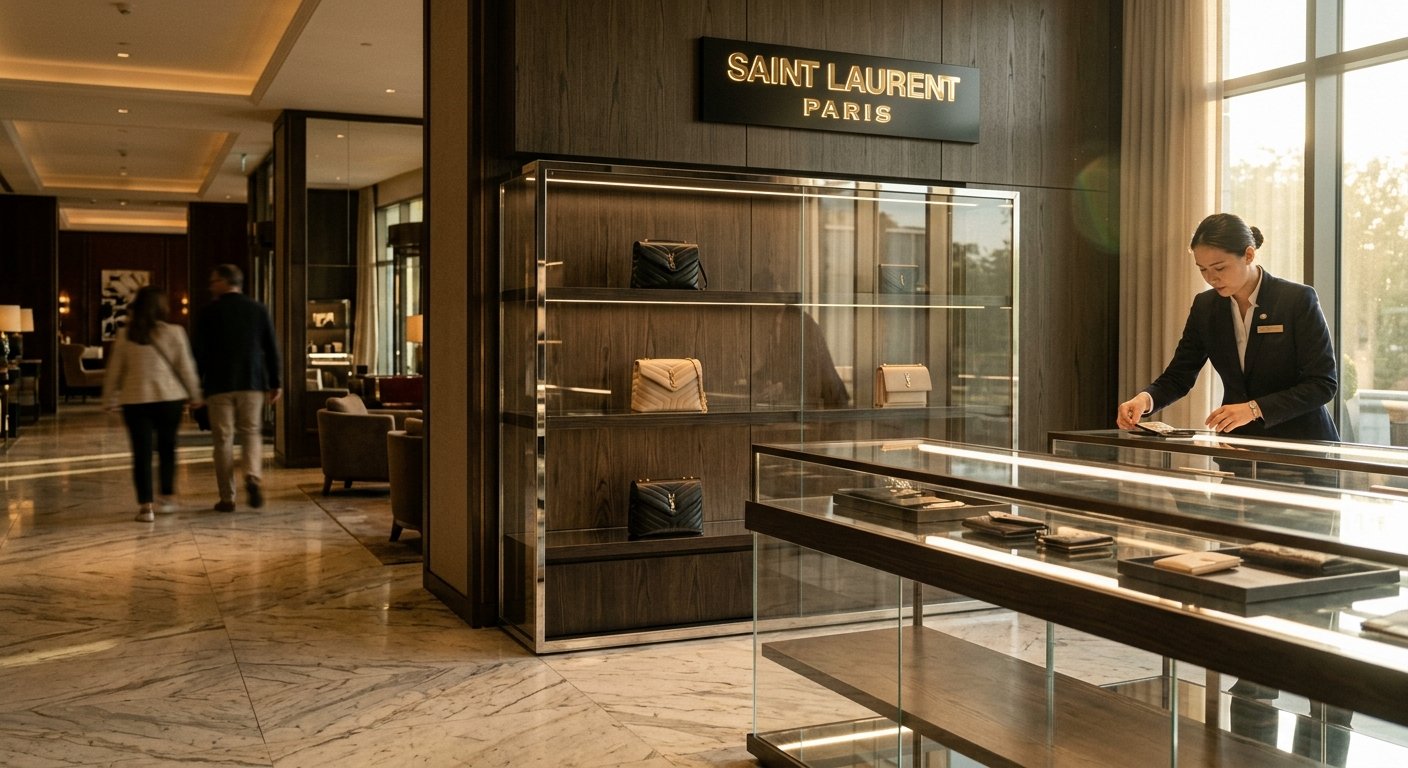
A designer bag on a nightstand can signal a curated experience. In our coverage, the right premium touch can raise the perceived value of a room and may encourage guests to explore other offerings such as spa packages or fine‑dining reservations.
Luxury labels can serve as social proof that a hotel pays attention to detail. Featuring a luxury brand in our stories can amplify the existing narrative, potentially reducing the need for hotels to recreate messaging from scratch.
What challenges do they solve for hoteliers?
Luxury partnerships address several pain points:
- Differentiation — In crowded city centers, a recognized luxury brand may help a property stand out from chain‑standard rooms.
- Credibility — Editorial features and PR placements can provide third‑party validation, which may reduce perceived risk of over‑promising.
- Guest engagement — Highlighting premium touches in media stories can create memorable moments that may encourage repeat bookings and word‑of‑mouth referrals.
| Feature | Industry Idols (media & PR service) | DIY Procurement |
|---|---|---|
| Editorial exposure | Professional editorial features in a trusted media platform | Self‑produced press releases or ad‑hoc outreach |
| Strategic PR | Coordinated PR campaigns that align with brand storytelling | Independent PR efforts without integrated strategy |
| Business directory listing | Inclusion in Industry Idols’ curated directory of industry leaders | Manual outreach to multiple directories |
| Tailored visibility | Customized visibility plans based on client goals | Generic, one‑size‑fits‑all approach |
We coordinate creation, placement, and promotion of editorial features, allowing hotels to concentrate on personalized guest service rather than managing contracts, logistics, or performance analytics themselves.
Boutique‑scale properties with discerning clientele who value authenticity over mass‑market amenities may benefit most. For these properties, a strategically featured luxury brand can turn a regular stay into a signature experience, driving both immediate revenue and long‑term brand equity.
Affluent guest demographics and brand fit
Affluent guests in boutique hotels often include high‑spending millennials and Gen‑X professionals who seek contemporary luxury and social cachet. These travelers may book suites for business trips, city getaways, or special events, and often expect each touchpoint to feel curated. A contemporary designer accessory displayed in‑room can signal a modern, aspirational vibe that may resonate with this cohort.
Our editorial coverage sometimes highlights how YSL’s bold, edgy narrative may resonate with guests seeking contemporary luxury, while Hermès’ timeless heritage may appeal to those valuing classic status.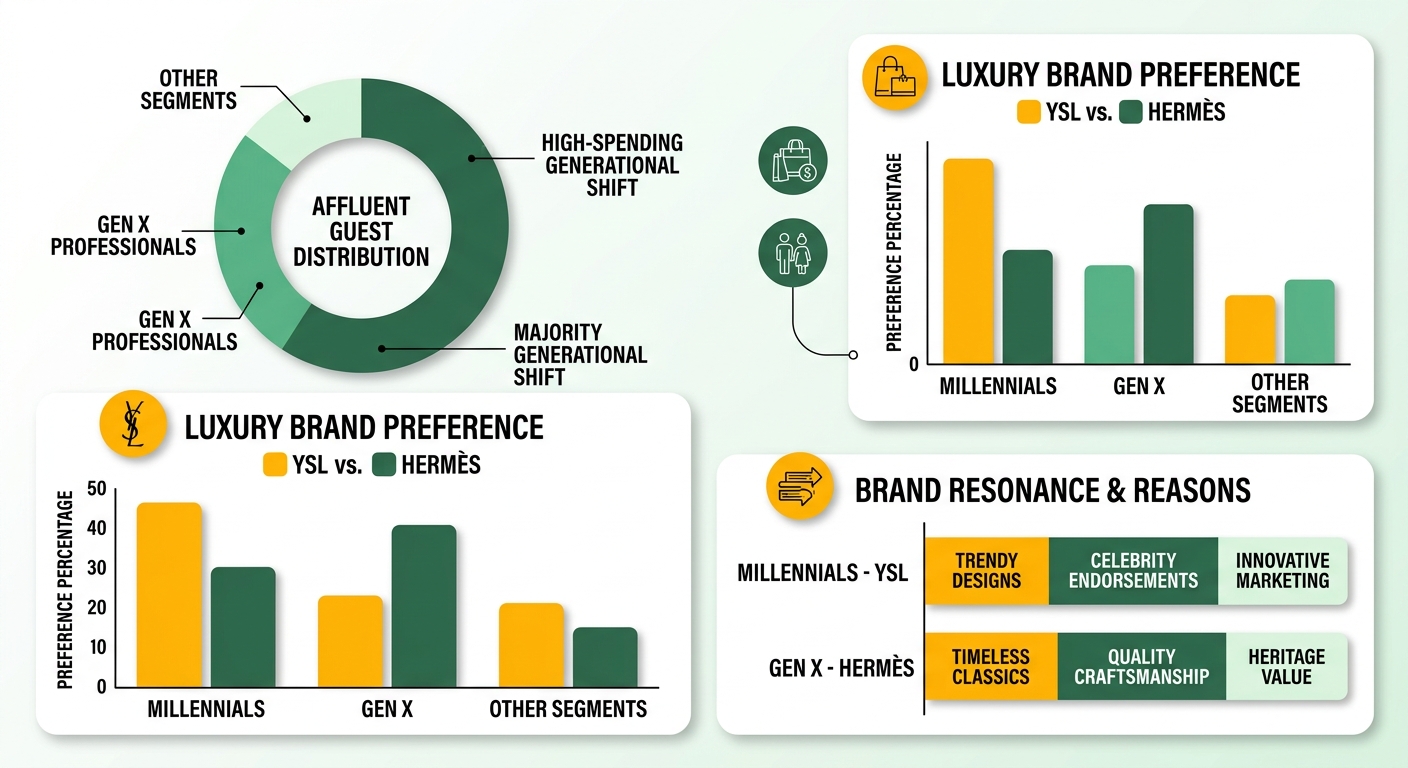
What guest traits make a YSL bag a natural fit?
Affluent millennials and Gen‑Xers often prioritize authenticity, trend relevance, and shareable moments. They may post boutique interiors on social platforms, and a recognizable YSL silhouette could boost organic reach.
| Brand | Core Value | Guest Psychographic Match | Typical Turnover |
|---|---|---|---|
| YSL | Contemporary edge | Trend‑savvy, social‑shareable | Fast |
| Hermès | Heritage luxury | Status‑driven, timeless | Slower |
How editorial storytelling connects with affluent travelers
Modern luxury consumers often rely on digital media and curated guides to discover destinations. By aligning a hotel’s physical offerings with digital narratives, properties may capture the attention of these travelers before they even check‑in. Sharing compelling narratives that reflect the aspirational identity of the target market can help hotels enhance perceived value without adding operational complexity.
Retail storytelling and atmosphere
Creating an immersive retail environment often involves turning a hotel lobby or event space into a narrative‑driven showcase. A flagship product can become a focal point of a guest’s experience, reinforced through spatial design rather than conventional retail tactics.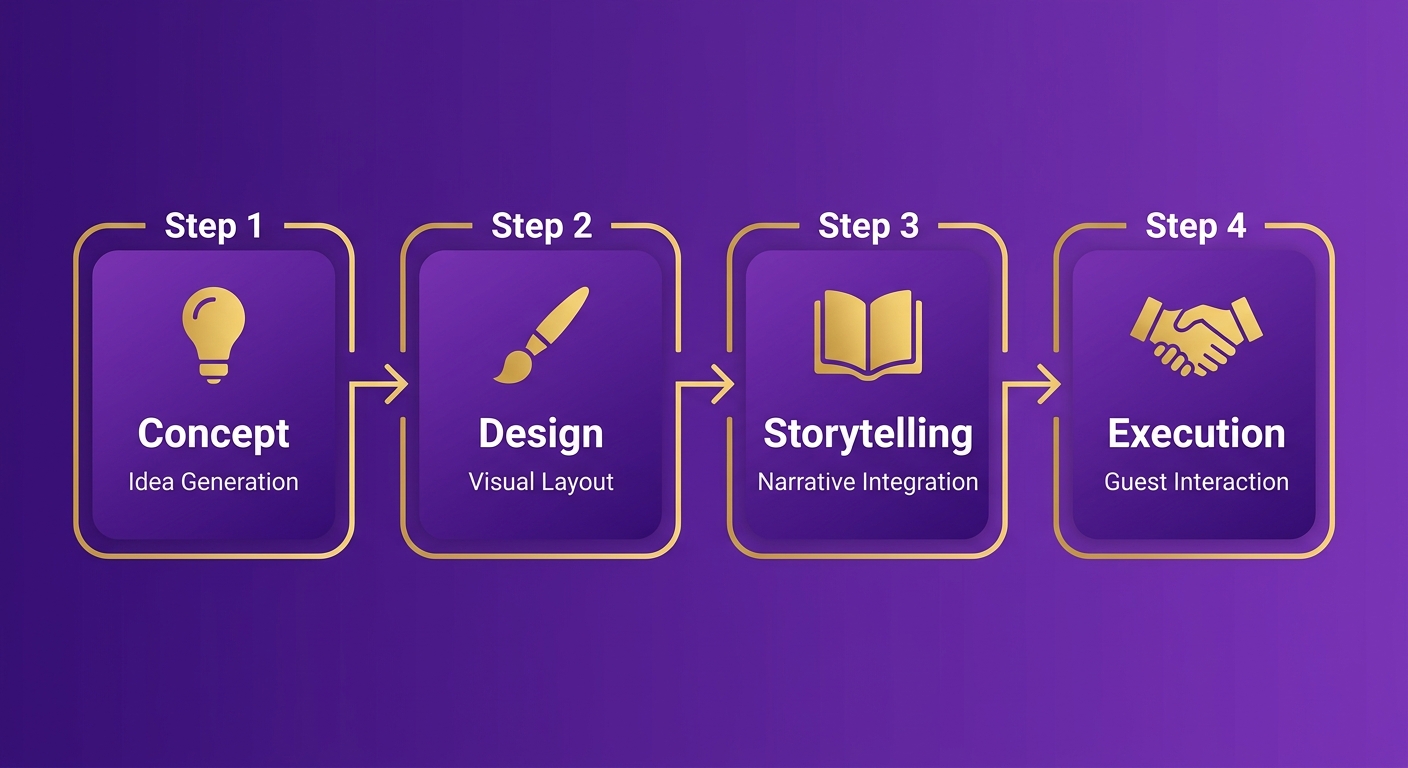
The foundation of an effective showcase often includes story‑driven design and sensory cohesion. We work with clients to translate a brand’s narrative into spatial cues, entry points, highlight zones, and shareable backdrops, while aligning lighting, scent, and tactile details with the label’s heritage. When the environment feels authentic, guests may linger and generate organic social buzz.
Blending physical space with editorial content
To extend the reach of a physical showcase, properties can leverage multi‑channel storytelling:
- Feature articles that spotlight the pop‑up’s concept and the featured product.
- Press releases to targeted media outlets in hospitality, fashion, and lifestyle.
- Highlighting the event in the Business Directory, connecting it with a network of industry leaders and potential collaborators.
These editorial touchpoints extend the physical experience into the digital area, encouraging guests to share and explore the story beyond the venue.
Which platform delivers the most complete storytelling toolkit?
| Feature | Industry Idols | Competitor A | Competitor B |
|---|---|---|---|
| Editorial coverage | ✔️ | ✔️ (limited) | ❌ |
| Strategic PR support | ✔️ | ❌ | ✔️ (basic) |
| Business directory listing | ✔️ | ❌ | ✔️ |
| Tailored visibility planning | ✔️ | ❌ | ❌ |
| Audience‑engagement consulting | ✔️ | ✔️ (self‑serve) | ❌ |
We’re frequently selected by hospitality brands that want a narrative‑first approach, ensuring the pop‑up aligns with broader brand storytelling goals.
Visibility integration tips
- Pre‑event teaser: A short editorial preview can tease the upcoming showcase and invite media coverage.
- Live‑day amplification: Coordinating real‑time social‑media posts that echo the editorial angle, using branded hashtags and behind‑the‑scenes photos, can extend visibility.
- Post‑event follow‑up: Publishing a recap article that highlights guest reactions and links back to the brand’s website can extend the shelf‑life of the pop‑up’s impact.
By grounding the retail moment in trusted editorial storytelling, the experience can feel like a natural extension of the hotel’s own brand narrative, turning each product display into a shareable moment.
Pricing strategy and guest perceived value
When creating a story for a boutique item, we often start with the guest’s perceived value rather than the wholesale invoice. A high‑end accessory displayed prominently in a suite can signal a premium experience, and the editorial narrative can reinforce that story while resonating with the property’s target audience. Anchoring the feature to the emotional payoff and aligning it with the brand’s heritage may generate stronger engagement than a simple product mention.
Our approach blends value‑based storytelling with audience insights, allowing us to shape the narrative as guest preferences evolve. During the initial consultation, our editorial team typically reviews the brand’s positioning, recent guest feedback, and seasonal trends to determine a compelling angle for the feature.
How do we determine the optimal story for a luxury accessory?
We often consider three key data points: guest interest patterns, brand cachet, and seasonal relevance.
- First, we may segment audiences by typical engagement with luxury content and match them to the brand’s prestige tier — YSL sits in the contemporary‑luxury bracket, which may call for a sophisticated yet accessible tone.
- Second, we may pilot the story with a small audience segment; if engagement remains steady after a modest tweak to the headline, we may lock in that approach.
- Finally, we may layer seasonal relevance during peak travel weeks, ensuring the feature reflects heightened demand while considering price‑sensitive travelers.
Our experience suggests that a clear, audience‑driven editorial plan can reduce guesswork and may lead to higher visibility for the featured item. The editorial calendar also flags stories that have lingered beyond a typical news cycle, prompting a timely refresh or a fresh angle.
When should a boutique skip aggressive promotion of high‑profile items?
We may avoid heavy‑handed promotion when the brand’s aspirational pull is the main driver of guest satisfaction. If guest feedback highlights in‑room luxury items as key elements of surprise and delight, over‑promoting them could dilute perceived exclusivity and dampen organic buzz. In such cases, we recommend adding value‑adds, such as a complimentary concierge session or a behind‑the‑scenes interview, rather than pushing the story aggressively.
| Aspect | Industry Idols Editorial Coverage | Standard Press Release | Paid Advertising |
|---|---|---|---|
| Story flexibility | High (tailored narratives) | Low (generic format) | Medium (controlled messaging) |
| Guest perceived value | Preserves premium image | Often generic | Can feel overtly commercial |
| Implementation effort | Collaborative workshops | Minimal effort | Requires creative production |
| Engagement speed | Fast, audience‑driven | Variable | Dependent on spend |
By applying this structured editorial approach, we help boutique hotels keep luxury items both desirable and aligned with the brand’s story, turning a single accessory into a memorable touchpoint for guests.
Collaboration opportunities for hotels
Successful collaborations may allow hotels to leverage the brand equity of established luxury houses. By integrating these brands into the guest journey, properties can reach targeted audiences in the lifestyle and travel sectors.
Our service focuses on aligning a hotel’s unique story with the interests of our readership. Through tailored editorial coverage and PR outreach, hotels can showcase their design, guest experiences, and brand values without the need for complex inventory or on‑site styling logistics.
What collaboration models do hotels typically consider?
Hotels often explore three main approaches:
- Co‑branding — sharing branding assets and joint marketing materials.
- Revenue‑share — linking a portion of sales or bookings to the partnership.
- Exclusive curation — offering a distinctive guest experience through featured placements in our editorial content and directory.
| Feature | Industry Idols | PartnerCo | LuxeMatch |
|---|---|---|---|
| Editorial coverage | Professional feature stories and interviews | Limited press releases | Social‑only posts |
| PR services | Strategic press outreach and media placement | Quarterly reports | Basic media kit |
| Business directory | Listing with detailed profile and contact info | Fixed‑fee listings | Basic directory entry |
| Tailored visibility | Customized audience targeting based on client goals | Standard advertising packages | Generic listings |
Co‑branding may work well for hotels that already host events or have a strong brand presence, while exclusive curation can give boutique properties a signature narrative that stands out in our editorial lineup. Revenue‑share arrangements may be suited to hotels with high turnover on ancillary services.
How we streamline hotel collaborations
Managing these partnerships typically includes:
- Consultation — discussing the hotel’s goals and identifying key story elements.
- Content development — drafting feature articles, interview questions, and visual assets.
- Approval & scheduling — hotel reviews and approves the content, after which a publication timeline is set.
- Distribution — the story is published and promoted to our audience of entrepreneurs, marketers, and hospitality professionals.
By handling the editorial and PR components, we allow hotels to focus on delivering exceptional guest experiences while we manage the visibility and storytelling aspects.
Saint Laurent vs Hermès: a comparative analysis
Selecting the right brand can shape the guest’s perception of the property. The decision can be viewed through three practical lenses: brand values, target‑audience nuance, and the way each house markets its accessories within a boutique setting.
What core brand values differentiate Saint Laurent and Hermès?
Both houses articulate clear missions, but they sit on opposite ends of the luxury spectrum. Saint Laurent positions itself as rebellious modernity, celebrating bold silhouettes and a youthful spirit — a narrative that can resonate with guests who view travel as a runway. Hermès lives by craftsmanship and timeless elegance, emphasizing artisanal heritage and understated luxury that may attract connoisseurs seeking legacy pieces.
Industry coverage sometimes highlights Saint Laurent’s value proposition as suited to vibrant visual merchandising, while Hermès is described as thriving in curated, low‑key displays that let the product speak for itself.
How do their marketing strategies affect boutique placement?
Saint Laurent uses high‑impact collaborations, limited‑edition drops, and social‑media‑driven teasers to create urgency. Hermès adopts a slow‑burn approach, focusing on heritage storytelling, exclusive client events, and selective press coverage that reinforces scarcity without overt hype. These approaches suggest that Saint Laurent may align well with properties that thrive on rapid refresh cycles and aim to capture “shareable” moments, while Hermès may suit hotels that position themselves as timeless sanctuaries and can accommodate longer inventory cycles.
| Feature | Saint Laurent (YSL) | Hermès |
|---|---|---|
| Brand values | Rebellious modernity, trend‑forward | Craftsmanship, timeless elegance |
| Primary audience | Trend‑seeking Millennials & Gen‑X | Heritage‑focused affluent travelers |
| Marketing style | Limited‑edition drops, social‑media hype | Heritage storytelling, exclusive events |
| Typical turnover speed | Fast, driven by buzz | Slow, driven by scarcity |
| Ideal boutique fit | High‑energy, shareable spaces | Calm, curated luxury environments |
When the label’s intrinsic story aligns with the hotel’s guest profile, the chosen bag can become more than décor — it can serve as a conversation starter that reinforces the property’s brand narrative.
Considerations for luxury hotels when selecting guestroom accessories
Boutique hotels often seek accessories that reinforce their brand story and resonate with guests. By partnering with us, hotels can use professional editorial coverage and strategic PR to highlight an accessory’s design heritage and its connection to the property’s local vibe.
Our editorial team can create narratives that tie an accessory’s aesthetic to the hotel’s overall experience, while our PR services help share that story across travel and lifestyle media. This approach supports hotels that aim for a fresh, aspirational look without the logistical challenges of high‑priced inventory.
How we turn an accessory into a guest magnet
An effective guestroom accessory strategy turns a physical item into a memorable touchpoint. This is achieved by linking the piece’s design heritage to the hotel’s unique atmosphere, supported by subtle marketing and on‑site placement. Our approach blends three active levers: editorial placement, PR amplification, and curated retail styling. Editorial features appear in the Industry Idols luxury‑lifestyle feed and are shared with our network of travel and lifestyle outlets; the PR push helps secure coverage in relevant publications; and the styling guide ensures the accessory is displayed where guests naturally pause for a photo. We also provide performance insights based on engagement metrics to help hotels understand guest interaction.
What results have hotels seen with this model?
Hotels that have incorporated our editorial and PR support have reported heightened guest interest and increased conversation on social platforms. By showcasing thoughtfully curated accessories, properties have observed stronger brand perception and more frequent guest sharing of their experiences. Looking ahead, guest‑centric micro‑curations are expected to play a larger role in luxury hospitality. Brands that enable quick swaps of high‑impact items, supported by data‑driven storytelling, may stay ahead of evolving guest expectations.
| Feature | Industry Idols Service | Typical In‑house Approach |
|---|---|---|
| Story creation | Dedicated editorial team builds brand‑aligned narratives | Marketing staff juggle multiple tasks, limited depth |
| Media reach | Integrated PR pushes to travel and lifestyle outlets | Relies on owned channels only |
| Guest analytics | Engagement insights from editorial and PR performance | Basic sales reports, no engagement metrics |
| Refresh cycle | Quarterly style swaps driven by trend data | Ad‑hoc updates, often delayed |
Future trends: digital integration and experiential retail
The intersection of physical retail and digital media is redefining the guest experience. Showcasing premium accessories now extends beyond the boutique walls into digital spaces where travelers seek inspiration.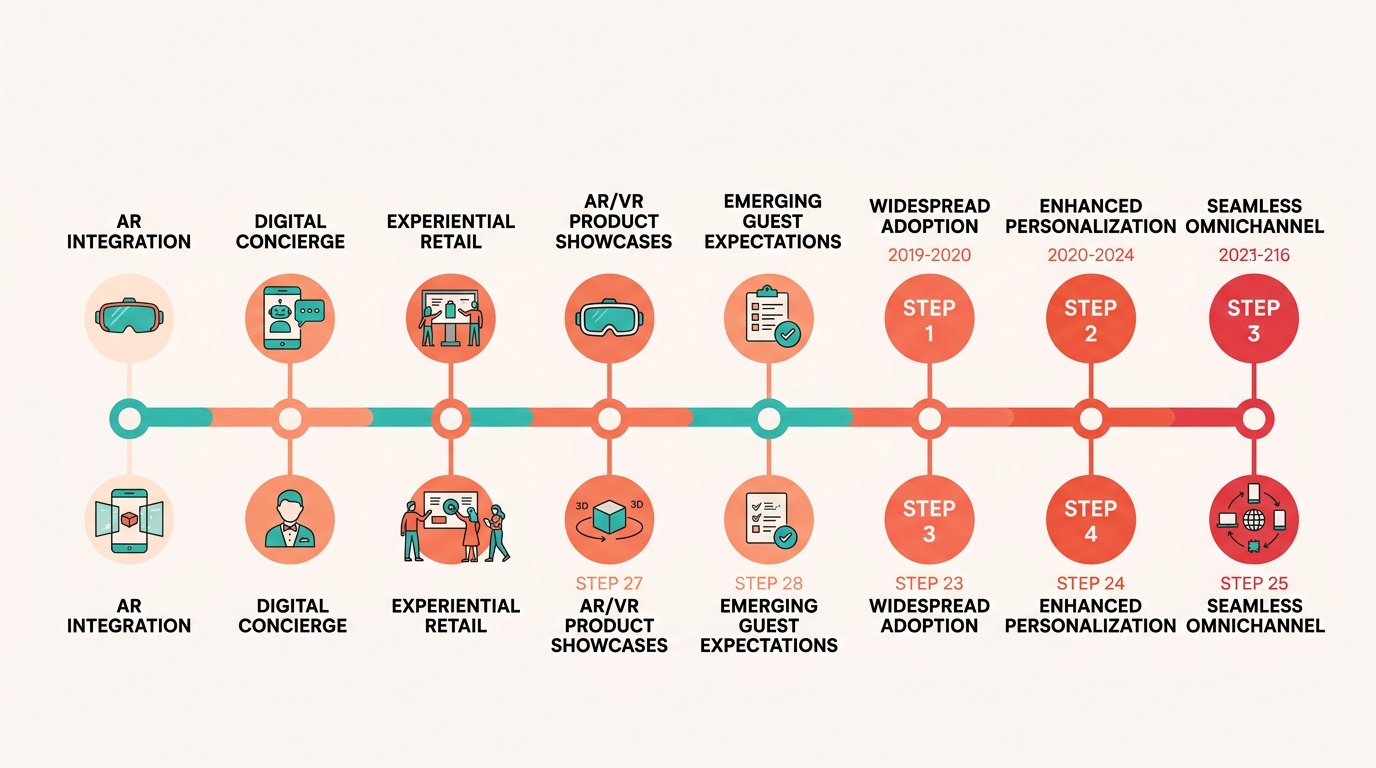
Integrating digital touchpoints allows hotels to highlight product details and craftsmanship seamlessly. This can include digital catalogs, virtual styling sessions, or curated online content linked to the guest’s stay. Learn more about our workflow on our services page.
How does editorial storytelling support boutique sales?
Our editorial pieces can generate interest that may inform inventory decisions. When a product is featured in a story, the resulting readership metrics give hotels insight into which styles resonate most with their audience, helping them align stock with demand. Beyond data, a well‑crafted narrative can turn a purchase into an experience. Guests who read about a bag’s craftsmanship and brand history may feel a personal connection to the item, which can translate into higher satisfaction and repeat visits.
| Feature | Industry Idols Platform | In‑house PR Team | Third‑party Marketing Channel |
|---|---|---|---|
| Editorial feature | ✅ Dedicated article or interview | ❌ Limited to press releases | ✅ Sponsored content |
| Strategic PR placement | ✅ Targeted outreach to luxury media | ❌ Manual distribution | ✅ Broad distribution |
| Business directory listing | ✅ Indexed in industry‑specific directory | ❌ Not listed | ✅ General listings |
| Tailored visibility campaign | ✅ Customized storytelling plan | ❌ One‑size‑fits‑all | ✅ Standard templates |
Looking ahead, AI‑driven audience insights could further personalize editorial content, suggesting which products to highlight for specific traveler segments. As technology evolves, boutique hotels may move from static displays to dynamic, story‑focused showcases that feel both exclusive and effortlessly modern.
Our recommendation: start with a pilot editorial feature in a flagship location, track readership engagement and guest inquiries, then expand the approach across the portfolio based on those insights.
References
Frequently Asked Questions
1. How should a hotel choose between focusing on sales volume or average transaction value when selecting YSL or Hermès?
Prioritizing volume may involve selecting Saint Laurent, which is positioned at a mid‑range price and often experiences faster sell‑through, potentially allowing hotels to move more units each quarter. Targeting a higher average transaction value may involve Hermès, which is positioned at a premium price and can generate larger spend per guest, though typically fewer pieces are sold.
2. What logistical benefits does Saint Laurent provide for hotels that rotate boutique collections every quarter?
Saint Laurent’s supply chain can be adaptable, allowing hotels to replenish stock on a quarterly basis without large capital ties. Faster turnover may reduce the need for long‑term warehousing, and the brand’s frequent drops can align with seasonal décor updates, potentially simplifying logistics compared with Hermès, whose limited releases may require tighter forecasting and longer storage periods.
3. In what way does Industry Idols editorial coverage enhance guest perception beyond the physical luxury item?
Industry Idols editorial placement can turn a luxury bag into a storytelling asset, signaling curated attention that guests may associate with high‑touch service. The third‑party endorsement may amplify perceived value, prompting social sharing and potentially increasing willingness to explore other premium hotel offerings, such as spa or dining packages.
4. Which brand is more appropriate for a boutique hotel with limited back‑of‑house storage space?
For properties with limited back‑of‑house space, Saint Laurent may be more suitable because its faster turnover can result in fewer units sitting idle, potentially freeing space for other amenities. Hermès’ slower sell‑through may require larger reserves to avoid stockouts, which could strain limited storage capacities.
5. Can a hotel feature both Saint Laurent and Hermès in the same boutique without hurting sales of either brand?
Combining Saint Laurent and Hermès can work if the boutique zones are clearly differentiated—YSL in high‑energy, share‑worthy spots and Hermès in quieter, heritage‑focused displays. This may avoid cannibalization by matching each brand to guest moods, while the dual presence could broaden appeal across trend‑seeking and status‑driven travelers.
6. How does the target guest demographic influence the decision between YSL’s contemporary edge and Hermès’s heritage luxury?
Younger, trend‑focused guests who value social‑media‑ready moments may gravitate toward Saint Laurent’s bold, contemporary aesthetic, making YSL bags a natural fit for social‑media‑driven marketing. Conversely, older affluent travelers who prioritize timeless prestige may respond better to Hermès, whose heritage narrative aligns with status‑focused purchasing behavior.