How Luxury, Architecture and Nightlife Are Redefining Miami’s Urban Lifestyle
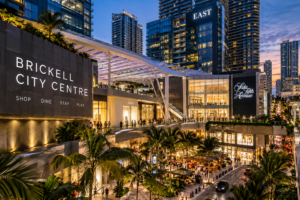
More than a shopping destination, Brickell City Centre has become a symbol of Miami’s evolution into an international hub for business, fashion, dining and modern urban living.
By Industry Idols Editorial Team
Miami has never been a city that stands still.
From the transformation of Wynwood into an international arts destination to the evolution of the Design District into a global luxury shopping destination, the city continues to reinvent the way people live, work and experience culture.
But few neighborhoods illustrate that transformation quite like Brickell.
Once known primarily as Miami’s financial district, Brickell has evolved into one of the city’s most recognizable lifestyle destinations, bringing together luxury residential towers, international businesses, acclaimed restaurants, rooftop lounges and world-class shopping.
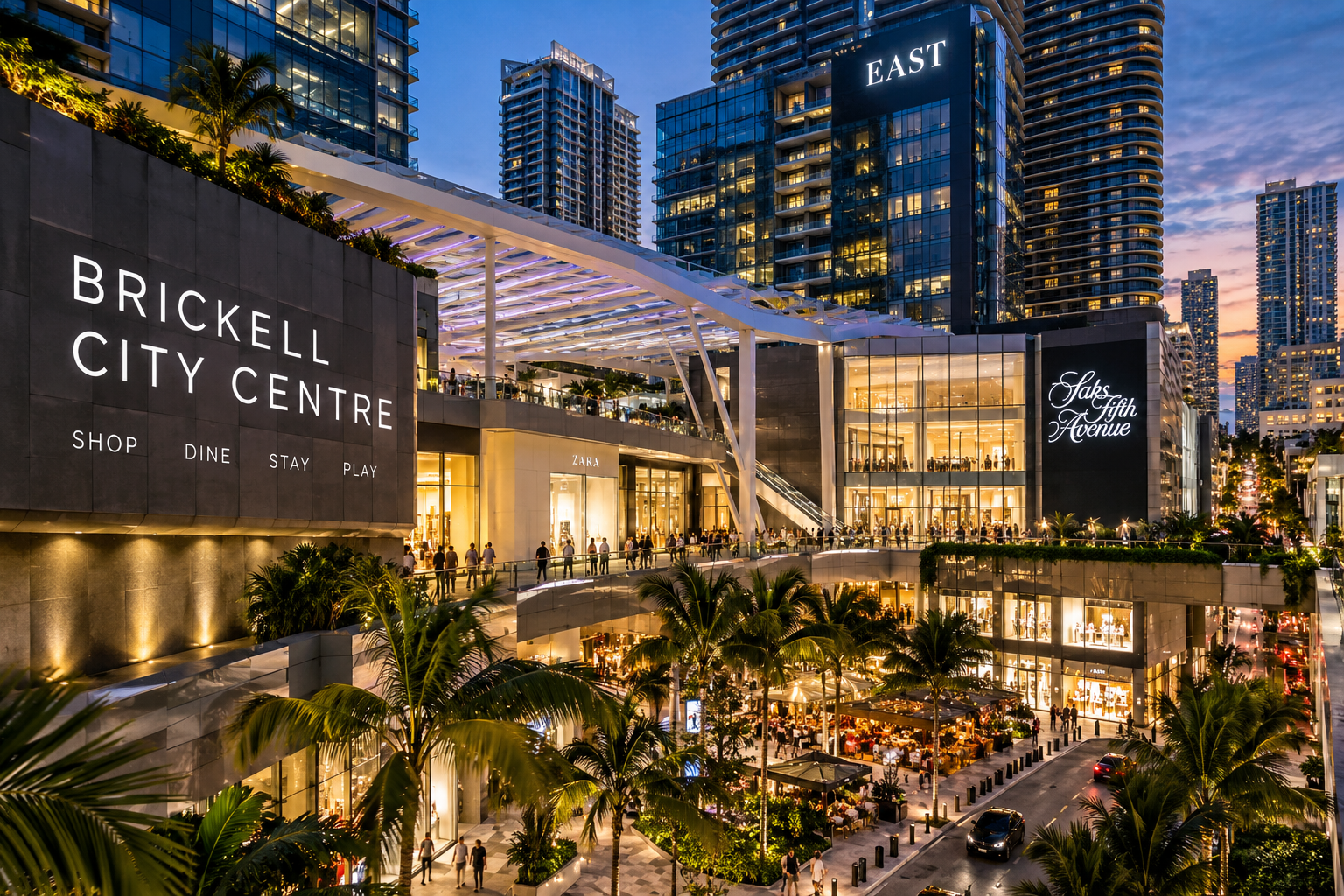
At the center of that evolution stands Brickell City Centre, a development that represents far more than another shopping mall.
It has helped redefine what urban living looks like in Miami.
A New Identity for Miami’s Financial District
For decades, Brickell was largely associated with banking, corporate offices and the professionals who worked inside its high-rise buildings.
The neighborhood’s identity revolved around business.
Today, that identity has expanded dramatically.
Luxury condominiums rise alongside international hotels. Restaurants attract diners from across South Florida. Rooftop lounges overlook Biscayne Bay, while fashion boutiques and cultural destinations bring new energy to the streets below.
Brickell City Centre has become one of the most visible expressions of this shift.
Developed by Swire Properties, the ambitious mixed-use project opened its retail component in 2016, introducing a new approach to shopping, hospitality and urban design.
The broader development encompasses millions of square feet of retail, residential, office and hospitality space, integrating multiple city blocks into a connected environment.
Rather than functioning as an isolated shopping center, the project was designed to become part of the neighborhood itself.
The concept was simple but ambitious: create a destination where shopping, dining, business, hospitality and everyday life could intersect.
Nearly a decade after its retail debut, Brickell City Centre continues to demonstrate the appeal of that vision.
Where Architecture Becomes Part of the Experience
One of Brickell City Centre’s most distinctive features is its architecture.
Designed with an emphasis on openness, connectivity and modern urban living, the development creates a shopping experience that feels noticeably different from a conventional enclosed mall.
Its signature architectural feature, the Climate Ribbon, stretches above the open-air walkways.
The innovative canopy provides shade, helps manage rainwater and uses natural airflow to improve comfort throughout the property.
The result is a multi-level environment that connects visitors to the surrounding city while offering relief from Miami’s tropical climate.
For architecture enthusiasts, the design itself is reason enough to visit.
Walkways frame views of Brickell’s skyline. Glass storefronts reflect neighboring towers, while open spaces allow natural light to move through the complex.
The surrounding residential and hotel buildings create a sense of vertical urban density that has become synonymous with modern Brickell.
It is an environment intentionally designed to encourage movement, exploration and interaction.
At Brickell City Centre, architecture is not simply the backdrop. It helps define the experience.
Luxury Retail Meets Miami’s International Identity
Miami’s rise as a global destination has transformed its luxury retail landscape.
The city now attracts international visitors, affluent residents, entrepreneurs and fashion-conscious consumers who expect access to internationally recognized brands.
Brickell City Centre brings that market together in one location.
With more than 100 stores and restaurants, the development offers a combination of luxury fashion, contemporary clothing, beauty, accessories, lifestyle brands and dining.
Saks Fifth Avenue serves as one of its major retail anchors, while brands such as Rolex, Richard Mille, AllSaints, ALO, Zara, Apple and Sephora contribute to the broader shopping experience.
The variety reflects Brickell’s increasingly diverse audience.
A corporate executive shopping between meetings, a visiting international traveler exploring Miami, and a local resident spending an afternoon in the neighborhood can all find reasons to visit.
That flexibility is important.
Luxury retail today is not simply about selling expensive merchandise.
It is also about creating environments that communicate a lifestyle.
For brands, Brickell City Centre provides access to a neighborhood associated with finance, international business, premium real estate and contemporary urban culture.
For visitors, it offers a concentrated introduction to Miami’s evolving retail identity.
Dining Has Become a Major Part of the Destination
Shopping may bring visitors into Brickell City Centre, but its restaurants help encourage them to stay.
Dining plays an important role in the property’s appeal, offering everything from casual afternoon meals to elaborate dinners and social gatherings.
Casa Tua Cucina brings an Italian-inspired dining experience to the development, combining the atmosphere of a marketplace with multiple culinary offerings.
Marabú introduces Cuban cuisine, creating a connection to Miami’s cultural heritage.
Pubbelly Sushi appeals to diners seeking contemporary Japanese-inspired dishes, while Tacology offers a lively approach to Mexican food.
Motek and Café Americano add further variety to the mix.
Together, these restaurants demonstrate how food has become central to modern retail environments.
A shopping destination is no longer judged exclusively by its stores.
Visitors increasingly want places where they can meet friends, entertain clients, celebrate occasions and enjoy memorable experiences.
Brickell City Centre’s restaurant selection supports that demand.
The development can accommodate an afternoon coffee, a business lunch, a date night or dinner before an evening exploring the neighborhood.
Food has become one of the strongest connections between Miami’s business culture and its social life.
EAST Miami and the Rise of Lifestyle Hospitality
Another important part of Brickell City Centre’s identity is EAST Miami.
The contemporary hotel connects hospitality with the surrounding shopping, dining and business environment.
For visitors, that integration creates convenience.
Guests can access restaurants, retail experiences and nearby business destinations without depending on a car for every activity.
But the hotel’s influence goes beyond convenience.
EAST Miami has contributed to Brickell’s reputation as a destination where hospitality and lifestyle intersect.
Its contemporary design, dining experiences and social spaces appeal to travelers looking for something different from Miami’s traditional beachfront resorts.
One of its most recognizable attractions is Sugar, the hotel’s rooftop bar overlooking the city from the 40th floor.
With panoramic views of Biscayne Bay and Miami’s skyline, Sugar represents another dimension of Brickell’s hospitality scene.
The appeal is not centered on beaches or resort-style isolation.
It is centered on being part of the city.
That distinction has become increasingly important as Miami develops multiple identities for different types of travelers.
South Beach offers oceanfront energy.
Wynwood delivers art and creative culture.
The Design District emphasizes fashion and design.
And Brickell offers a combination of business, luxury, dining and elevated urban experiences.
How Brickell Became One of Miami’s Nightlife Destinations
When people think about Miami nightlife, South Beach often comes to mind first.
But Brickell has developed an identity of its own.
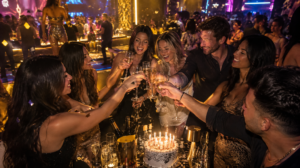
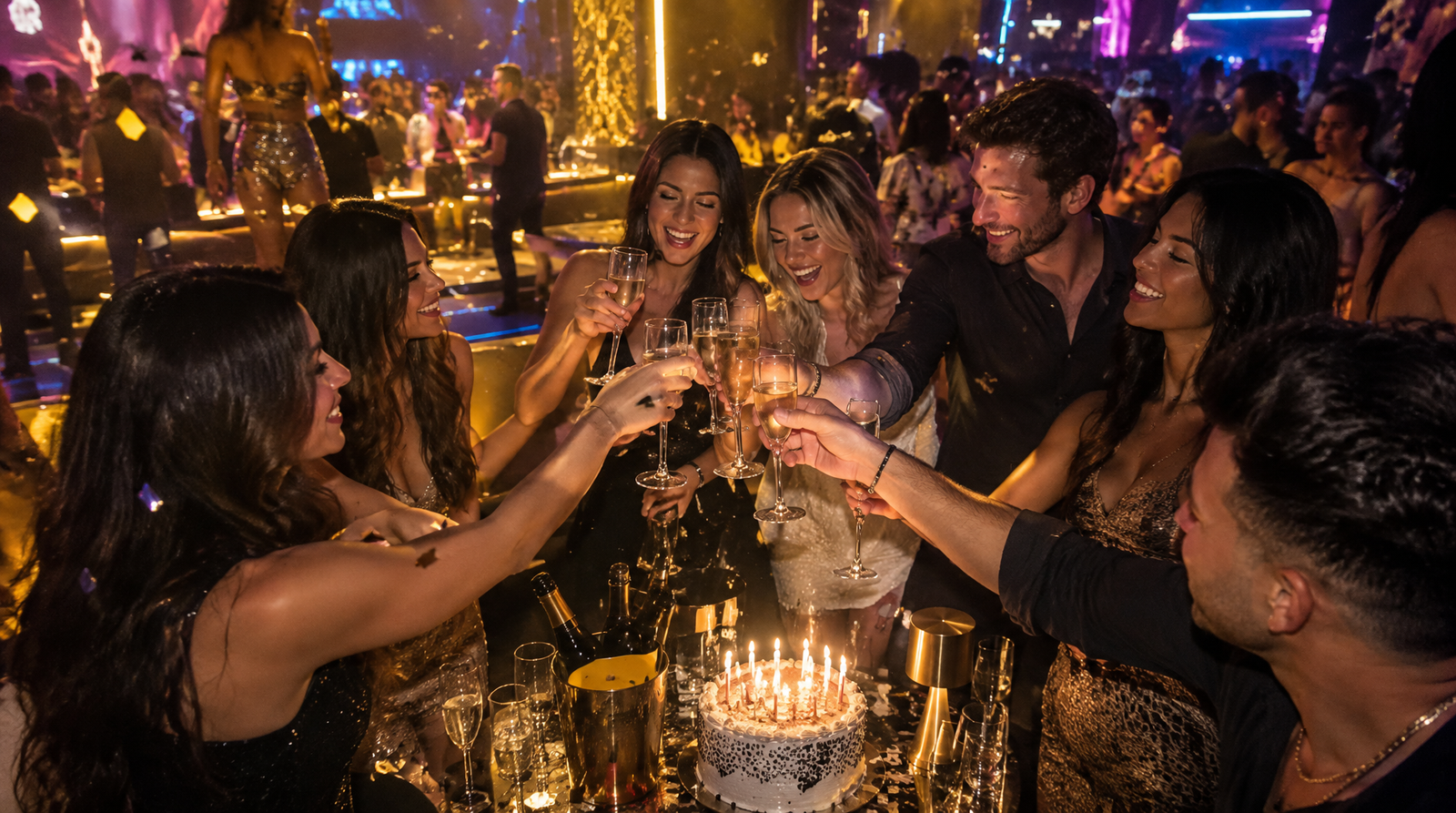
Its nightlife scene is defined by rooftop lounges, cocktail bars, upscale restaurants and venues that attract a mix of residents, professionals and visitors.
Brickell City Centre contributes to that environment by bringing people into the neighborhood throughout the day and evening.
An afternoon of shopping can transition into dinner, followed by cocktails or a rooftop experience within walking distance.
The surrounding district offers several established nightlife destinations.
Rosa Sky has become known for its rooftop atmosphere and skyline views.
Amazónico Miami combines dining, music and elaborate tropical-inspired interiors in a high-energy setting.
Blackbird Ordinary offers a more relaxed cocktail-bar experience, while Red Phone Booth introduces a speakeasy-inspired atmosphere.
Together, these venues help establish Brickell as a destination for evenings that extend beyond dinner.
What makes the neighborhood particularly appealing is the concentration of experiences.
Visitors can move between restaurants, lounges and entertainment venues without traveling across the city.
In a destination where transportation and traffic can often influence evening plans, that walkability represents a meaningful advantage.
More Than a Mall: A Different Vision for Urban Living
The significance of Brickell City Centre becomes clearer when viewed beyond its individual stores and restaurants.
It represents a broader change in how cities are designed and experienced.
Traditional urban development often separated major activities into different districts.
Office buildings occupied business centers. Shopping malls operated in commercial areas. Residential communities developed elsewhere.
Brickell City Centre brings many of these functions together.
Professionals work nearby.
Residents live above and around the development.
Hotel guests move through the same public spaces as local shoppers.
Restaurants serve customers arriving from offices, residences and neighboring destinations.
This combination creates activity throughout the day rather than relying on a single type of visitor.
It also reflects changing expectations among people choosing where to live.
Access to restaurants, shopping, fitness, entertainment and transportation has become increasingly important in the luxury residential market.
For many urban residents, convenience is no longer simply an amenity.
It is part of the lifestyle they are purchasing.
Brickell City Centre reflects a model in which the neighborhood itself becomes part of the luxury experience.
The Business Behind the Lifestyle
For developers, hospitality operators, retailers and entrepreneurs, Brickell City Centre offers an example of how multiple industries can support one another.
Luxury retailers benefit from the area’s international visibility and affluent customer base.
Restaurants gain exposure to residents, office professionals, hotel guests and visitors.
Hotels benefit from immediate proximity to shopping, dining and business destinations.
Residential developments become more attractive when desirable amenities are integrated into the surrounding neighborhood.
That relationship creates opportunities extending beyond the development itself.
Creative agencies, photographers, event producers, marketing professionals, designers and content creators all participate in the larger ecosystem surrounding Brickell’s lifestyle economy.
A restaurant opening requires branding and promotion.
A luxury property needs compelling photography and digital storytelling.
A fashion retailer benefits from events, collaborations and content that connect its products with the local market.
For Miami’s growing creative and entrepreneurial community, the neighborhood provides opportunities to build businesses around an increasingly influential consumer market.
The result is a commercial environment where culture, hospitality, retail and marketing are closely connected.
Brickell’s Influence on Miami’s Global Image
Miami’s reputation has expanded far beyond its traditional identity as a beach and nightlife destination.
The city now attracts international entrepreneurs, technology companies, financial institutions, luxury brands and real estate investors.
Brickell plays an important role in communicating that evolution.
Its skyline has become one of Miami’s most recognizable visual symbols.
The density of luxury residential towers, hotels, restaurants and commercial buildings creates an urban atmosphere that appeals to visitors accustomed to international cities.
Brickell City Centre contributes to that perception by offering a recognizable destination within the district.
For someone visiting Miami for the first time, the development provides an accessible introduction to the neighborhood’s architecture, retail environment and social culture.
For residents, it reinforces the idea that Miami’s urban lifestyle continues to evolve.
And for international brands evaluating South Florida, developments like Brickell City Centre illustrate the city’s ability to support sophisticated mixed-use destinations.
Visiting Brickell City Centre
Located at 701 South Miami Avenue, Miami, Florida 33131, Brickell City Centre is accessible