Key Takeaways
- South Beach Brewing designed its beers for coolers at the beach and daytime social settings, not just traditional taproom menus.
- Reality-TV veteran Prince Lorenzo Borghese and Shipyard Brewing founder Fred Forsley combined lifestyle branding with industrial brewing expertise to launch the company.
- The lineup features sessionable fruit-flavored options like strawberry-orange mimosas and peach shandies alongside IPAs built for warm-weather drinking.
- Borghese positioned the brunch beers as all-day beverages that pair with everything from eggs to steaks.
- The brand operates a brewpub built as a social hub, pairing accessible food with easy-drinking beers formulated for repeat orders.
- South Beach Brewing’s core premise holds that Miami Beach beer should taste like the buyer is already there.
Quick Summary
Bottling the Spirit of Miami: The Story Behind South Beach Brewing Company
How Prince Lorenzo Borghese and his team transformed the energy of South Beach into a lifestyle beverage brand built for sunshine, culture, and connection
Miami Beach has never been defined by just one thing.
It is the combination of ocean air, colorful architecture, international culture, music, nightlife, food, fashion, and the feeling that something exciting could happen at any moment. Millions of people travel to Miami every year hoping to experience that energy.
South Beach Brewing Company set out to capture it—and put it into a can.
Founded by entrepreneur and television personality Prince Lorenzo Borghese alongside experienced brewing partners, South Beach Brewing was created with a distinct vision: to build a beverage company that genuinely represents the South Beach lifestyle.
The goal was never simply to produce another craft beer. It was to create something refreshing enough for the Florida sun, flavorful enough to stand apart, and versatile enough to move from a beach cooler to brunch, dinner, nightlife, and major cultural events.
In other words, the product needed to feel unmistakably Miami.
A Brand Inspired by a Destination
Many beverage companies develop a product first and construct a brand around it afterward. South Beach Brewing approached the process differently.
The destination became the starting point.
Borghese drew inspiration from the sunshine, beaches, music, nightlife, and diverse communities that give Miami Beach its identity. Instead of attaching tropical imagery to an ordinary beer, the team began developing flavors and experiences that reflected the city itself.
That thinking helped produce a lineup centered on light, fruit-forward, warm-weather beverages. Selections such as the Strawberry Orange Mimosa Sparkling Ale and Blood Orange Sunset IPA were designed to be approachable—even for consumers who may not typically reach for a traditional craft beer.
The concept was simple but powerful: a South Beach beverage should make someone feel as though they are already on vacation.
“Our brunch beers are meant to be served at all times of the day,” Borghese explained in the company’s early promotional materials. “They’re easy to drink and ultra-refreshing. They go well with everything from eggs to steaks.”
That statement captured the brand’s larger strategy. South Beach Brewing was not interested in limiting its products to the conventional beer-drinking occasion. It wanted a place at brunches, pool parties, festivals, dinners, beach outings, and social gatherings.
Combining Lifestyle Vision With Brewing Experience
Building a recognizable lifestyle brand requires creativity, but producing beverages consistently and at scale demands technical experience.
South Beach Brewing brought those two worlds together.
Borghese contributed an understanding of branding, entrepreneurship, entertainment, and consumer lifestyle. Brewing veteran Fred Forsley, founder of Shipyard Brewing Company, brought years of industry knowledge and production experience.
That combination gave the company the ability to experiment without losing sight of commercial viability. The team could develop imaginative flavors inspired by Miami while relying on experienced brewing partners to help translate those ideas into products suitable for broader distribution.
The company experimented with ingredients and flavor profiles connected to Florida and South Florida culture, including citrus, coconut, and tropical fruit.
Rather than producing beer that could have originated anywhere, South Beach Brewing worked to make the location part of the recipe.
Creating a New Kind of Beer Experience
Traditional craft brewing often emphasizes complex styles, high bitterness, and the technical details of the brewing process. South Beach Brewing chose a more welcoming entry point.
The brand focused on the experience surrounding the beverage.
Its fruit-forward offerings were designed to be refreshing and easy to enjoy in Miami’s warm climate. That made them natural companions for beach days and outdoor events, but the lighter profiles also helped the company connect with people who might feel excluded by conventional craft-beer culture.
This approach turned accessibility into a strength.
A customer did not need extensive beer knowledge to understand a strawberry-orange mimosa ale or a blood-orange IPA. The names, flavors, and presentation immediately communicated the type of experience the brand wanted to deliver.
South Beach Brewing was making craft beverages feel less intimidating, more social, and more closely connected to the way people actually spend their time in Miami.
A Brewpub Designed as a Social Hub
The company’s physical home at 210 11th Street in Miami Beach extends that philosophy beyond the product.
South Beach Brewing’s brewpub was designed to function as a gathering place rather than simply a room where beer is produced and served. Food, drinks, art, music, events, and hospitality come together to create an environment reflecting the surrounding neighborhood.
Inside the taproom, murals painted by Miami artist David “LEBO” LeBatard bring the city’s bold visual identity into the space.
The brewpub also provides something valuable to a growing beverage company: direct access to its customers.
Guests can try experimental products, share immediate reactions, and build personal relationships with the people behind the brand. That feedback gives the company an opportunity to understand which flavors resonate before introducing them to a wider market.
As Vice President Devon Simpsonhas said, “The road to success is always under construction.”
For South Beach Brewing, constant experimentation is not a sign that the brand lacks direction. It is part of the business model.
Taking the Brand Beyond the Taproom
A lifestyle brand cannot depend entirely on customers visiting one physical location. It must become part of the places, events, and experiences where its audience already spends time.
South Beach Brewing has pursued that visibility through retail distribution, festivals, hospitality partnerships, pop-up activations, and its mobile beer truck.
The truck allows the brewery to take its products directly into the community, appearing at art walks, music events, beachside celebrations, and other cultural gatherings. Each appearance gives consumers another opportunity to associate the brand with the experience of Miami.
Retail placement supports the same objective. By moving into grocery stores and other everyday shopping environments, South Beach Brewing can reach customers beyond the traditional craft-beer audience.
The strategy transforms the company from a local brewpub into a consumer lifestyle brand with room to grow.
Innovation Beyond Traditional Beer
South Beach Brewing’s willingness to experiment has also led the company into emerging beverage categories.
Its expansion into hemp-derived THC beverages represents another chapter in the brand’s development. The company’s THC collection is now offered under the name Miami Euphoria by Rick Ross.
For South Beach Brewing, the expansion feels less like an abandonment of beer and more like an extension of its original thinking.
From the beginning, the company positioned its beverages around occasions, flavor, refreshment, and lifestyle. Exploring new categories allows the brand to serve consumers who want alternatives to traditional alcoholic drinks while maintaining the fruit-forward character that helped establish its identity.
Products in this category remain subject to evolving federal and state regulations, making responsible formulation, labeling, and distribution essential. But the company’s willingness to enter the space demonstrates an entrepreneurial instinct to recognize where consumer culture may be heading next.
The Power of Strategic Partnerships
In the beverage industry, an innovative product is only part of the equation. Visibility can determine whether a brand remains a neighborhood favorite or reaches a much larger audience.
South Beach Brewing has used collaborations to connect the company with entertainment, hospitality, tourism, and popular culture.
A strategic partnership can provide more than followers. The right collaborator introduces a product to an audience that already understands the lifestyle the brand represents. When that relationship feels authentic, it gives the company cultural credibility that cannot always be purchased through traditional advertising.
The brand’s relationship with Miami culture creates a particularly strong foundation for these collaborations. South Beach Brewing is not attempting to borrow the city’s identity from a distance. Its brewpub, products, events, ingredients, and leadership are directly connected to the community.
More Than a Beer Company
What South Beach Brewing gets right is the alignment between product, place, and audience.
The beverages are inspired by Florida flavors. The brewpub reflects Miami’s artistic and social energy. The events place the company directly inside the culture it celebrates. Even the names of the products communicate sunshine, brunch, citrus, and the South Beach experience.
That consistency is what separates a lifestyle brand from a product with attractive packaging.
As the company grows, its greatest opportunity will also become its greatest challenge: carrying the authenticity of Miami Beach into new markets without losing the personality that made the brand distinctive.
Expansion may introduce South Beach Brewing to consumers who have never visited its brewpub—or even traveled to Miami. The company’s job will be to make those customers feel the destination through the flavor, design, and experience surrounding every product.
If South Beach Brewing can preserve that connection while continuing to innovate, it will have the potential to become much more than a local craft-beverage company.
It can become an invitation to experience Miami wherever you are.
Because South Beach is more than a location.
It is a feeling—and South Beach Brewing is working to put that feeling into every pour.
A Brand Inspired by a Destination
Many beverage companies develop a product first and construct a brand around it afterward. South Beach Brewing approached the process differently.
The destination became the starting point.
Borghese drew inspiration from the sunshine, beaches, music, nightlife, and diverse communities that give Miami Beach its identity. Instead of attaching tropical imagery to an ordinary beer, the team began developing flavors and experiences that reflected the city itself.
That thinking helped produce a lineup centered on light, fruit-forward, warm-weather beverages. Selections such as the Strawberry Orange Mimosa Sparkling Ale and Blood Orange Sunset IPA were designed to be approachable—even for consumers who may not typically reach for a traditional craft beer.
The concept was simple but powerful: a South Beach beverage should make someone feel as though they are already on vacation.
“Our brunch beers are meant to be served at all times of the day,” Borghese explained in the company’s early promotional materials. “They’re easy to drink and ultra refreshing. They go well with everything from eggs to steaks.”
That statement captured the brand’s larger strategy. South Beach Brewing was not interested in limiting its products to the conventional beer drinking occasion. It wanted a place at brunches, pool parties, festivals, dinners, beach outings, and social gatherings.
Combining Lifestyle Vision With Brewing Experience
Building a recognizable lifestyle brand requires creativity, but producing beverages consistently and at scale demands technical experience.
South Beach Brewing brought those two worlds together.
Borghese contributed an understanding of branding, entrepreneurship, entertainment, and consumer lifestyle. Brewing veteran Fred Forsley, founder of Shipyard Brewing Company, brought years of industry knowledge and production experience.
That combination gave the company the ability to experiment without losing sight of commercial viability. The team could develop imaginative flavors inspired by Miami while relying on experienced brewing partners to help translate those ideas into products suitable for broader distribution.
The company experimented with ingredients and flavor profiles connected to Florida and South Florida culture, including citrus, coconut, tropical fruit, and even Cuban coffee inspired creations.
Rather than producing beer that could have originated anywhere, South Beach Brewing worked to make the location part of the recipe.
Creating a New Kind of Beer Experience
Traditional craft brewing often emphasizes complex styles, high bitterness, and the technical details of the brewing process. South Beach Brewing chose a more welcoming entry point.
The brand focused on the experience surrounding the beverage.
Its fruit forward offerings were designed to be refreshing and easy to enjoy in Miami’s warm climate. That made them natural companions for beach days and outdoor events, but the lighter profiles also helped the company connect with people who might feel excluded by conventional craft beer culture.
This approach turned accessibility into a strength.
A customer did not need extensive beer knowledge to understand a strawberry-orange mimosa ale or a blood-orange IPA. The names, flavors, and presentation immediately communicated the type of experience the brand wanted to deliver.
South Beach Brewing was making craft beverages feel less intimidating, more social, and more closely connected to the way people actually spend their time in Miami.
A Brewpub Designed as a Social Hub
The company’s physical home at 210 11th Street in Miami Beach extends that philosophy beyond the product.
South Beach Brewing’s brewpub was designed to function as a gathering place rather than simply a room where beer is produced and served. Food, drinks, art, music, events, and hospitality come together to create an environment reflecting the surrounding neighborhood.
The outdoor beer garden, designed by Miami artist David “LEBO” LeBatard, brings the city’s bold visual identity into the space. Bright colors and expressive artwork help create an atmosphere that feels connected to Miami’s creative community.
The brewpub also provides something valuable to a growing beverage company: direct access to its customers.
Guests can try experimental products, share immediate reactions, and build personal relationships with the people behind the brand. That feedback gives the company an opportunity to understand which flavors resonate before introducing them to a wider market.
As Vice President Devon Simpson has said, “The road to success is always under construction.”
For South Beach Brewing, constant experimentation is not a sign that the brand lacks direction. It is part of the business model.
Taking the Brand Beyond the Taproom
A lifestyle brand cannot depend entirely on customers visiting one physical location. It must become part of the places, events, and experiences where its audience already spends time.
South Beach Brewing has pursued that visibility through retail distribution, festivals, hospitality partnerships, pop-up activations, and its mobile beer truck.
The truck allows the brewery to take its products directly into the community, appearing at art walks, music events, beachside celebrations, and other cultural gatherings. Each appearance gives consumers another opportunity to associate the brand with the experience of Miami.
Retail placement supports the same objective. By moving into grocery stores and other everyday shopping environments, South Beach Brewing can reach customers beyond the traditional craft-beer audience.
The strategy transforms the company from a local brewpub into a consumer lifestyle brand with room to grow.
Innovation Beyond Traditional Beer
South Beach Brewing’s willingness to experiment has also led the company into emerging beverage categories.
Its expansion into hemp-derived THC and CBD beverages, including collaborations connected to Miami music icon Rick Ross, represents another chapter in the brand’s development. The move reflects broader changes in how consumers socialize and what they expect from modern beverage companies.
For South Beach Brewing, the expansion feels less like an abandonment of beer and more like an extension of its original thinking.
From the beginning, the company positioned its beverages around occasions, flavor, refreshment, and lifestyle. Exploring new categories allows the brand to serve consumers who want alternatives to traditional alcoholic drinks while maintaining the fruit-forward character that helped establish its identity.
Products in this category remain subject to evolving federal and state regulations, making responsible formulation, labeling, and distribution essential. But the company’s willingness to enter the space demonstrates an entrepreneurial instinct to recognize where consumer culture may be heading next.
The Power of Strategic Partnerships
In the beverage industry, an innovative product is only part of the equation. Visibility can determine whether a brand remains a neighborhood favorite or reaches a much larger audience.
South Beach Brewing has used collaborations to connect the company with entertainment, hospitality, tourism, and popular culture.
A strategic partnership can provide more than followers. The right collaborator introduces a product to an audience that already understands the lifestyle the brand represents. When that relationship feels authentic, it gives the company cultural credibility that cannot always be purchased through traditional advertising.
The brand’s relationship with Miami culture creates a particularly strong foundation for these collaborations. South Beach Brewing is not attempting to borrow the city’s identity from a distance. Its brewpub, products, events, ingredients, and leadership are directly connected to the community.
More Than a Beer Company
What South Beach Brewing gets right is the alignment between product, place, and audience.
The beverages are inspired by Florida flavors. The brewpub reflects Miami’s artistic and social energy. The events place the company directly inside the culture it celebrates. Even the names of the products communicate sunshine, brunch, citrus, and the South Beach experience.
That consistency is what separates a lifestyle brand from a product with attractive packaging.
As the company grows, its greatest opportunity will also become its greatest challenge: carrying the authenticity of Miami Beach into new markets without losing the personality that made the brand distinctive.
Expansion may introduce South Beach Brewing to consumers who have never visited its brewpub or even traveled to Miami. The company’s job will be to make those customers feel the destination through the flavor, design, and experience surrounding every product.
If South Beach Brewing can preserve that connection while continuing to innovate, it will have the potential to become much more than a local craft-beverage company.
It can become an invitation to experience Miami wherever you are.
Because South Beach is more than a location.
It is a feeling—and South Beach Brewing is working to put that feeling into every pour.
The Product Line Is Designed for Non-Beer Occasions
The beers are intentionally sessionable. The offerings include fruit-flavored beers like strawberry-orange mimosas and peach shandies, alongside IPAs formulated to remain drinkable in warm-weather settings. Borghese framed the pitch plainly in the company’s early press materials: “Our brunch beers are meant to be served at all times of the day. They’re easy to drink and ultra-refreshing… They go well with everything from eggs to steaks.”
That positioning is intentional. Through tropical flavors, locally inspired branding, and products designed around the South Florida lifestyle, South Beach Brewing continues to create beverages connected to the city it represents.
Distribution Strategy Puts Beer in Everyday Spaces
Craft breweries often focus on specialty bottle shops and taproom sales. South Beach Brewing has pursued grocery store distribution across Southern Florida, which aligns with its product design. If the beer is built to be an everyday lifestyle product, it benefits from placement where people shop for everyday groceries. The goal is to make the lineup as accessible as standard grocery items.
The brewery also runs a beer truck that brings the lineup to festivals and pop-up events. That mobile presence reinforces the brand’s visibility in spaces where people are already in vacation mode. The Instagram feed at @southbeachbrew documents the truck at beach-side gatherings, art walks, and local music events, building the narrative that the beer belongs wherever Miami Beach culture shows up.
Wellness-Adjacent Beverage Development in the Craft Beer Sector
The craft beer industry has seen growing interest in functional beverages that position alcohol alternatives or lower-alcohol products as wellness-adjacent. THC/CBD-infused ready-to-drink beverages that comply with federal regulations have emerged as one category where breweries are exploring new product lines. Celebrity partnerships have become a common marketing strategy for visibility in these emerging categories, with endorsements reaching millions of followers on social media.
This trend represents an extension of positioning beer as a functional lifestyle product. Brands that emphasize refreshment, approachability, and integration into health-conscious routines are exploring alternatives to traditional alcohol categories. Devon Simpson, has described the company’s philosophy plainly: “The road to success is always under construction.” That mindset reflects a willingness to explore product categories beyond traditional beer offerings.
The Inspiration Behind South Beach Brewing
We keep coming back to one idea when we study lifestyle brands that actually stick: the product has to taste like the place it came from. South Beach Brewing is a clean example of that principle in action. Founder Lorenzo Borghese built the brand around what he saw out his window in Miami Beach—the sun, the music, the endless-summer nightlife, and the mix of cultures that make the neighborhood feel like nowhere else. The company’s own messaging leans straight into this, describing brews that “capture the essence of sun-kissed days and endless nights” on its company LinkedIn page.
That sensory starting point is what separates South Beach Brewing from a generic craft label slapped with a palm tree. The inspiration was the city itself, then the recipes followed. Brands that reverse this order, picking a beer style first and bolting on a vibe later, rarely convince locals. Borghese’s version worked backward from the feeling of the beach.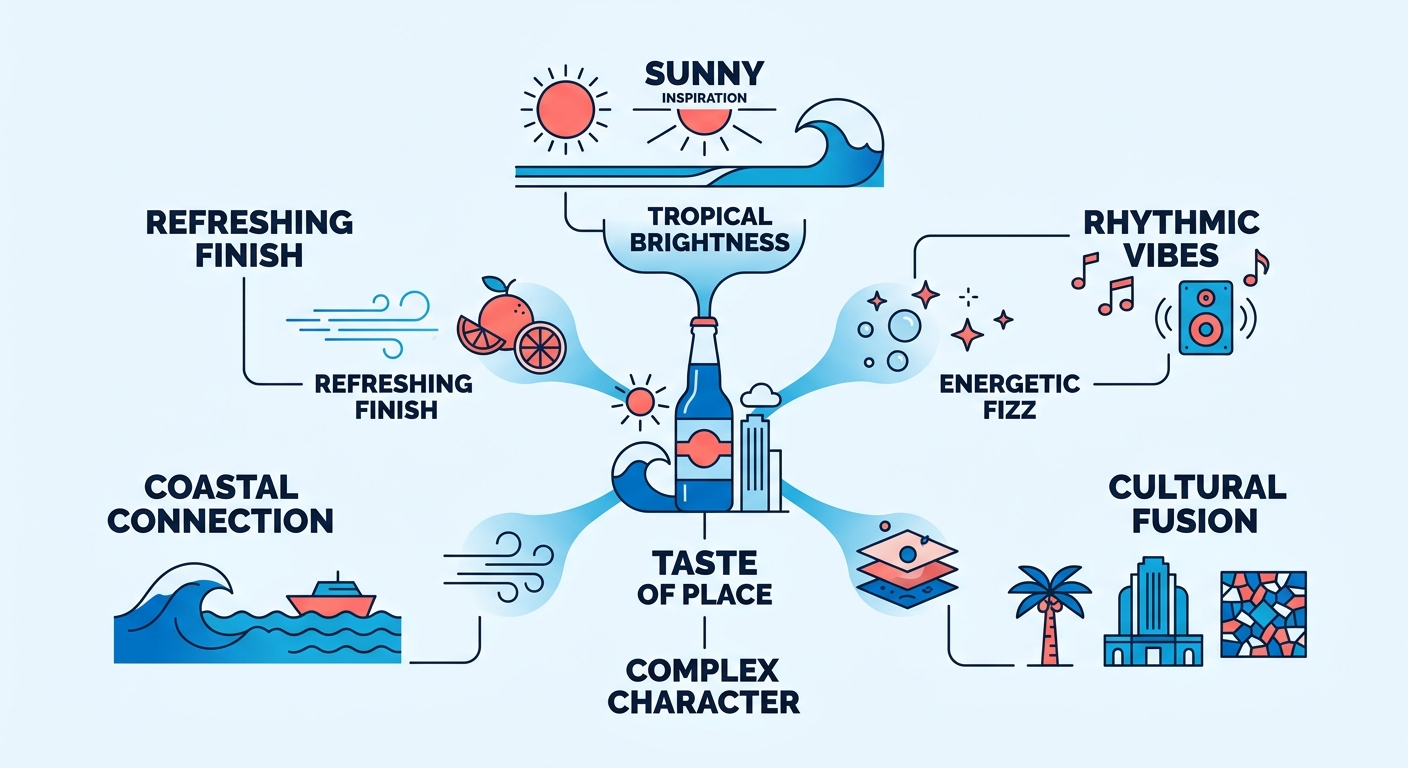
What Sparked the Idea
The vision came from lifestyle, not a spreadsheet. Borghese wanted beers built specifically for daytime settings like pool decks and brunch tables, rather than traditional late-night bar shelves. His early notes emphasize creating highly refreshing, easy-drinking profiles that could seamlessly transition from morning gatherings to evening dining, filling a gap he noticed in the local market.
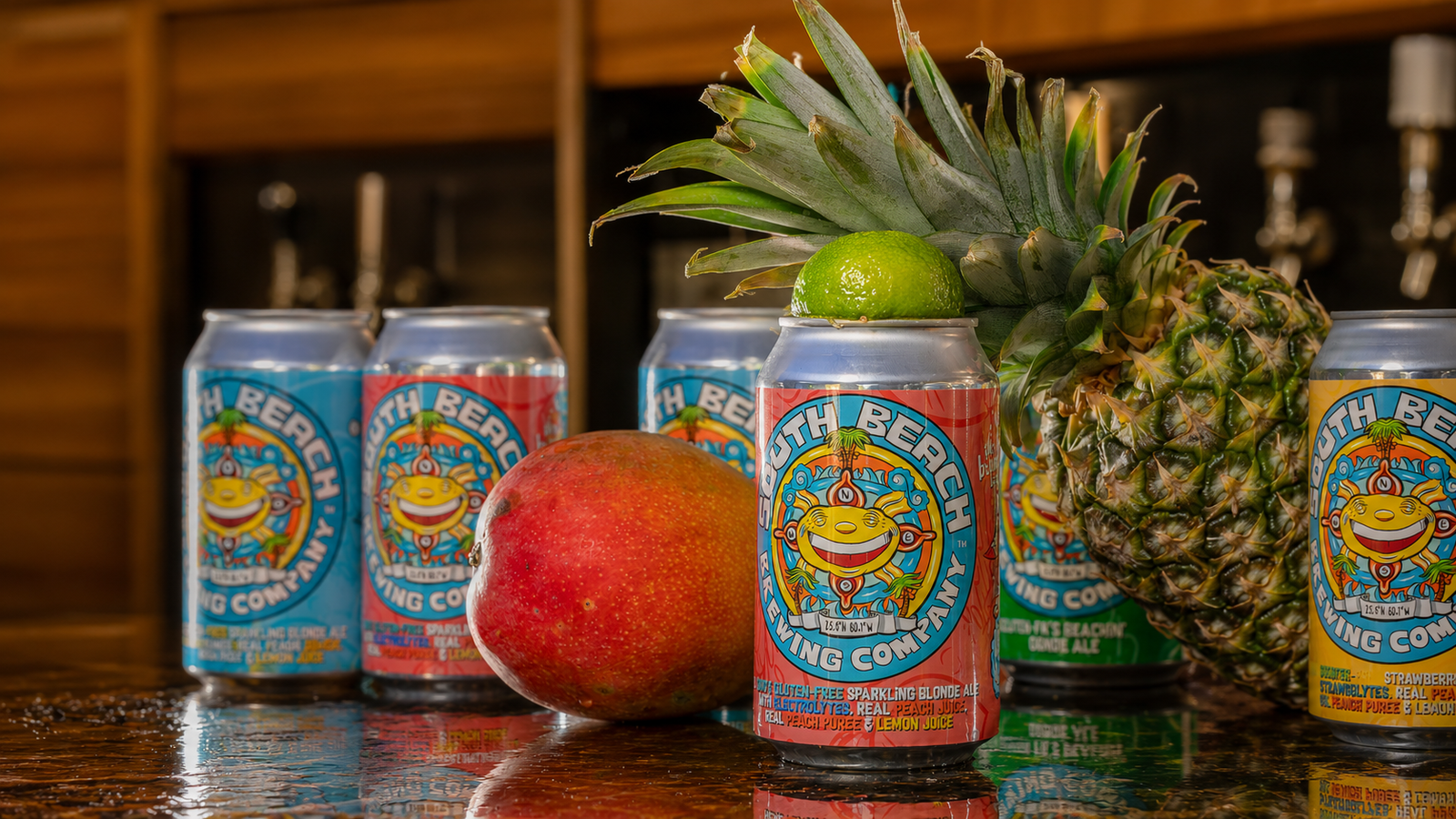
That all-day, goes-with-everything framing is the whole thesis. The flagship Strawberry Orange Mimosa Sparkling Ale sits at a light 5% ABV, and the Blood Orange Sunset IPA uses 100% Florida orange juice, as shown in this product announcement. One note on the numbers: the IPA is listed at 6.7% ABV on current retail and social channels, while the founder’s profile cites 6.9%. Our read is that 6.7% is the shipping recipe and 6.9% was an early formulation.
How Brewing Partners and Experimentation Shaped the Lineup
Vision needed production muscle, and that came from bringing in seasoned brewing partners the same year the brand launched. Borghese supplied the cultural read on Miami; the brewing side supplied the technical craft. The brewing team focused on infusing regional culinary staples directly into their experimental runs, drawing inspiration from the neighborhood’s rich Latin identity to create distinct, small-batch profiles that resonated with locals.
The early move to add coconut-derived electrolytes framed these beers as functional, lifestyle-first drinks. That instinct is exactly why the later partnership with Rick Ross on THC and CBD-infused beverages reads as a logical next chapter, not a pivot. A brand that always sold beer as a wellness-adjacent lifestyle product was built to extend into new categories once the culture moved there.
South Beach Brewing’s Products and Availability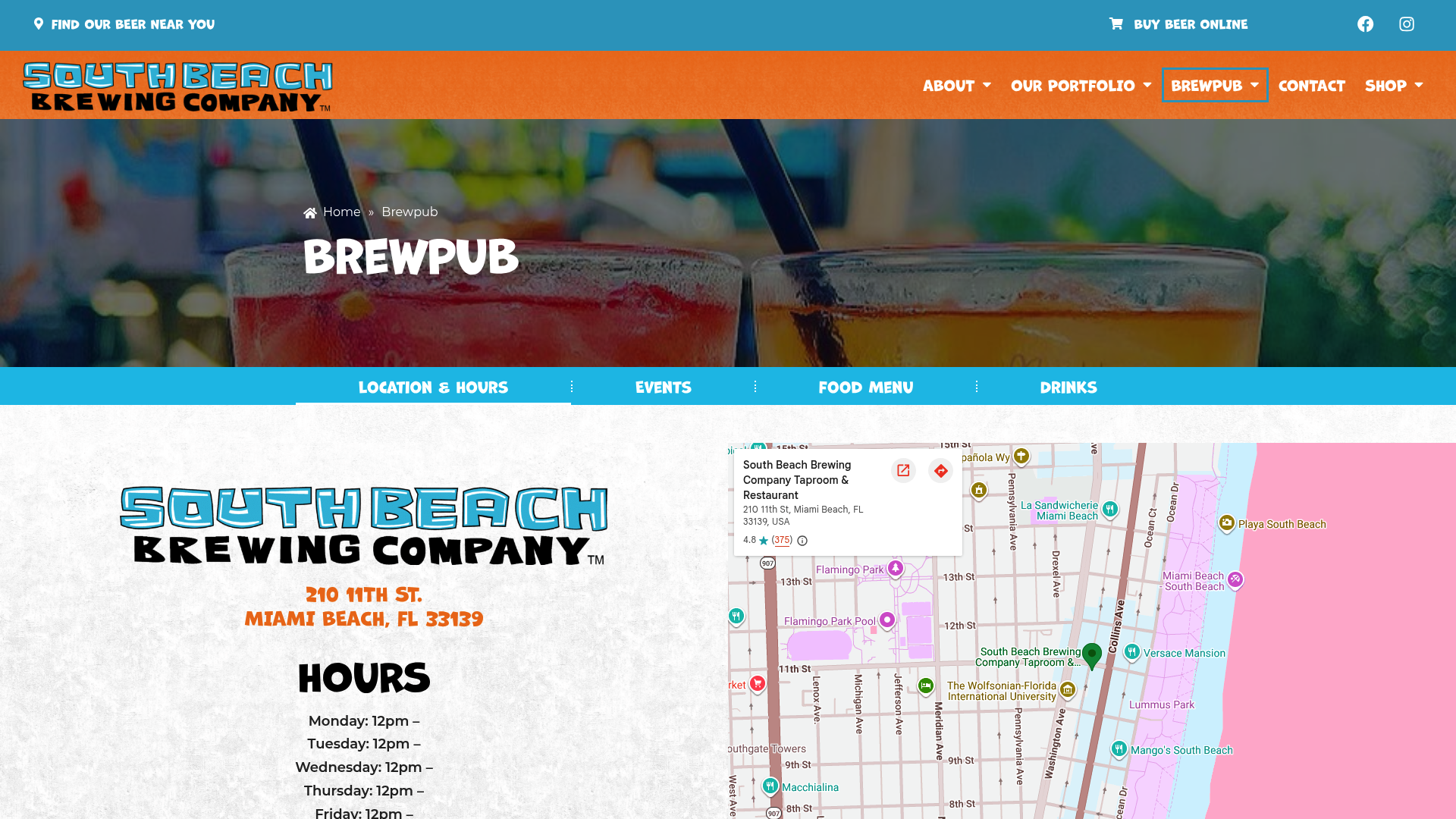
We build product sections around one question: can you actually get the thing, and does it taste the same every time? For breweries targeting daytime drinking and everyday retail distribution, that means consistent recipes and a product lineup built for sessionability rather than alcohol-forward profiles.
Sessionable lineups tend to launch in 12-ounce slim cans and variety packs, formats that move well through grocery cold cases and stay portable for outdoor use. Many breweries targeting beachgoers and lifestyle drinkers incorporate real fruit juice and hydrating components to differentiate their offerings from traditional, heavy craft beers. These formulations position beer as an all-day beverage rather than an evening-only product.
What the brand actually makes
Breweries in the lifestyle beer category often span fruit-forward ales, gluten-free and GMO-free options for health-conscious drinkers, and increasingly, THC/CBD-infused beverages. Founders in this segment typically frame their beers as all-day drinks designed to pair with everything from brunch to dinner.
One spec note worth flagging: when small-batch breweries scale from pilot systems to retail production, minor recipe drift between early batches and commercial products is common. Consistency matters once products hit grocery shelves, and most successful brands lock formulations before distribution expansion.
How THC innovations fit the lineup
The THC beverage category isn’t a pivot for lifestyle breweries—it’s a logical extension for brands that have always positioned beer as a functional drink. Recent partnerships in this space have introduced ready-to-drink THC/CBD products with real juice, watermelon and mint, or blueberry and strawberry profiles.
These products typically stay under 0.3% THC to maintain Federal Farm Bill Compliance. The formulation approach mirrors fruit-forward beer: real juice handles flavor work, and functional ingredients, whether electrolytes or cannabinoids, provide the positioning angle. For breweries that launched with wellness-adjacent beer in 2017, THC drinks represent a continuation of the same strategy.
Where to buy and what’s next
Successful lifestyle beer brands secure taproom traffic, grocery distribution in neighborhood chains, and direct-to-consumer online shipping within their home state. The grocery move signals scalability—getting flagship beers into a regional supermarket chain means the brand wants everyday shelf presence, not just tourist foot traffic.
Customer reception matters. Breweries that maintain ratings above 4.5 across review platforms and earn positive feedback about specific products—especially comments linking the beer to local events or lifestyle moments—demonstrate product-market fit beyond the taproom.
Expect wider retail distribution and THC product rollouts to lead the next phase for breweries in this segment.
The Importance of Miami Culture to South Beach Brewing
Miami culture is not a marketing overlay for this brand. It runs through the physical space, the glassware, and the ingredients. When we study lifestyle brands that hold up, we look for whether the city shows up in things you can touch, not just the captions. South Beach Brewing passes that test at nearly every point of contact.
Start with the taproom itself. Murals painted inside the space by local artist David LeBatard, better known as LEBO, bring his bright, kinetic style into the South Beach Brewing experience.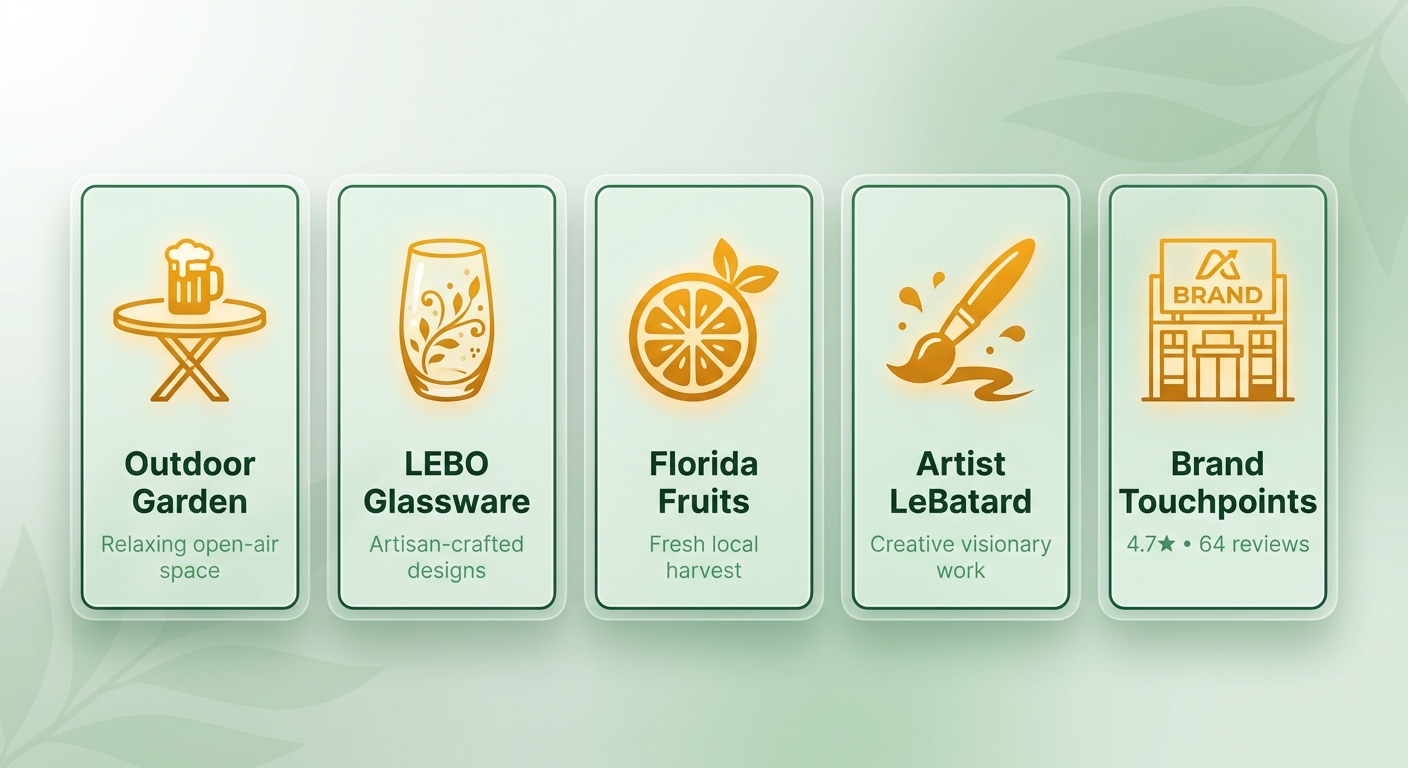
How Miami culture shapes the products
The city’s identity reaches into the beer recipes, not just the branding. Flagship pours lean on Florida citrus and sunset-and-brunch imagery, tying the liquid to the place it comes from. The drink should taste like the block it was made on.
The brand’s media campaigns highlight how these recipes are built around local citrus and daytime social occasions. Sourcing regional ingredients and designing the flavor profile for warm-weather drinking is what separates a true Miami brand from a generic tropical label. The ingredient choice does the cultural work.
Why the nightlife scene matters
Yes, and the hours prove it. The taproom runs until 2:00 AM Thursday through Saturday per the Yelp listing details, which puts it squarely inside Miami’s late-night rhythm rather than a nine-to-five taproom schedule. One reviewer praised the South Beach Light after a hot day at F1 Fan Fest in Lummus Park, a reminder that the brand rides the city’s event calendar.
That event energy connects to the brand’s biggest cultural lever. Leveraging high-profile digital reach allows the brand to project its message to over 20 million social media followers. When contrasted with the intimate physical footprint of the brewpub at 210 11th Street in Miami Beach, the strategy becomes clear: the brand competes on cultural resonance and digital footprint rather than sheer physical square footage.
Who is actually building it
The leadership structure balances creative lifestyle branding with seasoned operational expertise. This combination allows the company to maintain its boutique, culture-first identity while utilizing established production channels to scale its distribution.
As Vice President Devon Simpson notes on the company’s family page, the brand’s journey requires constant adaptation and ongoing refinement of its business model:
“The road to success is always under construction.”
South Beach Brewing’s Approach to Craft Beverages
What sets the brewing approach here apart is a refusal to treat flavor as decoration. The flagship beers are built on real Florida fruit, not syrup. That commitment to whole-juice formulation shows up across the lineup, from citrus-driven IPAs to brunch-style sparkling ales that read more like a mid-morning pour than a traditional beer, per an Instagram reel announcing Publix availability.
That fruit-forward, everyday-drinking bet is the whole thesis behind South Beach Brewing. Both flagships are GMO-free and gluten-free, which is a deliberate design choice for health-conscious beachgoers rather than an afterthought. When we look at lifestyle brands that hold up in retail, this is the kind of detail that decides whether a product earns a permanent cooler slot or gets bought once.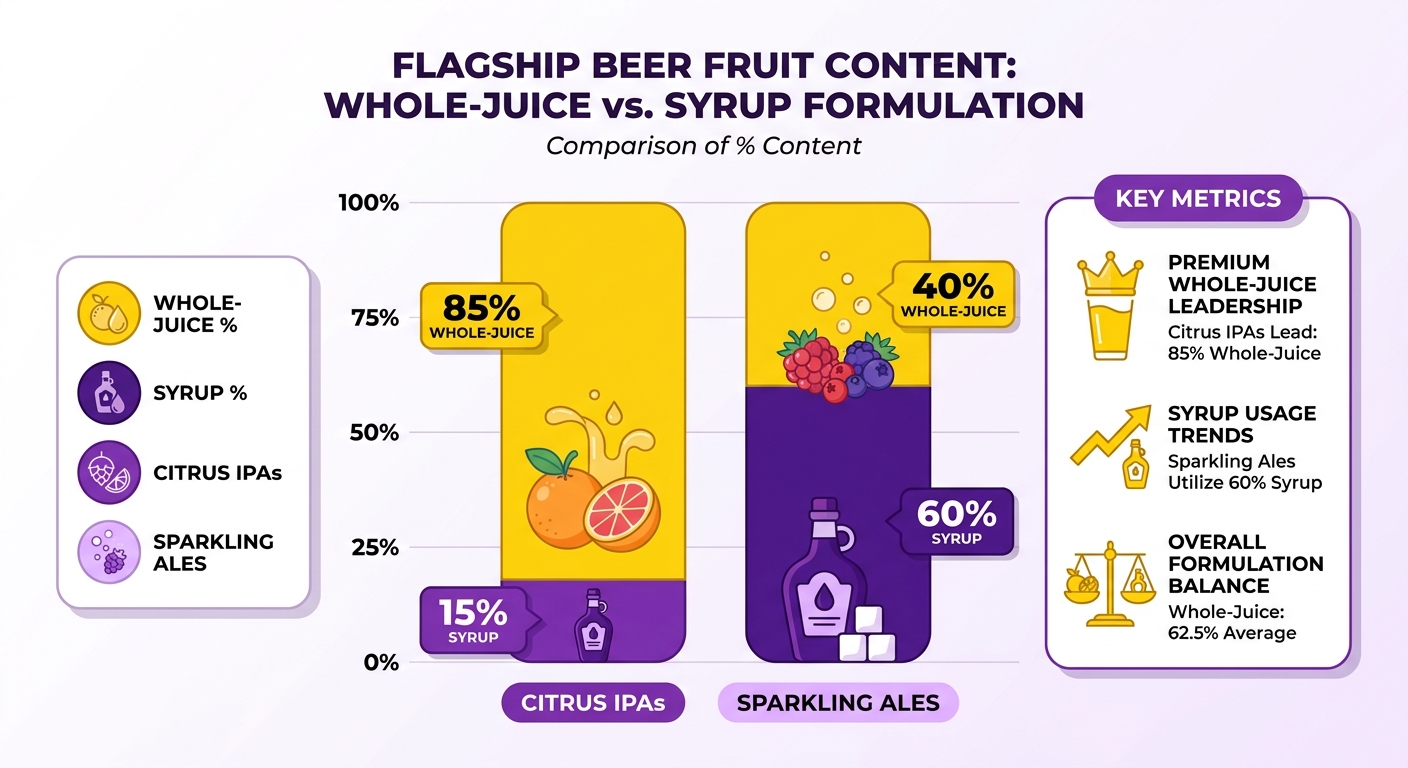
What flavors and formulations make the lineup distinct
The lineup leans heavily on regional fruit profiles and small-batch experimentation. By pairing real juice with functional ingredients, the brewery positions these pours to compete with modern, health-conscious alternatives rather than just traditional lagers and ales.
The electrolyte angle is the tell. Most fruit beers stop at taste, but pairing juice with a hydration additive positions these pours against sports drinks and seltzers, not just other beers. That functional framing is what keeps the brand from reading as a novelty. It’s a wellness product that happens to have alcohol, which is a much larger shelf to compete on.
How experimentation drives new products
Operating a compact one- or two-barrel pilot system allows the team to test highly experimental, culturally relevant flavor profiles in small batches before committing to commercial-scale production runs. This low-risk test loop is how a fruit-beer brand keeps its shelf fresh without betting the whole operation on a guess.
This experimental drive led to the development of Miami Euphoria by Rick Ross, the company’s hemp-derived THC portfolio. The current collection includes Blue Tide, Pink Tide, and Watermelon Chill, each containing 10 mg of THC; Orange Crush’d with 50 mg of THC; and Rich Forever – Dark Cherry Vanilla with 60 mg of THC. The brand also offers a line of THC gummies. The products do not contain CBD.
coconut-electrolyte hydration beer idea from the 2017 launch and the THC/CBD drinks aren’t two different brands. They’re the same wellness-adjacent lifestyle bet, eight years apart. The THC line isn’t a pivot. It’s the logical next step for a company that always sold beer as a functional lifestyle product.
Where the brand is headed
Maintaining strict adherence to federal cannabinoid thresholds ensures these products can legally cross state lines. When combined with high-impact digital marketing and broad social media reach, this regulatory compliance provides a clear pathway for transitioning from a regional novelty to a national brand.
The South Beach Brewing Experience: Events and Marketing
We build events strategy around one test: does the brand show up where people already are, or does it wait for people to come to it? The South Beach Brewing playbook clearly picks the first option. The brand maintains an active presence at festivals and street events across Miami Beach, using mobility as a core distribution strategy.
This mobile strategy ensures the brand remains visible during major local gatherings. By positioning their products directly along the paths of festival attendees and beachgoers, the brewery integrates its offerings into the active, outdoor lifestyle of the city.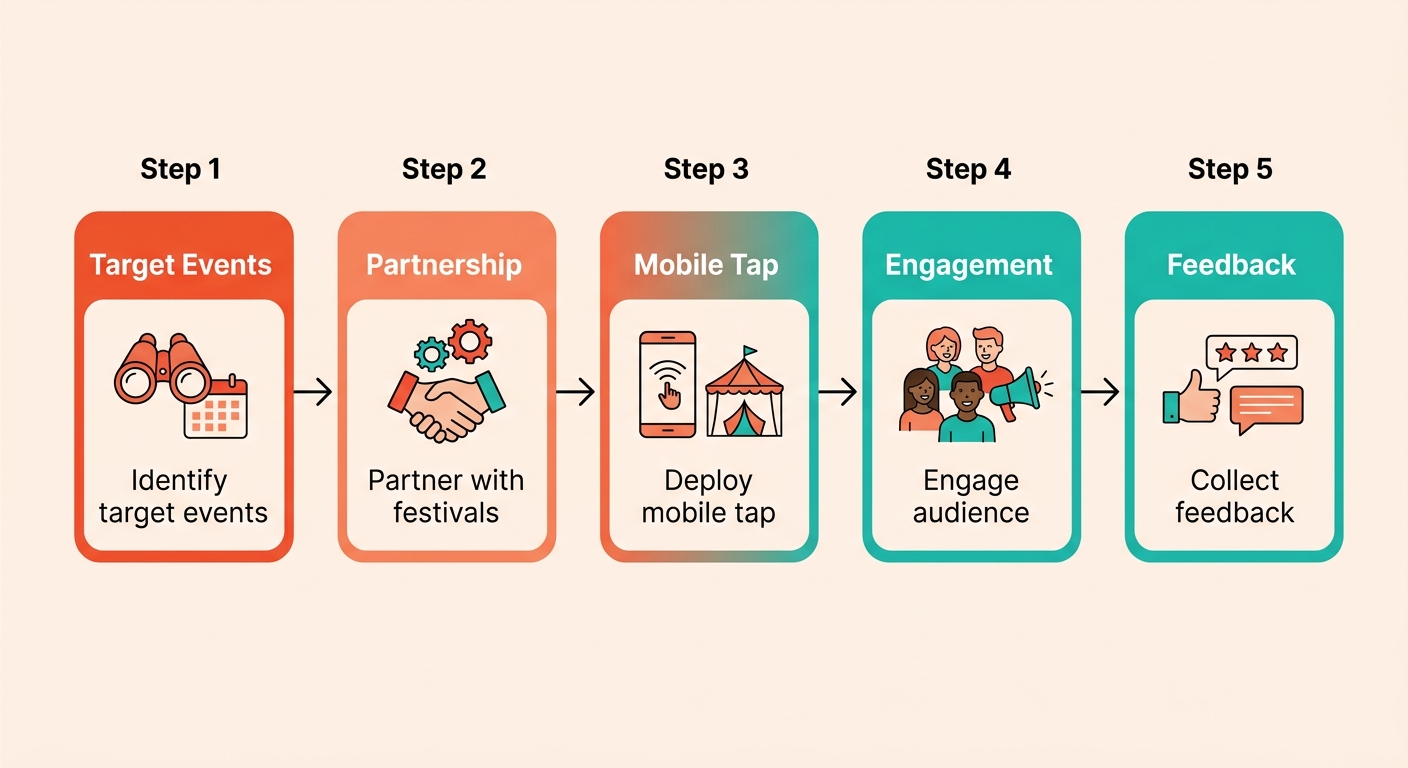
How events and activations promote the brand
Events work here because the product was engineered to fit them. The taproom serves as a home base for live entertainment and community gatherings, while the sessionable lineup travels to daytime festivals and late-night block parties with the same portfolio. That flexibility is rare for a brewery this size, and it’s a deliberate choice.
What role social media and partnerships play
Digital reach requires intentional amplification. Local breweries often rely on organic follower growth paired with strategic partnerships that extend their visibility beyond immediate geographic markets.
Instagram and Facebook serve as the primary channels for announcing weekend events, new releases, and collab drops. Partnering with local influencers and hospitality venues allows the brand to reach tourists and residents who don’t follow brewery accounts but do follow Miami Beach lifestyle content. These partnerships amplify reach without paid media spend, turning venue tags and guest posts into discovery moments.
How customer feedback shapes the offering
Customer feedback here is public and specific, which makes it usable. Reviewers call out the owners by name and praise the hands-on service, like this note from Yelp.
“Cannot say enough good things about this place. Beer was awesome, owners were awesome.” – Mike S., Yelp
When feedback names the people, not just the product, you’ve got a community, not a customer base. Our advice: read those comments as free product research. The brand that treats reviews as a roadmap ends up leading on experience, not chasing it.
Partnerships and Collaborations: Building Brand Visibility Through Strategic Connections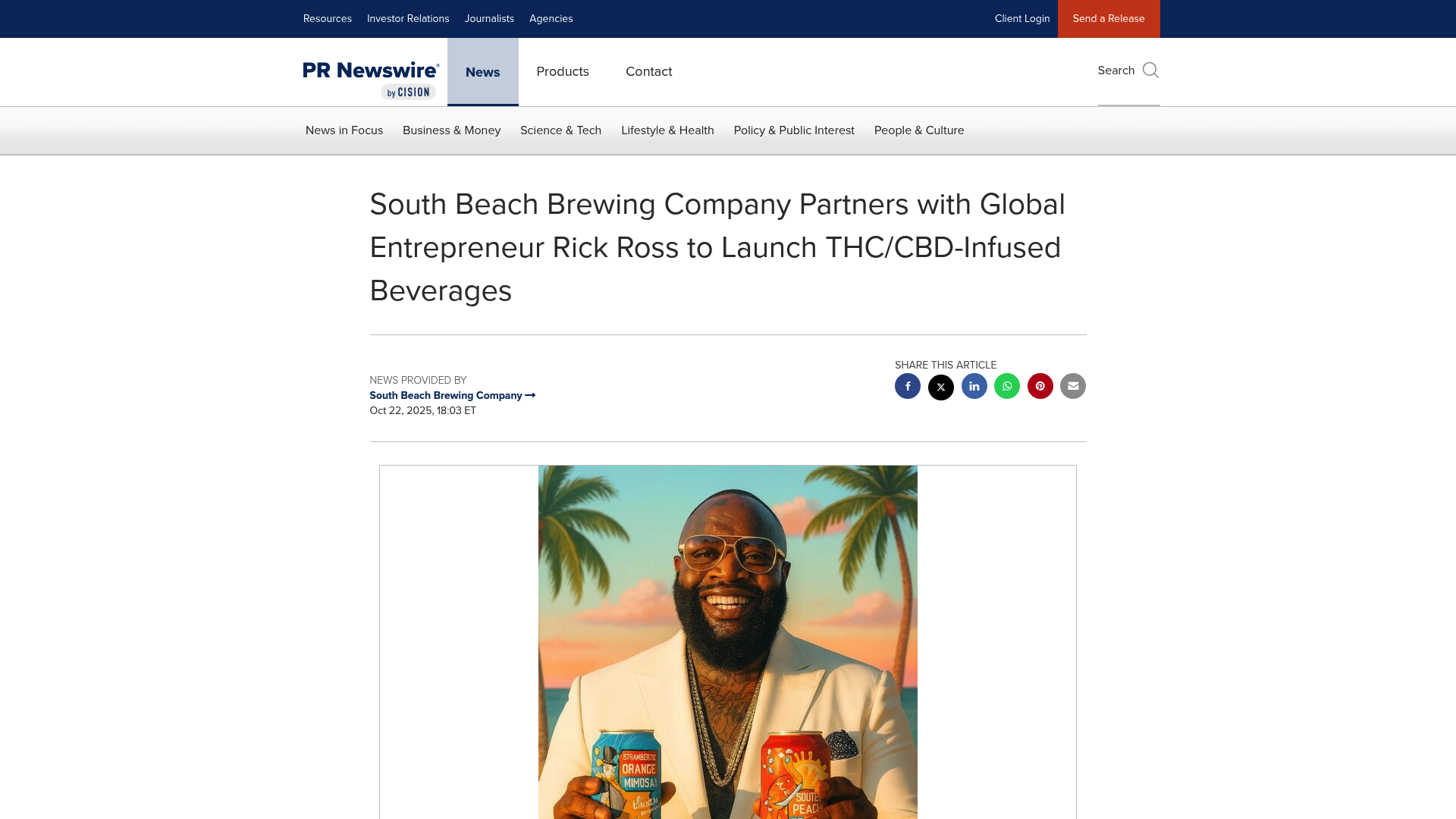
Strategic partnerships help brands reach new audiences and build credibility in competitive markets. When a business aligns with cultural figures or established names, it can amplify visibility and create social proof that extends beyond traditional marketing channels. The key is finding collaborators whose existing audience and brand values match the product positioning.
What celebrity partnerships bring beyond followers
Social reach matters, but effective partnerships deliver cultural permission. When a brand positions itself as a lifestyle product rather than a commodity, the endorsement of a figure with an established following can reframe how consumers perceive the offering. A collaborator with a personal brand built on luxury consumption can make a product feel natural in premium contexts rather than opportunistic.
Celebrity partnerships also solve visibility problems for smaller operations. When a business competes on brand heat rather than production scale, a high-profile endorsement creates shelf space through cultural relevance. In emerging product categories, reach lets a brand compete on visibility rather than volume. When a collaborator posts to millions of followers, it establishes a reference point for what’s acceptable and desirable.
How partnerships shift events and marketing strategy
Strategic collaborations open access to venues and audiences that might otherwise remain out of reach. When a brand’s endorser operates in music, lifestyle, or entertainment, the product can move from niche events into nightlife and cultural spaces where social proof drives adoption. That shift matters because new product categories need visibility in social settings to move from novelty to habit.
Marketing strategy built around collaborations leans into the crossover between culture and consumption. The approach positions products as part of a lifestyle rather than a standalone purchase. When flavor names and branding read like cultural statements rather than technical specifications, the target customer isn’t shopping a traditional category. They’re looking for something that signals premium positioning and reads as a statement.
What South Beach Brewing Gets Right About Lifestyle Branding
What South Beach Brewing gets right is a lesson we come back to often: a lifestyle brand wins when the product, the place, and the audience all point in the same direction. The beer tastes like Miami Beach. The space feels like Miami Beach. The people buying it want a piece of that daytime, sun-and-music energy. That alignment is harder to pull off than it looks.
For a brand built on this kind of coherence, the path forward runs through consistency, not reinvention. The team behind this label describes its work as capturing “energy, music, and culture” on its company LinkedIn page. The brands that hold that promise across every bottle, event, and taproom visit are the ones that earn a permanent spot in a market this crowded.
What the growth playbook should prioritize
Growth here should lean on three habits we see separate durable brands from flash-in-the-pan ones: innovation, customer feedback, and experimentation. Innovation keeps the lineup fresh without abandoning the core flavor identity. Feedback tells you which experiments to double down on. Experimentation gives you the raw material to keep the menu interesting.
The smart move is to treat every new release as a test, not a bet-the-house launch. Small batches, real reactions, then scale what lands. That rhythm protects the brand from chasing trends that don’t fit the daytime, beach-first positioning.
Partnerships fit into this same logic. The right collaborator extends reach without diluting what the brand stands for. When a partner shares the same cultural audience, the pairing reads as authentic rather than rented.
Expansion is the obvious next chapter. Wider retail placement, more festival presence, and new markets that share Miami’s sun-and-social sensibility all make sense. The caution we’d offer: don’t expand faster than you can hold quality. A lifestyle brand lives or dies on whether the tenth bottle tastes like the first.
Get that balance right, and the runway here is long.
References
[1] South Beach Brewing Company & Taproom … – https://www.instagram.com/southbeachbrew/?hl=en
[2] South Beach Brewing Company – https://www.southbeachbrew.com/
[3] South Beach Brewing Company – https://www.linkedin.com/company/south-beach-brewing-company
[4] South Beach Brewing – Beer Gardens – https://www.yelp.com/biz/south-beach-brewing-miami-beach
[5] Brewpub – https://www.southbeachbrew.com/brewpub/
[6] South Beach Brewing partners with Rick Ross to launch THC/CBD … – https://www.craftbrewingbusiness.com/business-marketing/south-beach-brewing-partners-with-rick-ross-to-launch-thc-cbd-infused-beverages/
[7] Our Family – South Beach Brewing Company – https://www.southbeachbrew.com/our-family/
[8] Lorenzo Borghese – Founder and President, South Beach Brewing … – https://www.linkedin.com/in/lorenzo-borghese-14b1636
[9] Drinking our Strawberry Orange Mimosa and Blood Orange IPA just … – https://www.instagram.com/reel/C4skkQNLNkG/
Frequently Asked Questions
1. Can South Beach Brewing’s brunch beers actually pair with dinner dishes, or is that just marketing talk?
The beers are formulated as highly refreshing, low-bitterness options designed to complement a wide range of culinary profiles. By focusing on clean, fruit-forward finishes rather than heavy hop profiles, these brews can easily transition from light morning fare to hearty evening entrees without overwhelming the palate.
2. How does South Beach Brewing’s use of real fruit juice differ from typical fruit-flavored beers?
The brewery incorporates authentic regional citrus and whole fruit elements rather than relying on artificial concentrates or sugary syrups. This production choice yields a clean, crisp flavor profile that closely mirrors fresh juice, appealing directly to health-conscious consumers browsing the retail aisles.
3. Why would a beer company add electrolytes, and does it actually make the beer more hydrating?
The addition of naturally sourced hydration components is designed to appeal to active consumers who frequent outdoor and beachside settings. While any alcoholic beverage has diuretic properties, integrating these minerals helps position the lineup as a lighter, more refreshing alternative to standard heavy beers.
4. What makes the THC beverages federally legal when cannabis laws vary so much by state?
These beverages utilize hemp-derived cannabinoids maintained strictly below the legal dry-weight limit established by federal agricultural legislation. This precise formulation allows for broader distribution across state borders, though local state-level regulations regarding retail sales still apply.
5. How does a small Miami Beach brewpub compete with national beer brands in grocery stores?
The brand leverages high-impact cultural alignments and digital lifestyle marketing to generate organic consumer demand. By building strong brand equity and a highly visible online presence, they create pull-through at the retail level, allowing them to secure valuable shelf space without the massive advertising budgets of macro-breweries.
6. Does brewing on a one- or two-barrel system limit how quickly South Beach Brewing can scale production?
The compact pilot system serves primarily as an R&D incubator, allowing the team to refine unique, locally inspired recipes with minimal overhead. Once a particular formulation demonstrates strong consumer demand in the taproom, the company utilizes contract brewing partners to scale up production for commercial distribution.
7. What happens when a brewery positions itself around one city’s culture but tries to expand nationally?
South Beach Brewing’s Miami Beach identity works as long as the products deliver on the promise of sun-and-beach refreshment regardless of where they’re sold. The real test comes when customers outside Florida buy the beer—if the flavor and branding feel authentic to the lifestyle it represents, geographic expansion strengthens rather than dilutes the brand.