Why Fashion Houses Partner With Hotels and How to Pitch Yours
Industry Idols Editorial Team
August 17, 2026
Luxury fashion and hospitality have always shared the same language: exclusivity, design, service, aspiration, and experience. Today, that relationship is becoming even more valuable as fashion houses look beyond traditional retail and hotels evolve into complete lifestyle destinations.
A hotel is no longer simply a place where travelers sleep. The right property can serve as a runway, showroom, content studio, retail environment, and cultural meeting place all under one roof.
For designers and emerging fashion brands, this creates a powerful opportunity. However, securing a hotel partnership requires more than sending a lookbook or asking to use a ballroom. The strongest proposals demonstrate how the collaboration will enhance the guest experience, support the hotel’s identity, attract attention, and create measurable value for both parties.
Key Takeaways
- Fashion houses and hotels share an audience that values design, exclusivity, and memorable experiences.
- Hotel collaborations can include runway shows, pop-up boutiques, capsule collections, uniforms, branded suites, poolside activations, and retail placements.
- The most successful partnerships feel natural to the hotel’s location, clientele, and visual identity.
- Hotels want more than exposure. They look for guest value, revenue potential, quality content, and operational reliability.
- Emerging designers should begin with a focused activation before proposing a permanent retail or property-wide partnership.
- A persuasive pitch explains what the hotel receives, how the experience will be produced, and why the partnership makes sense now.
Quick Summary
Fashion house and hotel partnerships work because each side offers something the other needs.
Hotels provide access to affluent travelers, atmospheric spaces, hospitality infrastructure, and an environment that can make fashion feel more immersive. Fashion brands bring cultural relevance, visual storytelling, media opportunities, and experiences that can distinguish one property from another.
The opportunity is especially strong for designers who present themselves as creative partners not simply vendors searching for a venue. A strong proposal connects the collection to the property, defines the guest experience, outlines the promotional value, and demonstrates that the brand can execute professionally.
Why Fashion and Hospitality Fit Together
Luxury is rarely defined by a single product. It is created through the entire experience surrounding that product.
A fashion house considers its materials, packaging, store design, campaign imagery, casting, music, and presentation. A luxury hotel applies the same level of thought to its architecture, interiors, uniforms, dining, amenities, service, and atmosphere.
That shared attention to detail makes the partnership feel natural.
For fashion brands, a hotel offers something traditional advertising cannot: a physical environment where customers can experience the brand. Guests can see the collection during a runway presentation, discover it inside a boutique, interact with it through a branded installation, or encounter it as part of their stay.
For hotels, fashion introduces energy and cultural relevance. It can generate new reasons to visit the property, create social-media moments, attract local tastemakers, and extend the hotel’s identity beyond its rooms and restaurants.
The collaboration becomes most effective when it creates a world that both brands can credibly share.
The Different Forms a Partnership Can Take
Not every hotel collaboration needs to be permanent or produced on a massive scale. The format should match the designer’s capabilities and the hotel’s objectives.
Runway Shows and Private Events
A fashion presentation is often the most accessible starting point. Hotels may provide ballrooms, rooftops, pool decks, courtyards, restaurants, or private lounges that already possess visual character.
The designer receives an elevated setting and access to the property’s hospitality infrastructure. The hotel gains event revenue, food-and-beverage activity, content, press opportunities, and exposure to a new audience.
The strongest event concepts go beyond placing a runway inside a hotel. They connect the presentation to the property through styling, guest experiences, music, menus, room packages, or destination-specific storytelling.
Pop-Up Boutiques and Temporary Retail
A pop-up gives hotel guests the opportunity to purchase a collection without leaving the property. It can last for one evening, a weekend, or an entire season.
This format works particularly well for resort wear, swimwear, accessories, beauty, wellness, and travel-focused brands. The products feel relevant because they connect directly to what the guest is experiencing.
A successful pop-up requires more than attractive merchandise. The proposal should address inventory, staffing, payment processing, displays, security, sales reporting, and how revenue will be shared.
Limited-Edition Capsule Collections
Co-branded collections allow a fashion label and hotel to create something neither could offer independently.
The Luxury Collection’s collaboration with designer Margherita Maccapani Missoni at Casa Brera in Milan is a strong example. The project combined an immersive retail pop-up with limited-edition pieces and Italian artisan products, connecting fashion, craftsmanship, hospitality, and the identity of Milan itself.
The collaboration demonstrates why the strongest partnerships are built around a place and a story—not simply two logos.
Capsule collections can include apparel, swimwear, pajamas, accessories, luggage, robes, or destination-inspired items. Their limited availability also creates urgency and collectability.
Designer Uniforms
Uniforms are one of the most visible and often overlooked ways fashion can influence hospitality.
A uniform appears throughout the guest experience, from arrival and check-in to dining and concierge service. When designed correctly, it becomes part of the property’s visual identity.
For a designer, a uniform partnership can demonstrate versatility and place the brand in front of guests every day. For the hotel, it creates consistency and gives employees a more intentional role in expressing the property’s identity.
Branded Spaces and Guest Experiences
Larger partnerships can include redesigned suites, pool takeovers, beach clubs, spas, lounges, installations, and seasonal property transformations.
These collaborations turn the hotel into an immersive expression of the fashion house. They also provide substantial opportunities for photography, video, influencer content, editorial coverage, and guest programming.
However, they require significant planning, approvals, production resources, and brand alignment. Emerging designers should build credibility through smaller collaborations before proposing a property-wide takeover.
What Hotels Receive From the Partnership
A designer should never approach a hotel with a proposal focused entirely on what the fashion brand needs.
The hotel will evaluate what the collaboration contributes to its business, guests, and reputation. That value may include:
- A distinctive experience for hotel guests
- Food-and-beverage revenue from an event
- New local and visiting customers
- Professional photography and video
- Social-media visibility
- Editorial and press opportunities
- Influencer or celebrity participation
- Retail or revenue-sharing potential
- Cultural relevance during fashion week, art week, or another major event
- Stronger positioning within luxury, lifestyle, or design markets
The proposal becomes more convincing when these benefits are explained clearly and realistically.
Promising “massive exposure” is not enough. Hotels want to know who will attend, what will happen, how the partnership will be promoted, and whether the team can execute without disrupting the guest experience.
What Fashion Brands Receive
For designers, a respected hotel can provide much more than an attractive backdrop.
The property lends credibility to the presentation. Its architecture, service, location, and reputation become part of the brand story. A collection shown in a carefully selected hotel may feel more established because the environment reinforces its positioning.
The partnership can also give the designer access to:
- Affluent travelers and local luxury consumers
- Buyers, stylists, media professionals, creators, and hospitality executives
- High-quality event and campaign locations
- On-property retail opportunities
- Content with long-term marketing value
- Opportunities for future events or seasonal collaborations
- Association with the hotel’s identity and reputation
That association only works when the pairing feels believable. A modern resort-wear label might naturally fit a waterfront hotel, while an eveningwear designer may be better suited to a historic property, luxury ballroom, or nightlife-oriented destination.
How to Choose the Right Hotel
The most famous hotel is not automatically the best partner.
A designer should evaluate several areas before making an approach.
Audience
Does the hotel attract the type of guest most likely to understand, wear, or purchase the collection?
Aesthetic
Do the property’s architecture, interiors, and atmosphere complement the fashion brand?
Location
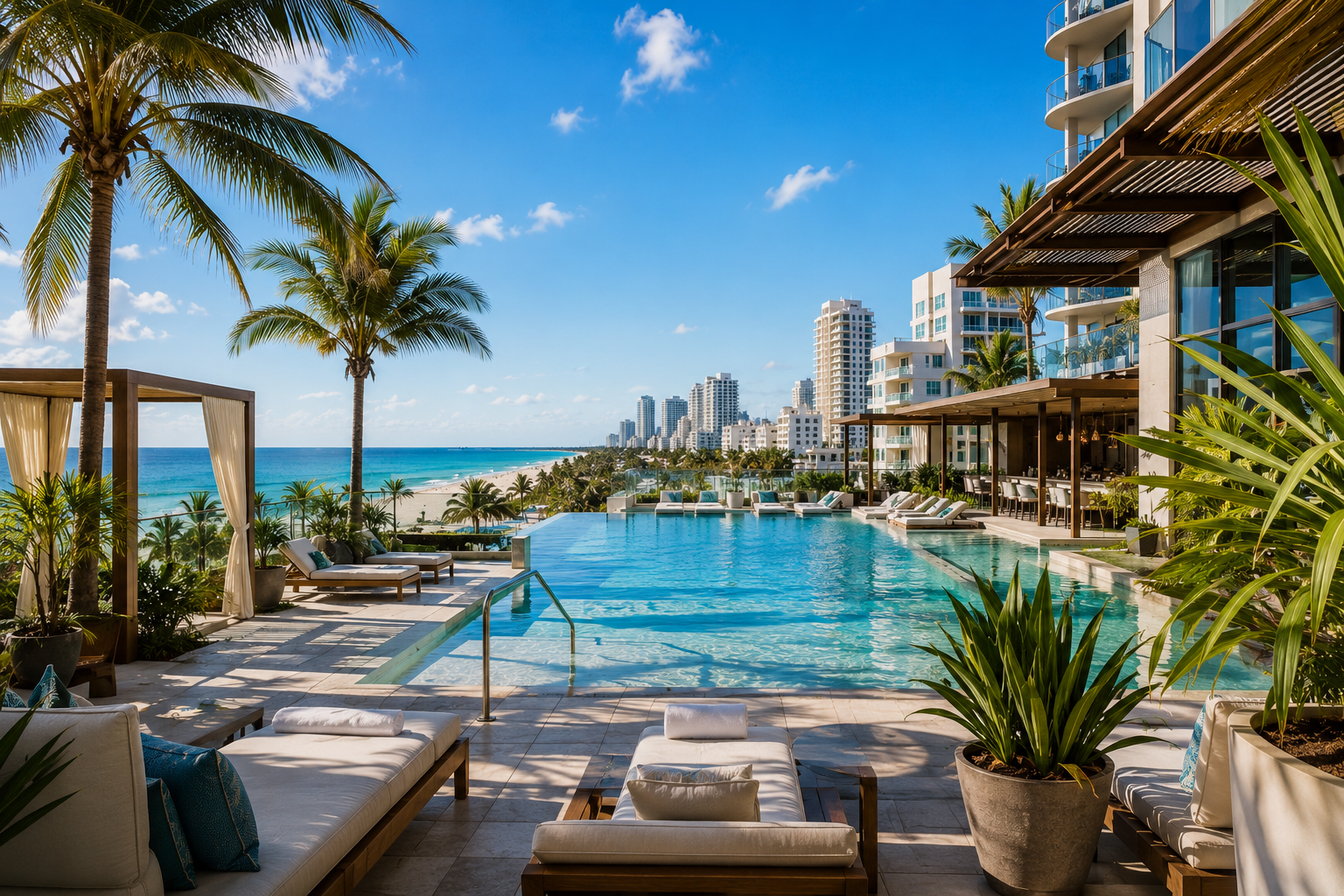
Does the destination connect naturally to the collection or campaign? Swimwear may align with Miami, while eveningwear may benefit from New York, Paris, Milan, or another fashion and cultural market.
Programming
Does the hotel already host fashion events, art experiences, culinary activations, wellness programming, or brand partnerships?
Business Potential
Could the partnership generate event revenue, room bookings, dining activity, merchandise sales, or meaningful publicity?
The better the alignment, the less the designer must work to convince the hotel that the partnership makes sense.
How to Build a Strong Pitch
A hotel partnership proposal should be visually polished, easy to understand, and focused on mutual value.
1. Open With the Concept
Explain the idea in a few strong sentences. State what the experience is, why it belongs at that particular property, and what makes it timely.
Avoid opening with a long history of the fashion brand. Give the decision-maker a reason to keep reading first.
2. Explain Why the Brands Fit
Identify the shared audience, aesthetic, values, location, or cultural connection.
Make the proposal specific to the property. A generic presentation sent to dozens of hotels is easy to recognize and easy to decline.
3. Define the Guest Experience
Describe what guests will see, feel, and do.
Will they attend a runway show, shop a capsule collection, meet the designer, receive an exclusive gift, experience a styled dinner, or participate in a private preview?
The hotel needs to understand how the collaboration improves the guest experience.
4. Present the Audience
Include relevant information about the brand’s customers, previous attendees, social audience, media relationships, buyers, creators, and partners.
Use accurate information. A smaller but relevant audience can be more valuable than inflated reach with no connection to the hotel’s clientele.
5. Outline the Marketing Plan
Explain how the partnership will be promoted before, during, and after the activation.
The marketing plan may include:
- Editorial coverage
- Press releases
- Social-media collaborations
- Professional photography and video
- Influencer or creator participation
- Email marketing
- Media invitations
- Red-carpet interviews
- Behind-the-scenes content
- Post-event recaps
The hotel should be able to see how one activation can become weeks of valuable content.
6. Make the Financial Structure Clear
State whether the proposal involves a venue rental, sponsorship, production exchange, revenue share, retail commission, room commitment, food-and-beverage minimum, or another arrangement.
Clarity creates confidence. It also prevents both sides from investing time in a partnership built on different expectations.
7. Show That You Can Execute
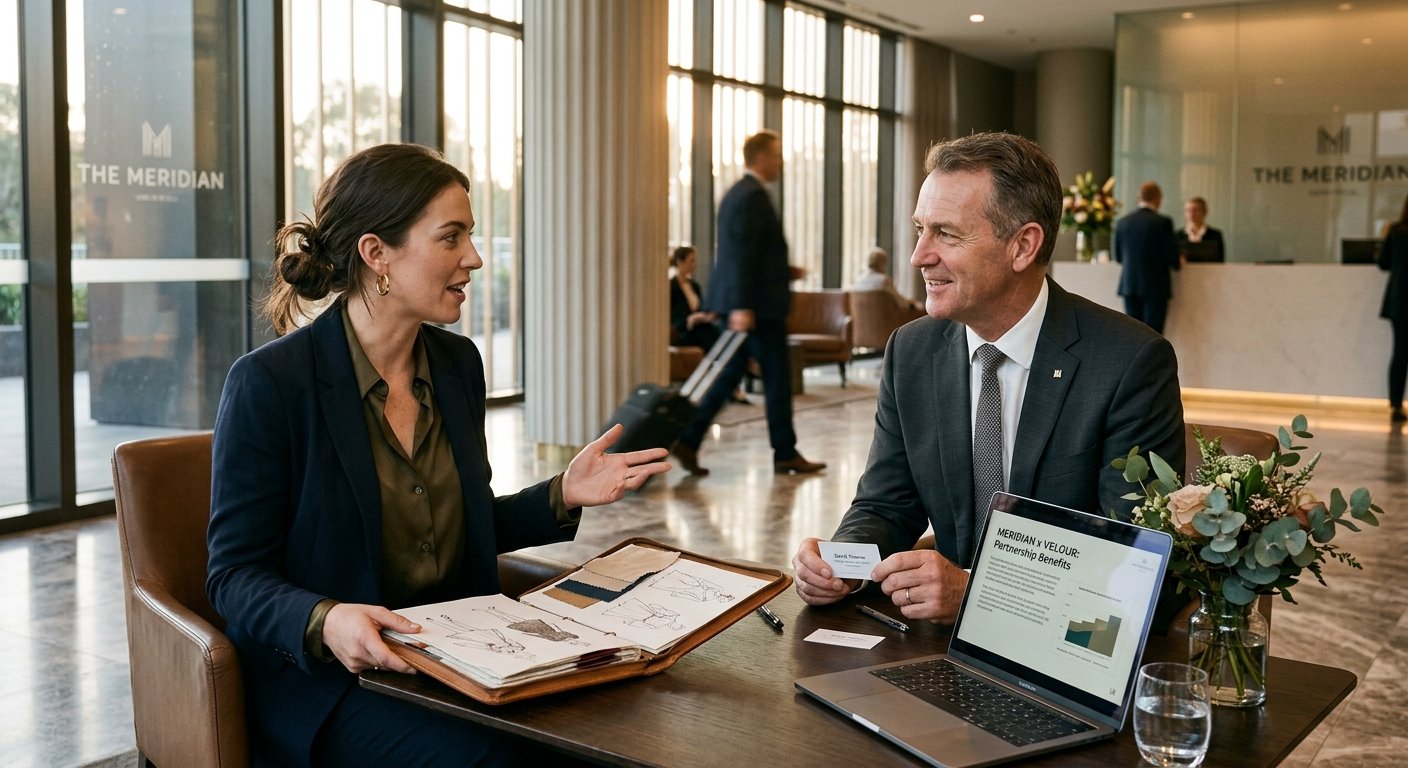
Include previous events, partnerships, press coverage, photography, attendance information, testimonials, and examples of professional production.
Hotels are protective of their guests and reputation. Creative ideas matter, but operational reliability often determines whether the deal moves forward.
A Simple Hotel Partnership Pitch
Hello [Name],
I’m reaching out on behalf of [Fashion Brand]. We would like to explore a partnership with [Hotel] centered around a curated [runway presentation, pop-up, capsule collection, or guest experience].
We believe this collaboration is a natural fit because [specific connection between the fashion brand, hotel, audience, or destination]. The experience would be designed to bring qualified guests to the property while creating professional content, social visibility, editorial opportunities, and a memorable experience for the hotel’s audience.
Our team would manage [production, talent, media, content, promotion, or retail operations], and we would be happy to develop a partnership structure that supports the property’s hospitality and marketing objectives.
May we schedule a brief conversation to share the concept and discuss potential dates?
The initial email should create interest—not explain every production detail. Once the hotel responds, the designer can provide a concise proposal or partnership presentation.
Start With an Experience You Can Deliver
A permanent boutique placement or hotel-wide transformation may sound impressive, but the best first partnership is often a well-executed event, trunk show, private dinner, or weekend pop-up.
A smaller activation allows both parties to evaluate the relationship. It can provide attendance data, content, sales information, guest feedback, and proof that the concept works.
That evidence makes the next proposal stronger.
The goal should not be to secure the largest possible collaboration immediately. It should be to create a successful first experience that gives both brands a reason to continue working together.
Editorial Storytelling Extends the Partnership
The physical activation may last one evening, but its story can continue much longer.
Editorial coverage can introduce the collaboration, explain why the brands came together, profile the designer, highlight the hotel, and document the experience afterward. Photography and video can then be adapted for social media, press outreach, sponsorship presentations, and future partnership decks.
This is where Industry Idols can add value. By connecting fashion, hospitality, events, photography, video, and editorial storytelling, the collaboration becomes more than a venue booking. It becomes a complete visibility campaign.
A strong story also helps audiences understand why the partnership matters. Without that context, even a beautiful activation can disappear into a crowded social-media feed.
Final Thoughts
Fashion houses partner with hotels because luxury is increasingly experienced across environments—not only inside stores.
Hotels offer designers atmosphere, access, credibility, hospitality, and direct contact with consumers. Fashion brands offer hotels culture, content, visual identity, retail possibilities, and new reasons for guests to engage with the property.
The best partnerships are not based on one brand borrowing another brand’s audience. They are built by creating an experience that becomes more valuable because both names are involved.
Designers who want to enter the hospitality space should begin with alignment, build a clear business case, present a polished concept, and demonstrate that they can deliver.
When creative vision and operational strategy support each other, a hotel can become far more than a venue—it can become part of the fashion house’s story.
References
[1] Luxury hotels are fashion’s favourite new collaborators. Here’s why. – https://luxurylondon.co.uk/style/hers/luxury-hotel-travel-fashion-collaborations-holiday-dressing-aman-ritz-net-a-porter/
[2] HOTELS x FASHION – the ultimate collaboration – Lexology – https://www.lexology.com/library/detail.aspx?g=12dddeb4-335e-400a-83c9-961a08185159
[3] How Hotels And High-End Brands Unite To Elevate Luxury Travel – https://www.forbes.com/sites/forbestravelguide/2025/02/07/hotels-and-high-end-brands-unite-to-elevate-luxury-travel/
[4] In Focus: Why luxury hotels are tapping into tie-ups with high-end … – https://www.aspiretravelclub.co.uk/insight/in-focus-why-luxury-hotels-are-tapping-into-tie-ups-with-high-end-fashion-brands
[5] Challenges and Risks in Co-Branding Smart Luxury Products – https://www.researchgate.net/publication/394094169_Challenges_and_Risks_in_Co-Branding_Smart_Luxury_Products
[6] (PDF) Synergies Between Fashion and Hospitality Evaluating … – https://www.researchgate.net/publication/410602261_Synergies_Between_Fashion_and_Hospitality_Evaluating_the_Effects_of_Co-Branding_on_Brand_Image_and_Consumer_Perception
Frequently Asked Questions
1. What if my fashion brand has never done a hotel collaboration before?
Focus on presenting a highly detailed pilot concept, such as a limited-run weekend showcase. Provide data on your brand’s existing customer demographics, social media engagement, and local market demand to demonstrate that your audience will actively visit the property.
2. Should I offer a hotel a free event to get the partnership started?
Instead of offering services without charge, propose a performance-based fee structure or a shared-risk model. This keeps the perceived value of your brand high while aligning both parties’ incentives around key performance indicators like food and beverage spend or ticket sales.
3. What venue fees should I expect when pitching a luxury hotel for an event?
Rental costs vary significantly based on the season, day of the week, and specific spaces utilized. Beyond the base rental rate, brands should budget for operational expenses such as dedicated security, specialized insurance coverage, custom lighting installation, and post-event restoration fees.
4. How is using a hotel different from renting a convention center for a runway show?
Hotels offer built-in hospitality services, overnight accommodations for VIP guests, and curated dining options that create a cohesive lifestyle experience. This integration allows brands to host multi-day activations where guests fully immerse themselves in the brand’s aesthetic.
5. Who is the right person to contact at a hotel about a partnership?
The ideal contact depends on the scope of your project. For retail pop-ups and brand takeovers, reach out to the Director of Marketing or the General Manager; for runway shows and dinners, the Director of Food and Beverage or the Events Director is often the primary decision-maker.
6. Do fashion-hotel partnerships work for mid-tier or three-star properties?
While the luxury segment dominates this space, mid-tier properties can successfully partner with contemporary or streetwear brands. The key is ensuring both brands share a similar target demographic and price positioning so the collaboration feels natural to consumers.
7. How can a fashion brand prove its credibility to a hotel before pitching?
Present a professional lookbook alongside detailed case studies of past events, retail pop-ups, or marketing campaigns. Including testimonials from previous venue partners, press clippings, and clear visual mockups of your proposed hotel activation will help build trust with the property’s management team.