The culinary world has moved past the era of standardized, corporate dining formats. In 2026, independent restaurant owners are spearheading a vibrant evolution in hospitality, proving that agility, authentic storytelling, and deeply personal connections are far more powerful than mass-market scale.
Breaking Away From Corporate Homogenization
While major chains rely on uniform menus and predictable formulas, independent operators are turning their unique independence into their greatest asset. Freed from rigid corporate oversight, neighborhood restaurateurs can pivot instantly, tailoring their spaces, service styles, and menus to reflect the distinct cultural heartbeat of their communities.
Core Shifts Driving the Independent Movement
- Hyper-Local Collaboration and Sourcing: Independents are deepening their ties with regional producers, organic micro-farms, and artisanal makers, ensuring that every plate tells a transparent story of origin and community.
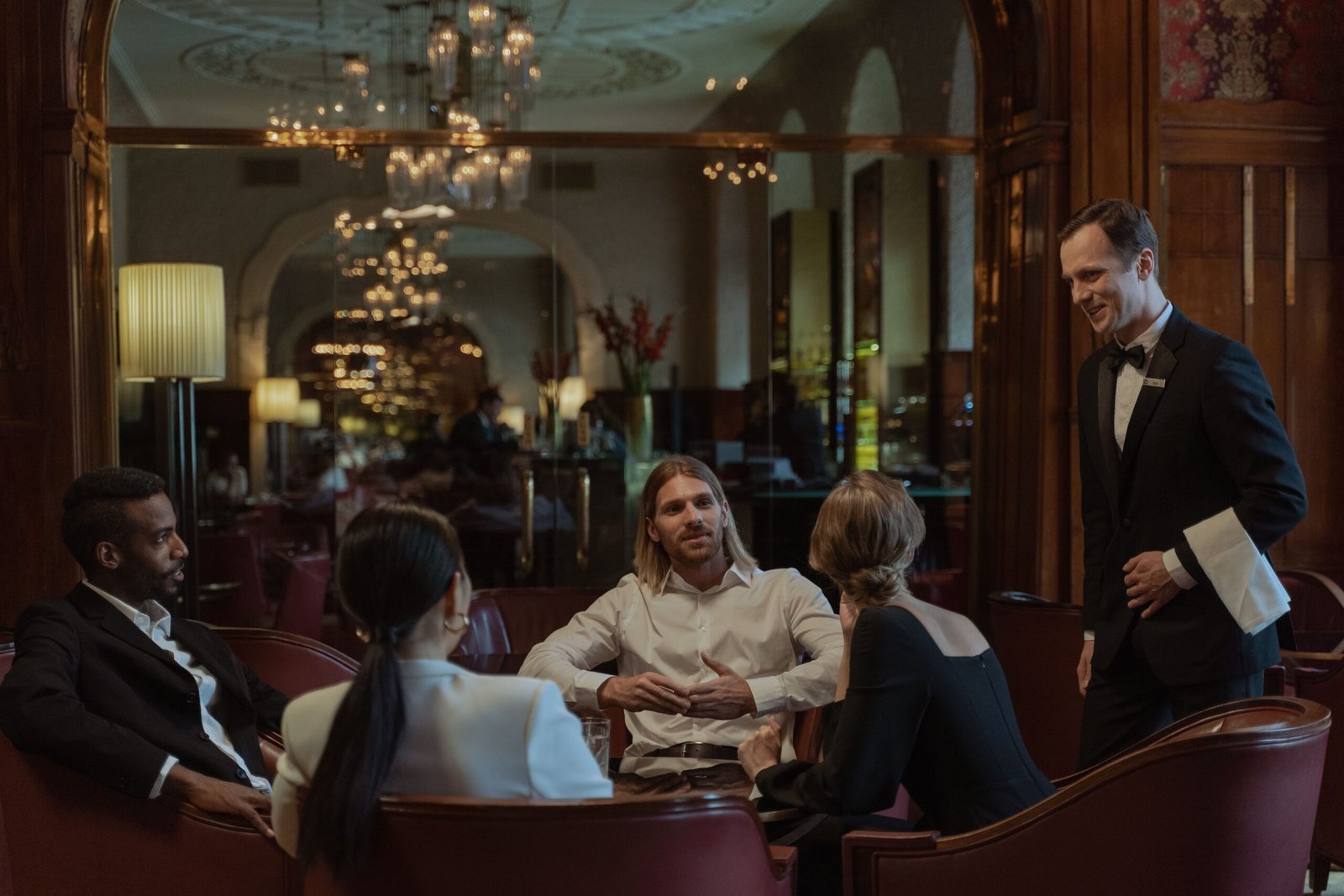
- Intentional, Multi-Sensory Environments: Dining rooms are increasingly designed as immersive sanctuaries. Owners are prioritizing acoustic comfort, custom local artwork, and mood-driven lighting that invite guests to linger and connect rather than treating tables merely as high-turnover assets.
- Smart, Invisible Technology Integration: Forward-thinking restaurateurs are adopting discreet back-of-house automation and streamlined reservation ecosystems. This technology handles inventory forecasting and seating flow seamlessly, freeing up front-of-house teams to focus entirely on genuine, high-touch human hospitality.
The Blueprint for Modern Culinary Success
For independent restaurateurs, success today is measured by emotional resonance. By rejecting mass-market uniformity in favor of uncompromised creativity, local storytelling, and heartfelt service, these operators are proving that the true soul of modern hospitality lives in independent hands.