Industry Idols Editorial Team
Getting attention is easy.
Getting people to remember who created the moment is much harder.
Brands today compete against an endless stream of advertisements, social posts, videos, influencer campaigns, product launches and promotional messages. Simply spending more money doesn’t guarantee that anyone will remember what they saw.
That’s where a well-designed publicity stunt can become powerful.
The best publicity stunts aren’t random attempts to go viral. They’re stories brought to life—designed to give people something surprising enough to talk about and journalists something interesting enough to cover.
But there’s an important distinction:
A memorable moment and a memorable brand are not necessarily the same thing.
If everyone remembers the stunt but nobody remembers the company behind it, the campaign may have generated attention without generating meaningful brand value.
The real objective is creating a moment people remember because of the brand behind it.
What Makes a Publicity Stunt Work?
A publicity stunt is generally a planned event, action or spectacle designed to attract public and media attention.
Unlike traditional advertising, where a company purchases exposure, publicity stunts are often designed to generate earned media.
That means journalists, creators, customers and social-media users voluntarily spread the story.
The concept isn’t new.
Brands have spent decades creating unusual moments specifically because unusual moments give people something to talk about.
But social media dramatically expanded the potential audience.
A stunt that once might have generated a newspaper story or local television segment can now become Instagram content, TikTok videos, YouTube coverage, memes and international news within hours.
That creates enormous opportunity—but also enormous risk.
The Story Has to Connect to the Brand
One of the easiest mistakes to make is creating something spectacular that has almost nothing to do with the company behind it.
Imagine a restaurant putting a giant elephant in the middle of downtown.
People might photograph it.
Traffic might stop.
Social media might explode.
But what does an elephant have to do with the restaurant?
Unless there’s a strong connection, the spectacle becomes more memorable than the business.
Now imagine that same restaurant is famous for creating enormous desserts and builds a twenty-foot version of its signature cake in the middle of the city.
Suddenly the spectacle and the product become one story.
That’s the difference.
A good publicity stunt doesn’t simply attract attention.
It communicates something about the brand while attracting attention.
Think Like a Journalist
Before launching a stunt, entrepreneurs should ask a deceptively simple question:
Would somebody write a story about this?
Businesses naturally believe their announcements are interesting.
A new menu is interesting to the restaurant.
A redesigned lobby is interesting to the hotel.
A new product is interesting to the company that created it.
But journalists have to consider whether those announcements are interesting to everybody else.
Publicity stunts can bridge that gap by creating an actual story.
Instead of:
“Restaurant launches new cocktail menu.”
Imagine:
“Miami restaurant creates a $10,000 cocktail experience served inside a vault for one night only.”
Now there’s curiosity.
Who buys it?
What’s inside it?
Why does it cost $10,000?
What does the experience look like?
Those questions create storytelling opportunities.
The stunt gives the media something to investigate rather than simply something to announce.
The Visual Matters
Modern publicity is increasingly visual.
Before somebody reads the article, they often see the photograph.
Before they understand the campaign, they see the Reel.
Before they know the story, they see the thumbnail.
That means brands should think about publicity moments visually from the beginning.
Ask:
What’s the photograph?
If the answer isn’t immediately obvious, the concept may need more work.
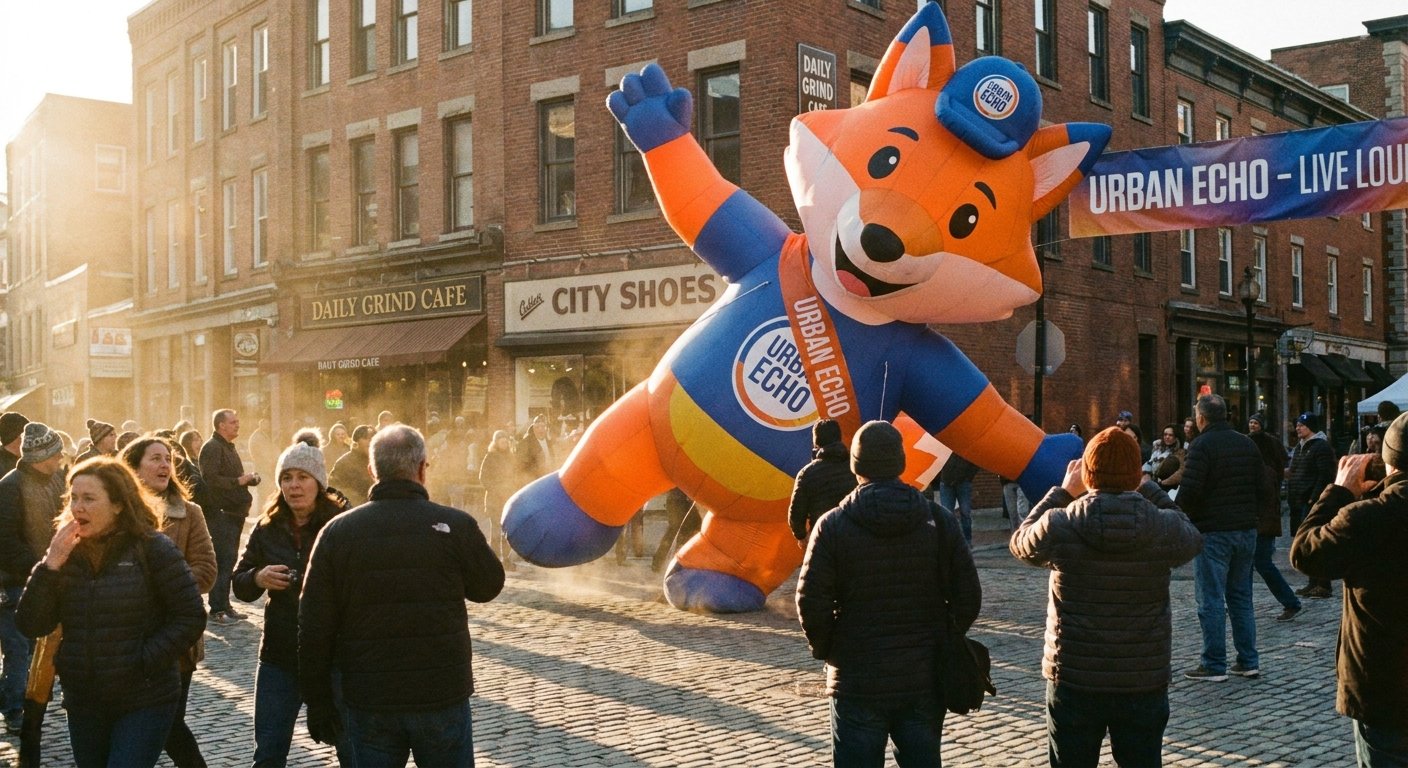
The strongest publicity moments often have one clear visual centerpiece.
It could be an oversized object.
An unexpected location.
A celebrity appearance.
A dramatic transformation.
An unusual collaboration.
A surprising product.
Or simply a beautifully staged moment that looks completely different from everything surrounding it.
The key is simplicity.
Someone scrolling quickly should be able to look at the image and immediately understand that something unusual is happening.
Big Budgets Aren’t Always Necessary
One misconception about publicity is that memorable campaigns require enormous budgets.
They don’t.
Money can increase scale, but creativity creates the story.
A small restaurant can create a newsworthy moment.
So can an independent fashion designer.
A nightclub can.
A jewelry company can.
A fitness brand can.
A local entrepreneur can.
Sometimes the most interesting campaigns happen because smaller businesses don’t have the advertising budgets of major corporations.
They’re forced to become creative.
Imagine a boutique hotel trying to promote a new rooftop.
Instead of spending its entire promotional budget on advertisements, the hotel could create an invitation-only sunrise breakfast above the city for local creators, photographers and journalists.
Now there is an experience.
There are photographs.
There are people documenting it.
There is exclusivity.
There is a reason for media to pay attention.
And most importantly, the hotel itself remains at the center of the story.
Publicity Stunt vs. Brand Activation
These terms are sometimes used interchangeably, but they aren’t exactly the same.
A publicity stunt is primarily designed to attract broad attention and media coverage.
A brand activation focuses more directly on getting consumers to interact with a brand.
Sometimes an event can accomplish both.
For example, imagine a luxury watch company placing an enormous functioning clock installation in a high-traffic destination.
The unusual installation could generate media coverage.
That’s publicity.
If visitors can interact with the installation, scan something to learn about the collection, photograph themselves inside it or attend an accompanying launch event, it also becomes an activation.
The strongest campaigns often combine the two.
Give the media a story and give the audience something to experience.
Timing Can Turn a Good Idea Into a Great One
A strong publicity concept launched at the wrong moment can disappear.
A clever concept connected to something people are already discussing can travel much further.
That might mean connecting a campaign to:
- Fashion Week
- Art Week
- Swim Week
- A major sporting event
- A movie premiere
- A cultural moment
- A holiday
- A major local event
- An industry conference
- A trending conversation
The goal isn’t to force the brand into every trend.
That usually looks desperate.
The goal is recognizing moments where the brand naturally belongs in the conversation.
When timing, relevance and creativity intersect, journalists already covering the larger story suddenly have another angle available to them.
Don’t Chase Controversy Just Because It Gets Attention
Controversy can generate enormous publicity.
It can also destroy trust.
There’s a difference between being provocative and being reckless.
Nightlife brands may have more freedom to push boundaries.
Luxury brands may benefit from mystery and exclusivity.
Family-oriented companies generally need a completely different approach.
A publicity stunt should feel like an amplified version of the brand—not a completely different personality invented because someone wanted to go viral.
Before approving a controversial concept, ask:
If the worst possible interpretation of this campaign became tomorrow’s headline, would we still be comfortable with it?
If the answer is no, rethink it.
Plan the Media Strategy Before the Stunt
Another common mistake is creating the event first and thinking about publicity afterward.
By then, much of the opportunity is gone.
Media planning should begin before the stunt happens.
Decide which journalists, publications, photographers, creators and local media outlets would potentially care about the story.
Prepare the basic materials in advance:
A short media advisory.
A clear explanation of what’s happening.
High-quality photographs.
Vertical video.
Founder or spokesperson quotes.
Background information about the company.
Contact information.
And most importantly, a simple explanation of why the story matters now.
Journalists shouldn’t have to work hard to understand the angle.
Make the story easy to tell.
One Moment Should Create Multiple Pieces of Content
A good publicity event shouldn’t disappear when the event ends.
One moment can become an entire content campaign.
The initial reveal becomes one story.
Behind-the-scenes footage becomes another.
The founder explaining the idea becomes another.
Customer reactions become another.
Media coverage becomes another.
A recap becomes another.
The strongest brands think beyond:
“What should we post today?”
They ask:
“How many stories can this one moment create?”
That’s where publicity starts becoming a long-term brand asset instead of a temporary spike in attention.
Measure What Happened Afterward
Going viral isn’t a business model.
Views can be impressive, but businesses ultimately need to understand what those views produced.
After a publicity campaign, companies can examine things like:
- Media mentions
- Social engagement
- Website traffic
- Branded searches
- New followers
- Customer inquiries
- Reservations
- Sales
- Leads
- Partnerships
- Overall sentiment
Different campaigns will have different objectives.
A new restaurant may care about reservations.
A fashion designer may care about media coverage.
A hotel may care about bookings.
An entrepreneur may care about credibility and visibility.
The measurement should match the objective.
The Most Important Question
Before spending money on a publicity stunt, ask:
When people tell somebody else about this tomorrow, what do we want them to say?
Not just:
“Did you see that crazy thing?”
But:
“Did you see what that brand did?”
That’s the difference between spectacle and strategic publicity.
The spectacle creates attention.
The story creates memory.
Turning Attention Into Brand Equity
The businesses that understand publicity best aren’t simply trying to become famous for a day.
They’re building a reputation over time.
One memorable campaign leads to another.
Media relationships develop.
Audiences begin recognizing the company.
Journalists know who to contact when they’re covering that industry.
Customers start associating the brand with a particular personality, experience or point of view.
That’s when publicity becomes bigger than a campaign.
It becomes part of the company’s identity.
For entrepreneurs, creators and growing brands, that can be incredibly powerful.
You don’t necessarily need the biggest advertising budget.
You need an idea people haven’t seen before, a story worth repeating, a visual worth sharing and a clear connection between the moment and the business behind it.
Because in a world where everybody is fighting for attention, creating noise isn’t particularly difficult.
Creating something people remember—and remember you for—is the real challenge.
Frequently Asked Questions
What is a publicity stunt?
A publicity stunt is a planned action, event or spectacle designed to generate public attention and potentially attract earned media coverage.
Does a publicity stunt need to be expensive?
No. Large budgets can increase scale, but originality, timing and relevance can be more important than spending.
What’s the difference between a publicity stunt and a brand activation?
A publicity stunt primarily seeks attention and media coverage, while a brand activation focuses on direct interaction between consumers and the brand. A campaign can accomplish both.
Should small businesses use publicity stunts?
They can, provided the concept fits the company’s identity, budget and audience. Smaller businesses can sometimes benefit substantially from earned attention because they don’t have the advertising budgets of larger competitors.
How should a company measure a publicity stunt?
Measurement depends on the objective. Businesses can evaluate media coverage, social engagement, website traffic, branded searches, leads, reservations, sales or other outcomes connected to the campaign.
What makes a publicity stunt newsworthy?
Strong concepts generally contain an element of novelty, timing, visual interest, cultural relevance, scale or human interest that gives journalists a genuine story rather than simply a promotional announcement.
This article is intended for editorial and informational purposes only.
References
[1] Smart Brands Turn Publicity Stunts into Memorable Stories – https://www.inc.com/ronica-cleary/smart-brands-turn-publicity-stunts-into-memorable-stories/91389451
[2] 11 PR Stunts That Turned Brands Into Media Sensations – https://www.trizcom.com/blog/11-pr-stunts
[4] The Top 50 Publicity Stunts – https://www.taylorherring.com/50-top-publicity-stunts/
[5] 10 of the Best (and Worst) Marketing Stunts of All Time – https://deviatelabs.com/resources/10-of-the-best-and-worst-marketing-stunts-of-all-time/
[6] Our Favourite PR Stunts of All Time & What Made Them … – https://www.dontpaniclondon.com/blog/pr-stunt-ideas-our-favourite-pr-stunts-of-all-time/
[7] The Best PR Stunts of 2025 | PR Blog – https://pr.co/blog/best-pr-stunts-of-2025
[8] What Is a PR Stunt? Agency Secrets Behind Viral Publicity – https://prlab.co/blog/the-ultimate-guide-to-publicity-stunts/
[9] Publicity Stunts – The Ultimate Guide – https://www.ereleases.com/publicity-stunts-the-ultimate-guide/
[10] The ultimate guide to PR stunts – Polymedia – https://www.polymediapr.co.uk/news-blog/the-ultimate-guide-to-pr-stunts/
[11] Publicity stunt – https://en.wikipedia.org/wiki/Publicity_stunt
[12] How to create a killer publicity stunt – https://artlist.io/blog/publicity-stunts/
[13] (PDF) Possibilities of using a “PR stunt” in strategic … – https://www.researchgate.net/publication/352478551_POSSIBILITIES_OF_USING_A_PR_STUNT_IN_STRATEGIC_COMMUNICATION_OF_HIGHER_EDUCATION