Key Takeaways
- Richard Mille’s RM 56-02 Sapphire Tourbillon sold all ten units at $2.2 million each before it reached a single store.
- Exclusivity drives demand when access is genuinely hard, the difference is easy to articulate, and the scarcity is visible to the people who matter.
- Richard Mille ships around 3,000 watches a year against Rolex’s hundreds of thousands, so supply is constrained by design.
- Each RM 56-02 case took 40 continuous days of machining, plus another 400 hours for the movement bridges alone.
- Material innovation, like grade 5 titanium and a cable-suspension movement, let a brand founded in 2001 compete with houses centuries older.
- Rafael Nadal wearing the RM 27-01, rated for 5,000g of shock resistance, sent an unmistakable signal to a global French Open audience.
- Private clubs, ultra-luxury hotel suites, and earned editorial coverage run the same scarcity mechanics as high-end watchmaking.
Quick Summary
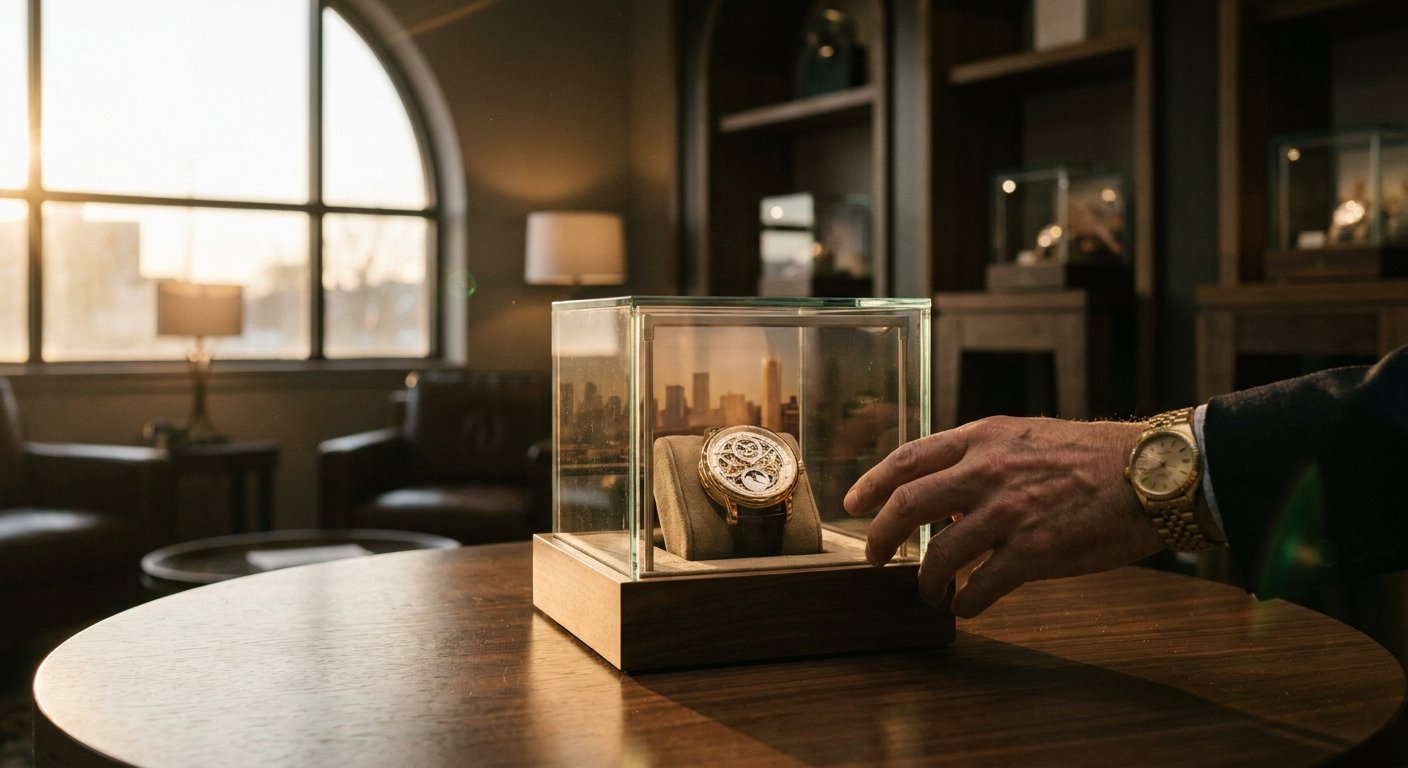
A $2.2 million watch sold out its entire run of ten before anyone could walk into a store. That isn’t just an expensive object. It’s a clean lesson in how scarcity, signaling, and storytelling build demand that has almost nothing to do with utility. The Richard Mille RM 56-02 Sapphire Tourbillon shows what happens when a brand makes access the product and treats the watch as the receipt. Each case took 40 continuous days of machining, plus another 400 hours for the movement bridges. That production story became the pitch.
Exclusivity sells when three things line up. Access has to be genuinely difficult. The difference has to be clear enough that a buyer can say why they want this and not the alternative. And the scarcity has to be socially legible, meaning the people who matter can read the signal. The RM 56-02 checks all three. Only 3,000 Richard Mille watches ship a year against hundreds of thousands from Rolex, so supply is structurally tight. The differentiation is material innovation, grade 5 titanium and a cable-suspension movement visible through sapphire, not centuries of heritage, which is how a 2001 startup competes with old houses. And when Rafael Nadal wears the RM 27-01 through the French Open, the watch shrugs off 5,000g of shock in front of a global audience. The signal reads instantly.
The same playbook, different price tags
The watch is not alone. Private clubs, ultra-luxury suites, and earned editorial placements all run variations of one move: control access, clarify who it’s for, then let the exclusivity become the story.
| Offer Type | Price Band | Scarcity Mechanism | Buyer Motivation | How Editorial Amplifies Value |
|---|---|---|---|---|
| Ultra-luxury watch (Richard Mille RM 56-02) | $2.2M | 10-unit production run, 40 days machining per case | Signal asset, technical craftsmanship | Coverage of sell-out before release makes scarcity newsworthy |
| Members-only club (Soho House, Zero Bond) | $2K–$5K annual | Application process, sponsor requirement, waitlist | Access to peer network, private spaces | Features on member profiles position club as cultural hub |
| Four Seasons Private Jet experience | $150K per person | 4 trips annually, 52 guests max per trip | Curated itinerary, status signaling | Travel media coverage frames exclusivity as aspirational |
| Premium PR placement (quote-based coverage) | Quote-based | Editorial discretion, pitch competition | Third-party validation, search visibility | The placement itself proves the brand passed editorial filter |
| Hermès Birkin bag | $10K–$500K+ | Years-long waitlist, relationship with sales associate required | Cultural capital, scarcity-driven resale value | Auction results and celebrity sightings reinforce mystique |
The pattern is plain: price alone doesn’t create exclusivity. A Rolex Daytona “Rainbow,” with its 36 baguette-cut sapphires on a 40mm 18-karat gold case, clears $500,000 at auction not because of material cost but because Rolex throttles supply to authorized dealers. Ferrari runs the same play, offering first access to loyal clients who already own several cars. The allocation becomes the luxury.
Where the story does the selling
This is the part most marketing teams miss. The value of a $2 million watch isn’t only in the titanium or the tourbillon. It’s in the story, the 400-hour finishing process, the fact that only ten exist, the coverage that turned the sell-out into proof of demand. As one wealth manager put it, “value is rarely found in abundance.” What he’s describing is a market where the narrative around scarcity drives the quality of inquiries more than any spec sheet.
Hospitality shows the same thing. An Aman property doesn’t need to advertise when Condé Nast Traveler runs a feature on its remote location and twelve-room intimacy. The editorial becomes the access filter, and readers who seek out that coverage self-select as the target audience. Premium PR placements work by the same logic: a brand that earns quote-based coverage signals it passed editorial scrutiny, a trust asset discount-driven channels can’t copy.
What actually moves the numbers
Tighten access first. Clarify who it’s for second. Then use storytelling to make the scarcity understandable rather than arbitrary. Brands often run that sequence backward, restricting supply without explaining why, which reads as gatekeeping. Richard Mille’s “the Formula 1 of watches” positioning works because the material-science story justifies the limit. The brand isn’t capping production to inflate prices. It’s capping production because each piece needs 40 days of machining. That distinction carries the premium.
When exclusivity becomes the strategy, three shifts tend to follow. Inquiry quality improves, because only serious buyers push through high-friction access. Close rates rise, because scarcity pre-qualifies interest, and people who wait years for a Birkin or apply to a club have already committed. Average deal size grows, not from arbitrary price hikes but because perceived value compounds when access is the product. These are directional patterns, not guaranteed percentages, but they hold across luxury categories.
The watch teaches one thing above all: the object was never the product. The allocation mechanism is. How few exist, who gets in, and why the waitlist matters, that’s what sells. Editorial coverage is what makes the mechanism legible to the audience that counts.
When scarcity becomes the product
When a house deliberately restricts its output, the scarcity becomes the product. Luxury economics runs on cultivating desire rather than maximizing volume, which inverts the usual pricing model. For high-end goods and ultra-premium hospitality, a higher price can lift demand, because the price itself signals membership in a group small enough to matter.
The pattern travels. A perfumer might limit a rare scent to a single flagship boutique. A bespoke automaker restricts output to custom commissions. In hospitality, an ultra-luxury resort caps occupancy at a handful of guests, or a members-only club keeps a waitlist measured in years. The guest experience quietly includes knowing who cannot get in.
The economics that run backwards
Standard economics says demand falls as price rises. Veblen goods work the other way: the demand curve slopes up because the high price carries information. Price becomes a social marker, not just a cost. When buyers weigh an expensive watch or an exclusive suite program, they read the price as a proxy for scarcity and for the peer group that can afford access.
Research on conspicuous consumption shows luxury brands command prices well above marginal cost, not for functional superiority but because the product signals wealth and status. Budget offerings get priced at cost. Luxury offerings get priced at what the market will bear, and the market bears more when access is genuinely restricted.
This only works when the differentiation is legible. A buyer has to be able to say why the product earns the premium, even if the reason is “only ten were made” or “the waiting list is two years.” Without that anchor, a high price reads as arbitrary rather than exclusive.
How overexposure quietly kills the signal
Brand positioning research warns that overexposure can dilute brand value, especially in digital markets. One fashion house that expanded too fast through department store distribution watched its premium positioning erode within eighteen months. The counterfeit trade, roughly $467 billion globally in 2021 by one luxury brand management analysis, poses the same risk: when a logo goes everywhere, the signal loses its edge.
Digital channels reward restraint. Hospitality brands have damaged their positioning by running broad paid campaigns that make a property feel available to anyone with a credit card. The luxury resale market is growing four times faster than the primary market, which means secondary visibility can undercut the exclusivity message if it isn’t managed.
Skip mass-reach tactics for ultra-premium offers. The goal is to be known by the right people, not known broadly. Editorial placements in niche titles work because they teach a small audience what to look for without making the offer feel democratized.
When the coverage becomes the access filter
When a highly anticipated release sells out before the public sees it, the scarcity itself is the news. Luxury consumption research shows the market drifting from status displays legible to everyone toward inconspicuous signals only insiders decode. The global luxury goods market is projected to reach $382.6 billion by 2025, growing at 5.4% a year, but that growth clusters among buyers chasing uniqueness and meaning rather than visible logos.
For high-end collectibles, private suites, and members-only clubs, the signal isn’t for everyone. It’s for the fraction who recognize the technical complexity of a build, or why a twelve-room resort costs more per night than a hundred-room property. Coverage in trade and vertical media teaches that audience what differentiates the offer without sounding like an ad.
That’s where trusted editorial storytelling earns its keep. Framed through a third-party lens, coverage carries a credibility self-promotion can’t match. A journalist explaining why a hospitality brand restricts bookings to returning guests is more convincing than the brand saying it. The story becomes the access mechanism: who can book, what the waitlist looks like, what qualifies a buyer for allocation.
In practice, earned visibility in the right publication can lift lead quality more than broad reach. When 96% of Chinese millennials expect their luxury spending to hold or rise, the opportunity is in shaping where that spending goes, not in reaching more people. A buyer who reads about the product in a vertical trade outlet arrives already understanding the positioning, which softens price sensitivity and lifts close rates on high-ticket offers.
The line between real scarcity and theater
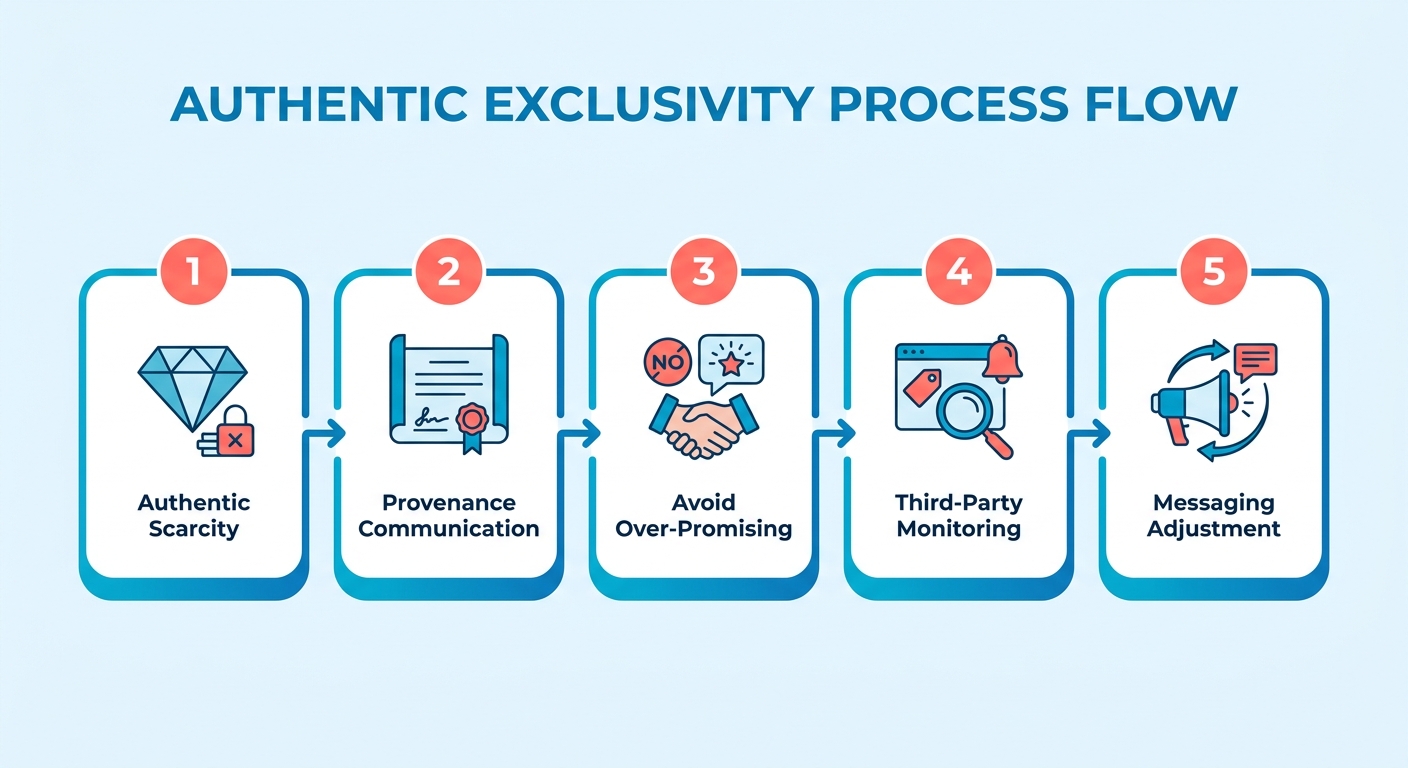
When buyers sense that scarcity is fabricated rather than structural, skepticism sets in, and it can erode trust faster than any discount. Luxury hospitality brands have learned this the hard way. A “limited availability” claim collapses the moment those rooms surface on third-party booking sites at lower rates. The psychology is simple: perceived scarcity lifts desirability when it’s tied to a genuine constraint, but when buyers catch manipulation, the damage compounds.
Fine winemaking draws the line cleanly. A prestigious vineyard limits annual production to the physical yield of a single hillside parcel, a decision rooted in terroir and weather. Another brand labels a mass-produced blend a “limited reserve,” ships millions of bottles, and discounts them months later. The first approach builds waiting lists. The second trains buyers to wait for sales.
When the constraint is real
Real exclusivity starts with operational truth. A boutique hotel with twelve suites cannot physically take more guests, which makes its scarcity legitimate. A nightclub with a 150-person capacity hits the same wall. Luxury brand management research shows that when brands name these constraints openly, the craftsmanship hours, the sourcing limits, the physical space, buyers read the premium as justified rather than arbitrary.
Editorial storytelling should reveal the standards that create scarcity, not invent drama around availability. When a high-end audio maker limits a flagship speaker to buyers who complete an acoustic consultation, that rule ties to performance and setup, not theater. It keeps workshop output and customer satisfaction in balance. Contrast that with a flash-sale countdown timer on a product with unlimited inventory. Buyers spot the difference at a glance.
Overexposure dilutes brand equity, especially when digital channels broadcast broad availability while the brand claims rarity. One spirits producer marketed a “collector’s release” with aggressive social ads and wide retail distribution, then struggled to hold premium pricing once buyers found it at discount chains. If distribution is broad, positioning can’t claim exclusivity without inviting skepticism.
When to drop the scarcity talk
Skip exclusivity framing if there’s no real constraint behind it, whether that’s production capacity, ingredient availability, trained staff, or physical space. A restaurant seating 200 can’t credibly claim scarcity unless it routinely turns away reservations. A hotel at 80% average occupancy should sell service differentiation, not limited access. Research on conspicuous consumption confirms that a higher price signals status only when buyers believe the product is genuinely hard to get. Without that structural truth, premium pricing reads as opportunism.
The trust cost of false scarcity shows up in behavior long before it shows up in revenue. A champagne house released a “reserve cuvée” positioned as rare, then flooded duty-free channels with the same bottling ahead of the holidays. Regular buyers noticed, and the brand spent the next two years walking back the reserve label to protect its higher tiers. Hospitality has the same story: properties that over-discounted through slow periods found it nearly impossible to restore premium positioning, because buyers had learned the “exclusive” rate was negotiable.
Why honesty compounds
Durable exclusivity storytelling focuses on what makes access difficult, not on manufacturing urgency. The strongest narratives document the real constraint behind the price, a property’s strict architectural preservation limits, or a spirit’s years-long aging requirement. Surfacing verifiable standards beats inventing drama around availability every time.
There’s a useful distinction here between premium utility and true luxury. Premium is about superior performance. Luxury signals the buyer’s capacity to transcend basic needs. That second signal only holds when the scarcity is verifiable.
The hospitality brands that keep their premium positioning do it by aligning their access model with operational reality. A private club with 300 members and a 20-year waitlist can claim exclusivity because the constraint is visible and enforceable. A resort with dynamic pricing and aggressive OTA distribution cannot, even if it calls itself boutique. The difference is operational honesty, and buyers reward it with repeat visits and referrals rather than one-off transactions chased by discount alerts.
Turning the making into the story
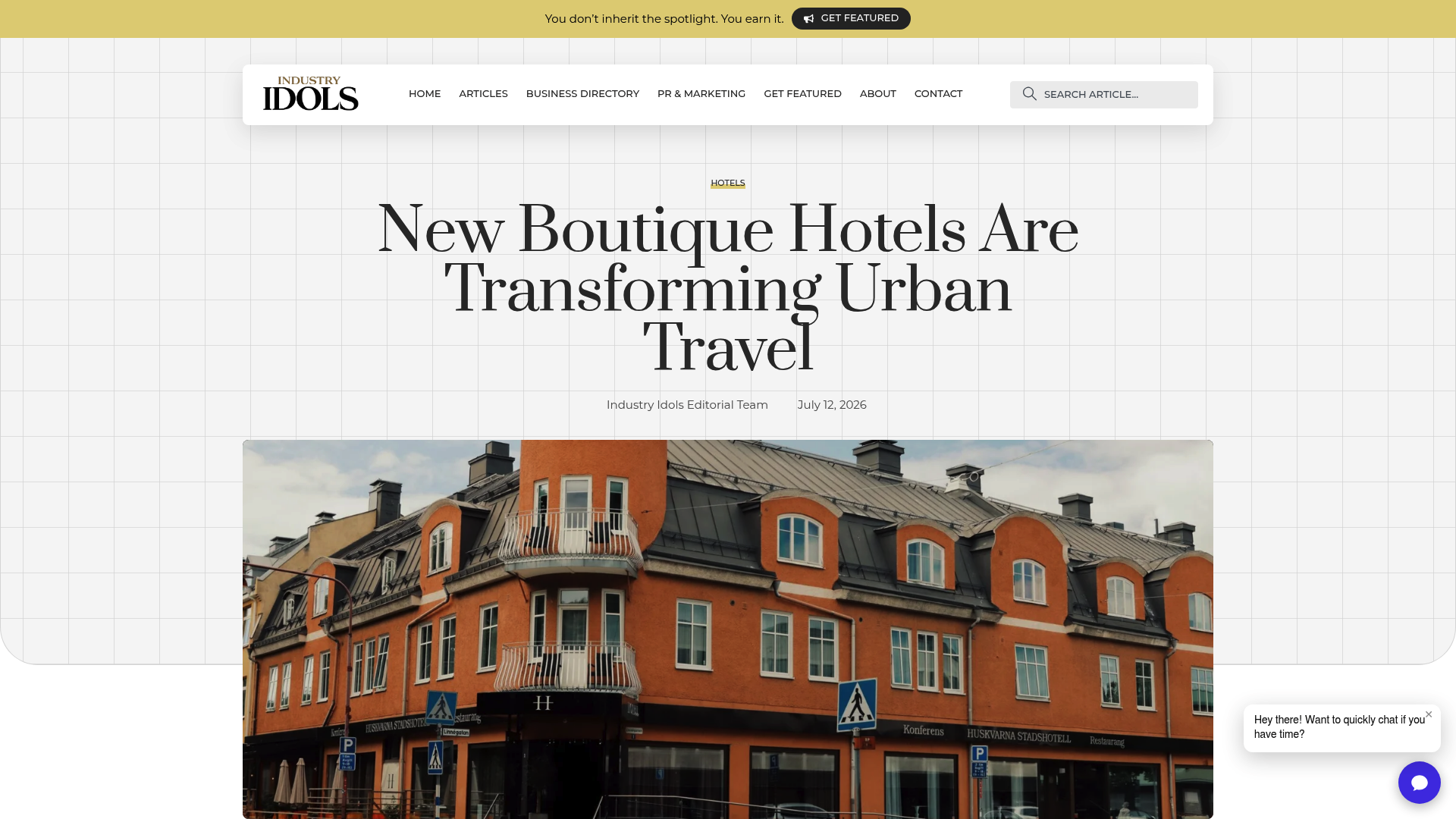
Editorial storytelling is the translation layer that turns rarity into demand. A brand can’t just declare itself exclusive. It has to show craft, provenance, and standards through a narrative buyers can repeat to each other. The retelling is where the value gets fixed.
Look at what makes a watch sell before it hits the display case. It isn’t the specs alone. It’s the story of the making. One seven-figure timepiece carries over 1,000 components and 21 patents, took eight years to develop, and produces only two units a year. Those numbers are the narrative. A watch expert called Blancpain’s Grande Double Sonnerie “a proof to the pinnacle of horological craftsmanship.” That framing does the selling.
Why editorial beats advertising
Editorial earns belief because it talks about constraint, not urgency. Advertising shouts discounts and countdown timers. Editorial describes the hand-assembly, the multi-year development arc, the strict annual production ceilings. One creates pressure. The other creates understanding.
Across hospitality and lifestyle brands, buyers pay premium prices when they can explain the constraint to a peer. The narrative has to move past functional benefits to show how the purchase is a choice untethered from utility. Editorial coverage is how that signal gets legible.
When production becomes heritage
For brands without decades of legacy, the making process becomes the heritage. Modern innovators compete on material science instead of centuries of tradition. By leaning on aerospace-grade composites, extreme shock testing, and record-breaking thinness, a young brand can build authority fast.
When a high-performance athlete tests a prototype in live competition, that isn’t an ad. It’s a story a journalist can verify and retell. The scarcity lives not only in units produced but in the story of production itself. Editorial features carry that story further than any ad buy, because a third-party byline signals validation the brand can’t claim about itself.
That’s the practical opening for hospitality and luxury operators. Earned coverage in a respected title is a premium visibility asset, not a vanity metric. The founder, the chef, or the hotel operator becomes the face of the standard. Their voice in a feature justifies the price in a way no rate card ever will.
Measuring the story, not the reach
Measure message pull-through and audience relevance over raw impressions. A million eyeballs on the wrong audience does nothing. A single feature that lands the craft story in front of the right buyers moves demand.
Judge coverage by three things: did the piece carry the actual standards, did it reach people who can afford the offer, and did the outlet’s credibility transfer to the name? Skip dashboards that count reach and ignore relevance. For luxury positioning, the quality of the retelling is the whole game.
What the $2 million watch is really selling
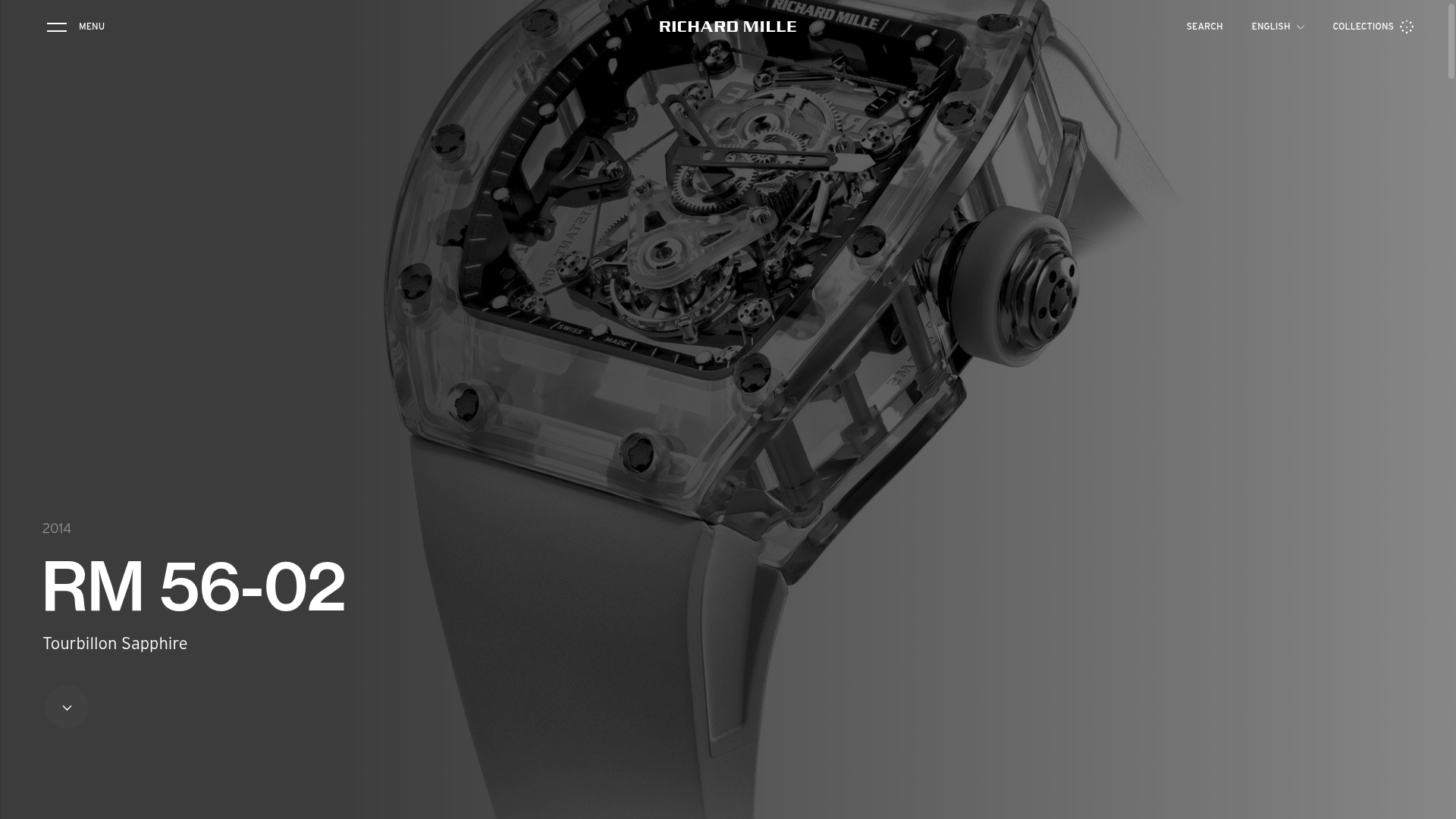
High-end timepieces don’t sell because they keep better time. They sell because the price is the message. When demand rises alongside the price, the usual laws of economics flip, and the purchase becomes a marker of status rather than utility.
Here’s the counterintuitive part. The most exclusive luxury assets have stopped being about visible flash and turned into a coded handshake, recognizable to a small circle and invisible to everyone else. That’s the same play a private club or invitation-only table runs when it sells access.
Why rarity carries the price
Rarity works because the object is engineered to be unattainable before it exists. Some houses gate the purchase itself, requiring a documented buying history before a client is even offered the flagship piece. The waitlist for a hyped model can run years, and the maker treats that queue as a feature. Scarcity is the product. The watch is the receipt.
The secondary market proves it in hard numbers. A Patek Philippe Grandmaster Chime reference sold for roughly $31 million at a 2019 charity auction, a figure untethered from any material cost. Celebrity wrists, from Mark Wahlberg to Cristiano Ronaldo, did the rest. That’s social proof doing pricing work.
Celebrity wear functions like a single high-authority feature. One placement in the right outlet builds legitimacy no broad ad buy can match. Provenance is the story. The price is the punchline.
Can exclusivity and reach coexist?
Research says overexposure dilutes brand value, yet top-tier makers deliberately cap output at a fraction of rivals’ volume and treat that as an advantage. Both can be true, because access is the narrative, not the inventory.
A brand can flood the world with the story of its manufacturing process without ever making the object widely available. Coverage of a sell-out makes the scarcity itself newsworthy. The waitlist becomes the marketing.
There’s a live tension worth naming. Some studies argue luxury is shifting from conspicuous display toward inconspicuous, uniqueness-seeking consumption. Ultra-high-end objects resist that shift. They stay conspicuous, just to a smaller, fluent audience. Invisible to the masses, unmistakable to the elite.
What hospitality can take from it
The same allocation mechanics run every premium venue. A limited suite category, a private membership, or a table you can’t book online works exactly like an automaker offering its newest concept cars to its most loyal collectors first. The relationship required to get in is the luxury.
Skip this playbook if the offer is genuinely abundant. Manufactured scarcity around a room anyone can find on a booking site reads as a lie. The mechanic only holds when the constraint is real and the story is true.
What the clubs and the suites know about pricing
Private membership clubs run on an allocation model that has little to do with capacity and everything to do with curation. When a New York club charges a $50,000 initiation fee plus $15,000 a year and holds a multi-year waitlist, the economics are inverted. The club could fill the roster overnight by dropping the fee or opening enrollment, but that would destroy the product. The buyer isn’t purchasing a lounge chair or a meeting room. They’re purchasing the fact that most people cannot get in.
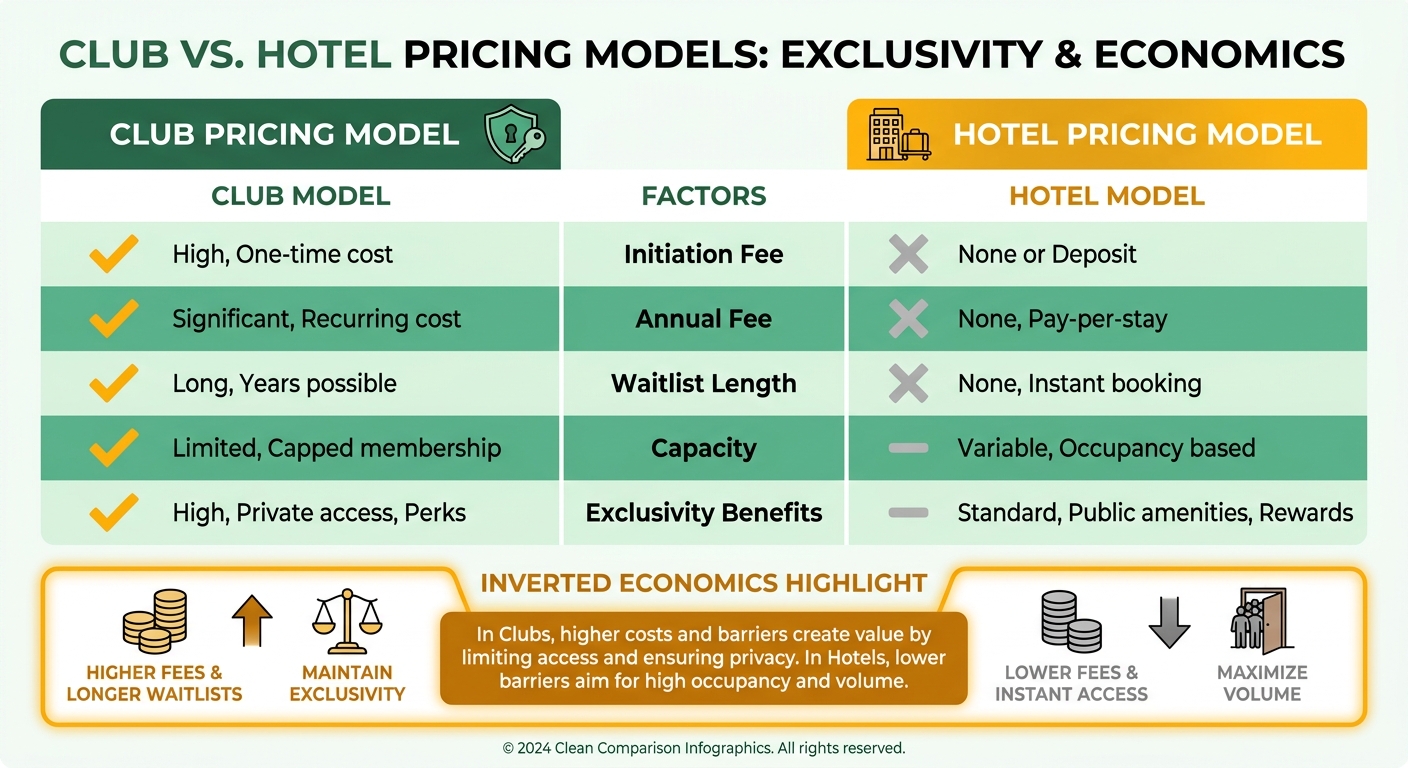
The same structure shows up in ultra-luxury suites, where inventory restriction supports rates that defy standard yield management. A presidential suite at a top property might run $25,000 to $40,000 a night when a standard room at the same hotel costs $800. The suite isn’t 50 times larger or better appointed. It’s materially scarcer. One luxury hospitality operator explained that capping suite inventory at two or three units per property lets the hotel sell those rooms as allocation-based rather than availability-based, and that distinction changes buyer behavior entirely.
That shift, from availability-based to allocation-based, is what separates high-end collectibles and ultra-luxury hospitality from premium-but-accessible brands. The mechanism is structural scarcity enforced through guest vetting, referral requirements, and minimum spend thresholds. A club that allows walk-in day passes or discounted trial memberships signals that access is transactional rather than earned, which collapses the social filtering that gives membership its value.
How the waitlist earns its keep
A waitlist isn’t a queue. It’s a sorting mechanism that lets the brand decide who enters and when, which means it can reject applicants even when capacity exists. One private club reportedly turns away roughly 40% of applicants despite open spots, because vetting prioritizes cultural fit and referral networks over revenue. That rejection rate becomes part of the story, proof that membership isn’t for sale to anyone with the fee.
The hospitality version is the suite guest who books through a relationship manager rather than an online engine. When a hotel limits suite access to repeat guests, top loyalty tiers, or client referrals, the suite becomes a reward for prior spend rather than a product anyone with a credit card can grab. The barrier makes access feel earned.
Vetting also guards against buyer’s remorse. A prospect who waits eighteen months and completes a referral-based application has invested enough social capital that walking away after approval carries reputational cost. The friction is the feature. It ensures only committed buyers enter, which cuts churn and keeps the group coherent.
Why a discount is a confession
Discounting a luxury product signals that the scarcity was performative rather than structural, and recovery is slow. One hotel group found that a 30% promotional rate on suites during a slow season eroded the perception of exclusivity for years, because full-rate guests felt they’d overpaid while new guests learned to wait for promotions rather than book at the published rate. The discount announced that the inventory wasn’t actually scarce.
Membership clubs see the same dynamic with limited-time enrollment deals. A club that waives the initiation fee or discounts first-year dues is admitting the waitlist is artificial and access is available to anyone willing to wait for a sale. Promotional pricing turns allocation into a clearance event.
The revenue hit isn’t immediate. Discounting fills rooms and adds members in the short term. The damage lands in year two and three, when full-rate buyers stop materializing because the market has learned that patience gets rewarded. A brand that trains buyers to wait for promotions has converted itself into a premium brand with luxury pricing, and reversing that takes years of rate discipline.
Treating coverage like an invitation
Media placement works like suite allocation when the brand treats coverage as curated rather than broadcast. A private club that grants one or two journalists a year access for long-form profiles keeps the sense that it’s newsworthy but not broadly accessible. The coverage teaches a narrow audience what to look for without making the product feel democratized.
It mirrors how ultra-luxury watchmakers use editorial. They don’t chase mass awareness. They place detailed technical stories in publications read by collectors and investors, so the signal reaches the audience equipped to decode it. The symbolic value holds because the right readers know exactly what the price represents.
For hospitality brands, selective PR means saying no to most requests and focusing on placements that reinforce the exclusivity narrative rather than drive direct bookings. A feature in a luxury lifestyle title read by 50,000 people who will never stay at the property beats a booking-engine promotion seen by five million, because the first builds aspiration while the second trains buyers to expect deals.
What a venue can borrow from a watchmaker
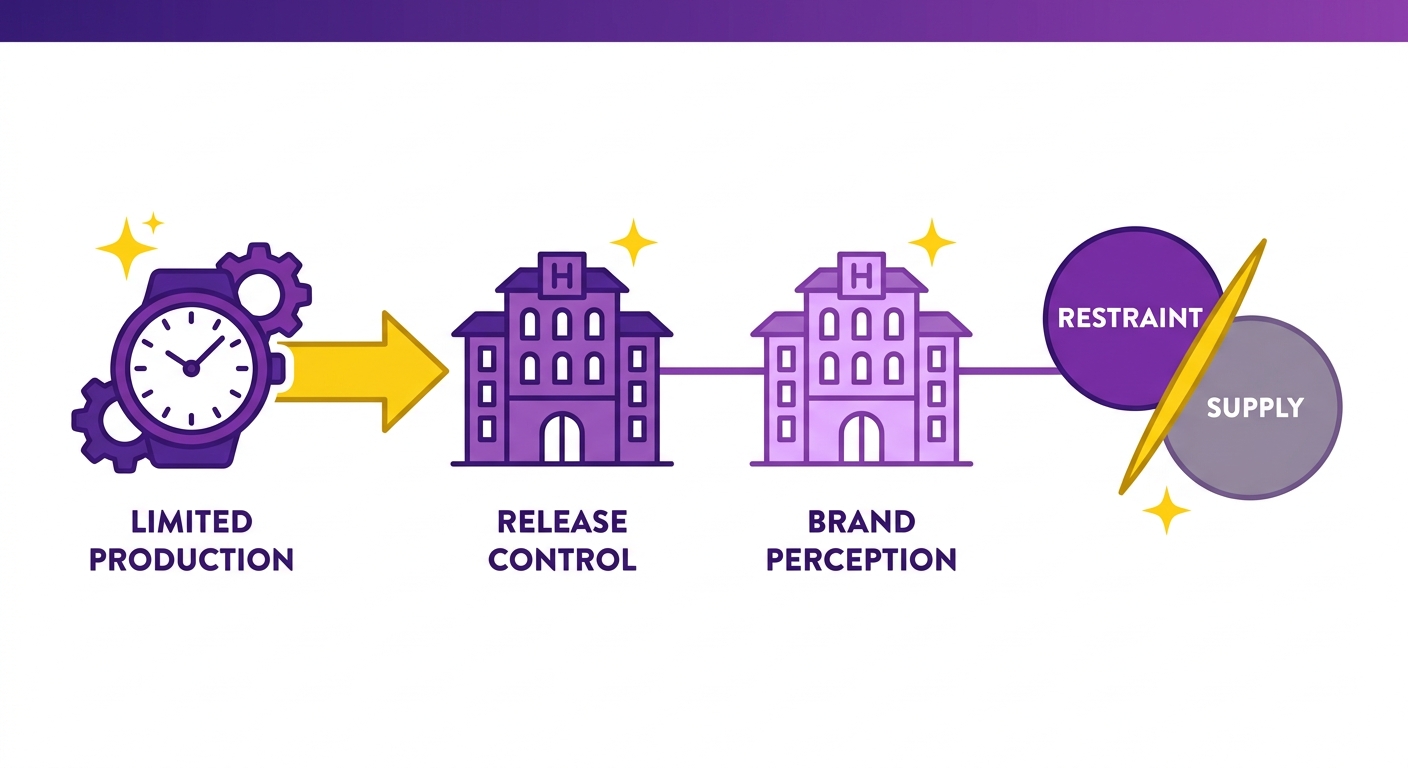
The most useful lesson from watchmaking isn’t the price tag. It’s the discipline behind it. A manufacturer that deliberately limits annual output while rivals ship hundreds of thousands proves that restraint is a positioning choice, not a supply problem. A venue can borrow that logic without a seven-figure invoice.
The watch playbook translates straight to hospitality: control the release, filter the audience, and let the craft do the selling. Three moves work, plus one clear warning about when to walk away.
Turning limited inventory into a waitlist
Reserve inventory works when access is capped to a specific room, table, or night and never quietly reopened. A chef’s table for eight, a single private dining room, or a handful of suites held back from third-party sites creates the same structural scarcity a numbered watch edition does.
Think about how limited drops move. When a highly anticipated release sells out before reaching the public, the allocation itself becomes the product.
Apply that to a seasonal experience. A twelve-seat tasting menu released one month at a time, with a real waitlist, does more for perceived value than a room that always fills. Offering priority to loyal patrons first makes the allocation feel like a reward. The membership feeling comes from who gets asked, not from the object.
Guest lists and bottle minimums, done right
Yes, when the filter is genuine and consistent. Guest-list-only nights and table minimums act as an audience filter, the same way restricted retail locations do for luxury goods. The point is curation, not just revenue.
Numbered items and restricted access communicate scarcity clearly. A room you can’t walk into signals membership. That’s why an invitation-only event with a firm cap outperforms a bigger night with open doors on brand terms.
Pair the filter with a founder-led narrative. Craft is the new heritage. A product selling on the complexity of its build is really selling provenance. The venue’s version is the story of who built the room, the sourcing, the standard nobody’s willing to break.
When to skip manufactured scarcity
Skip false scarcity if the business needs volume to survive, or if it can’t hold the line on discounts. Overexposure and quiet discounting dilute brand value faster than a slow month ever will.
There’s a real tension here. One school says luxury brands must balance exclusivity with accessibility to avoid dilution. Yet extreme-scarcity brands never make the product accessible at all.
The resolution: make the narrative accessible, not the product. Media coverage, editorial storytelling, and public waitlists can travel widely. The table, the suite, the night stays capped. As one wealth manager put it, “value is rarely found in abundance.” Refuse to overbook. Refuse to overpublish. That restraint is the strategy.
References
[1] Richard Mille’s $2 Million Watch Already Sold Out – https://www.nbcnews.com/business/consumer/richard-milles-2-million-watch-already-sold-out-n156501
[2] An Australian Collector Is Auctioning Off $2 Million Worth … – https://robbreport.com/style/watch-collector/australian-collector-watches-rolex-daytona-rainbow-1238439268/
[3] How a $2 Million Dollar Watch Is Made – https://teddybaldassarre.com/blogs/exclusive/how-a-2-million-dollar-watch-is-made?srsltid=AfmBOooYsJxD3bHAjg08Qpvwmu3JAqatvQUPjA3yr4kiN4qB4xCNjilA
[4] Richard Mille’s $2 million watch already sold out – https://www.cnbc.com/2014/07/15/richard-milles-2-million-watch-already-sold-out.html
[5] The Role of Exclusivity and Scarcity in Luxury Brand Positioning – https://www.researchgate.net/publication/404667728_The_Role_of_Exclusivity_and_Scarcity_in_Luxury_Brand_Positioning
[6] The economics of exclusivity: why scarcity drives value in luxury – https://www.lgtwm-us.com/en/insights/lifestyle/economics-of-exclusivity-314856
[7] Luxury brand management: keeping exclusivity in a competitive market – https://www.glion.edu/magazine/luxury-brand-management/
[8] Luxury Marketing: A Deep Dive into High-End Branding – https://sothebysinstitute.com/articles/how-to-series-luxury-marketing/
[10] Veblen good – https://en.wikipedia.org/wiki/Veblen_good
[11] The Veblen effect in luxury: high prices boost brand appeal – https://www.supdeluxe.com/en/luxury-news/veblen-effect-luxury-high-prices-boost-brand-appeal
[12] Veblen Effects in a Theory of Conspicuous Consumption – https://www.researchgate.net/publication/4980724_Veblen_Effects_in_a_Theory_of_Conspicuous_Consumption
[13] Going (in)conspicuous: antecedents and moderators of luxury … – https://pmc.ncbi.nlm.nih.gov/articles/PMC8853149/
Frequently Asked Questions
1. Why does limiting annual production make a luxury brand more desirable than competitors producing high volumes?
Structural scarcity creates a verifiable constraint that buyers can articulate to peers. When production is limited by genuine operational bottlenecks—such as the time required for hand-finishing or complex machining—the restriction feels authentic rather than artificial. This justifies premium pricing and builds waiting lists instead of training buyers to wait for discounts.
2. How does technical innovation help a newer brand compete against centuries-old heritage houses?
Advanced engineering and modern materials provide differentiation that bypasses the need for heritage. This shifts the conversation from legacy storytelling to measurable performance specifications, giving newer brands a narrative anchor that doesn’t require a hundred-year history to justify its value.
3. What makes a high-performance athletic partnership different from typical celebrity endorsements?
When a product is worn during actual competition, the endorsement functions as a live durability test rather than a posed advertisement. That real-world validation carries more weight because the performance claim is demonstrated in real time, turning the placement into a verifiable story instead of a paid promotion.
4. Why does a high price sometimes increase demand for luxury goods instead of reducing it?
Price functions as social information when buyers evaluate high-end assets. A premium price signals membership in an exclusive group, meaning the cost itself becomes part of the value proposition. This mechanism only works when the price is anchored to genuine scarcity and buyers can explain the constraint to peers.
5. What happens when a luxury brand makes its product too widely available through digital channels?
Overexposure dilutes the exclusivity signal that justifies premium pricing. When a brand expands its distribution too quickly, the broad accessibility makes the product feel democratized, which undermines the buyer’s ability to signal status through the purchase.
6. How does editorial coverage create more value than advertising for ultra-premium offers?
Third-party editorial carries credibility that self-promotion cannot replicate because it signals the brand passed an independent filter. When a journalist explains why a resort restricts bookings or details the complex craftsmanship behind a product, that validation educates buyers on what differentiates the offer without making it feel promotional.
7. What operational constraint should a brand verify before claiming exclusivity in its positioning?
The brand must point to a real limitation—such as physical space, raw material availability, or labor-intensive production methods. Without a verifiable constraint, exclusivity language reads as manufactured urgency rather than structural truth, which can erode consumer trust.
This article is intended for editorial and informational purposes only.