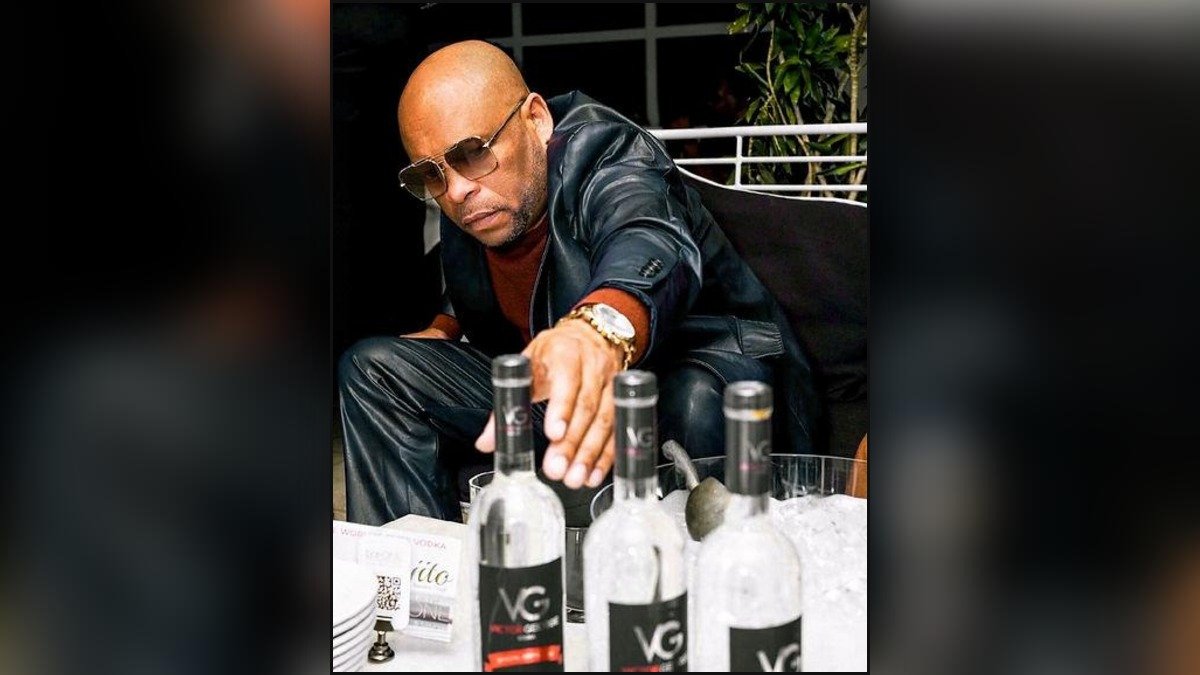
You don’t inherit the spotlight. You earn it.

From Spirits to Hospitality: Victor Harvey Plans the First Victor George Hotel in Fort Lauderdale

Key Takeaways

  • Victor George will open a hotel in Fort Lauderdale directly across from its distillery, restaurant, and bar on Sistrunk Boulevard.
  • The hotel targets affluent millennials and Gen-X travelers who want curated nightlife paired with wellness amenities.
  • The development creates a complete Victor George district where guests can tour the working distillery, dine, drink, and stay overnight.
  • The hotel emphasizes authenticity and neighborhood connection over sterile luxury, reflecting the brand’s spirits heritage throughout guest rooms.
  • Modern boutique hotels increasingly build around experiential pillars: signature food and beverage programs, art-infused rooms, wellness amenities, and community events.

The Hotel Is Coming to Sistrunk Boulevard

Screenshot: Screenshot of the Miami Herald article announcing the hotel and showing images of the Victory Building.

The upcoming Victor George Hotel sits directly across from the brand’s existing distillery, restaurant, and bar development on Sistrunk Boulevard. Guests can tour the distillery, eat dinner, then walk across the street to check into rooms designed around the brand’s spirits heritage. It’s a unified destination rather than scattered locations.

Who’s Staying Here

The target guest is active, experience-driven, and values immersive nightlife. Someone who might enjoy a late-night rooftop cocktail and follow it with a morning recovery session. They want authenticity over sterile luxury and seek genuine connection to the local neighborhood rather than an insulated resort experience.

What the Experience Looks Like

Modern boutique hotels build around core experiential pillars: signature food and beverage programs that extend beyond the main venue, art-infused guest rooms that reflect local creative energy, wellness-focused amenities for guests who balance indulgence with recovery, and community-driven events that bring locals and travelers together. Each element reinforces the others. Your room becomes a gallery, your evening includes craft cocktails, your morning starts with a wellness ritual designed to complement the night before.

The most memorable boutique properties integrate local art and neighborhood history into every corner. Art isn’t decorative in these spaces—it’s narrative. Independent hotels also embrace hyper-local partnerships with artists, wellness practitioners, and neighborhood cultural programming to create stays that feel distinct and authentic.

Successful boutique hotel brands articulate their positioning clearly—whether it’s “Where heritage spirits meet modern hospitality” or another differentiating statement—and use that vision as a filter for every design decision, every partnership, every guest touchpoint. If it doesn’t honor the brand’s roots while pushing hospitality forward, it doesn’t make it into the property.

This article is intended for editorial and informational purposes only.

What We Know and What We Don’t

The distillery, restaurant, and bar are confirmed. The guest profile and hospitality vision are outlined. But when it comes to the hotel itself—room count, nightly rates, opening date, specific amenities—those details haven’t been publicly announced yet.

What’s Confirmed

The hotel occupies a 1927 structure with protected heritage status. That designation shaped every part of the approach. The building sits on a 0.85-acre lot with roughly 15,000 square feet of usable space, and architectural plans call for four floors of guest rooms, a rooftop lounge, and ground-level retail that ties directly into the distillery and restaurant across the street.

Zoning clearance came through in April 2024 after a public hearing with local development officials. That process took longer than expected—preserving a historic structure while meeting modern hospitality codes required multiple rounds of design revisions—but it also forced a harder look at what this hotel should be. A Phase II environmental assessment confirmed no asbestos, which streamlined the construction timeline and removed one of the biggest potential delays.

What’s Still Under Wraps

Room count, pricing, and the exact opening date are being finalized. Supply-chain issues, permit delays, and labor shortages can push timelines in Fort Lauderdale’s hospitality sector. Rather than announce a date that can’t be guaranteed, the team is working through construction milestones first and will share specifics once they’re locked.

One commitment that’s been made public: at least 70% of construction labor will be hired locally, working with community partners to ensure this project creates jobs for people who already live here, not just import crews from outside the city. That pledge came from conversations with the Sistrunk community, where local hiring mattered.

Inside The Victory Building

Screenshot: Screenshot of the Westside Gazette article featuring photos from the innovative ceremony.

The development at 1017 Sistrunk Boulevard represents a major adaptive reuse effort. Preserving the historic integrity of the site while converting it for modern commercial use requires careful structural planning. The Fort Lauderdale Community Redevelopment Agency backed the project with a $2.45 million forgivable loan, combined with private capital to reach a total project cost estimated between $4.2 million and $6 million, depending on final scope.

Floor-by-Floor Programming

The ground floor houses a distillery restaurant—a working production space where guests watch the spirits process unfold while they eat. It’s designed as theater, not a back-of-house operation hidden behind walls. The second floor steps up the experience with a wine bar, tasting room, and cigar bar. This is where the shift moves from production storytelling to curated consumption.

The third floor transitions to office and meeting space. Functional headquarters are needed as distribution grows, and embedding workspace inside the hospitality experience keeps teams connected to the guest-facing vision. The fourth floor opens to a rooftop bar with views over the Sistrunk corridor—a space designed for late evenings, live music, and nightlife energy.

Why It’s Named After the Victory Theatre

The building carries the name of Fort Lauderdale’s Victory Theatre, which operated as a cultural anchor for Black residents until 1964. That venue was where the community gathered—for films, performances, and social events that couldn’t happen in segregated spaces elsewhere. The project honors that legacy by creating a new kind of gathering place on the same corridor, one that blends hospitality with cultural continuity.

The choice of a historically significant site over an easier build elsewhere reflects a commitment to the Sistrunk corridor. The adaptive reuse requirements added complexity, but they also anchored the project in a story that matters to Fort Lauderdale’s Black community.

Construction Timeline

Ground was broken in June 2024, with a construction timeline estimated at 24 to 30 months. That timeline points toward a late 2026 soft opening if permitting and build-out stay on schedule. The reality of adaptive reuse is that structural challenges emerge as work progresses—original masonry, updated code requirements, utility routing through century-old walls. Time has been budgeted for those unknowns rather than promising an aggressive date that can’t be met.

The financing mix positions this as a genuine public-private partnership. The municipal contribution covers a significant portion of the initial capital requirements, demonstrating how local development funds can leverage private investment to stimulate economic growth along the corridor.

A Complete Victor George Destination

Screenshot: Screenshot of the Sun Sentinel article showing the rendering of the Victory Building and its planned amenities.

The design philosophy focuses on creating a seamless guest journey across the entire property. Rather than operating as isolated venues, each space is mapped to transition naturally into the next, ensuring that the brand’s spirits-focused identity is felt throughout the entire visit.

The Ground-Floor Flow

The culinary program is built directly around the spirits portfolio. The menu features dishes specifically paired with vodka and whiskey expressions, using flavor profiles that complement the distillation notes. By integrating the sights and aromas of active production into the dining area, guests get a multi-sensory experience that connects the food on their plates directly to the craftsmanship of the distilling team.

The hotel’s retail component is designed to enhance guest convenience, offering exclusive bottle releases and merchandise. Visitors can transition from an afternoon tasting session to purchasing their favorite spirits to enjoy in their rooms or take home, bridging the gap between the production side and the lodging experience.

Second-Floor Intimacy

Specialized tasting programs are being developed to cater to connoisseurs. These sessions will feature limited-edition whiskey expressions and rare barrel-aged vodka releases, paired with a curated selection of premium cigars. This approach provides a quieter, more educational environment where guests can explore the nuances of the spirits in a relaxed setting.

Rooftop as the Anchor

The beverage program on the roof will highlight innovative mixology, showcasing seasonal cocktails crafted with the signature spirits. By hosting local DJs, acoustic sets, and community events, the goal is to create a dynamic social space that appeals to both out-of-town visitors and Fort Lauderdale residents, fostering a vibrant nightlife scene.

Honoring the History of Sistrunk Boulevard

Screenshot: Screenshot of the Miami Herald article with historical photographs of the Victory Theatre and Sistrunk neighborhood.

Sistrunk Boulevard carries more than a century of Black cultural history. The street served as the main commercial corridor for Fort Lauderdale’s Black community during segregation—a place where Black-owned businesses, theaters, and social clubs thrived when access to other parts of the city was closed off. When this location was chosen for the distillery and hotel, it wasn’t just picking real estate. It was stepping into a neighborhood with deep roots.

The Victory Theatre and Why the Building Was Named After It

The preservation philosophy extends beyond physical architecture to cultural heritage. By reviving the historic name, the goal is to establish a venue that supports local artists, hosts community forums, and showcases cultural exhibits. This ensures the site remains an active contributor to the neighborhood’s ongoing story, celebrating its legacy through modern community engagement.

How This Shapes the Development

That history informs every decision. The distillery, restaurant, and hotel are designed to reflect the neighborhood’s legacy—its entrepreneurial spirit, its resilience, and its role as a cultural anchor. The goal is for guests to feel that continuity when they walk through the doors, and for the project to serve the community that’s been here all along, not displace it.

Economic Development and Community Impact

Screenshot: Screenshot of Google Maps showing the location of 1017 Sistrunk Boulevard and surrounding development.

Sistrunk Boulevard is shifting from a corridor with deep cultural history into a destination that pulls in outside capital, tourists, and jobs. The economic ripple effects of new developments in the area extend well beyond individual property lines.

The Job Creation Math

The Victory Building project will create construction jobs first, followed by permanent hospitality and production roles once operational. During the build phase, local crews are being contracted where possible—electricians, plumbers, framers, finishers—to keep labor dollars circulating in the neighborhood. Once the distillery restaurant, cigar bar, and rooftop lounge open, the project will need bartenders, line cooks, distillers, tour guides, front-of-house managers, and housekeeping staff for the hotel. That’s roughly 40 to 50 full-time positions, plus seasonal hires during peak tourist months.

The project prioritizes Sistrunk residents for those roles. The corridor has experienced decades of disinvestment, and the goal is to build opportunities that benefit people already living in Fort Lauderdale. Training programs, apprenticeships, and partnerships with local workforce development groups are part of the hiring strategy.

Tourism and Local Business Activity

Fort Lauderdale welcomed over 20 million travelers in the past year, and the overwhelming majority head straight to the beach or the cruise port. Sistrunk hasn’t historically captured that traffic. New hotels on the corridor change that dynamic. When guests book rooms in the area, they’re staying on Sistrunk—not downtown, not near the water. They’ll eat breakfast at neighboring cafes, buy cigars from local tobacconists, and find the murals, barbecue spots, and live music venues that have been here for decades.

Hospitality anchors tend to lift surrounding commercial rents and occupancy rates. In comparable corridors like Miami’s Wynwood, a handful of anchor destinations drove ground-floor retail occupancy above 90 percent within a few years of opening. The city is betting that anchor projects on Sistrunk will attract secondary investment—retail tenants, boutique service businesses, and event spaces that feed off the foot traffic generated by hospitality developments.

Continued Investment Signal

When one project secures financing and breaks ground, it de-risks the corridor for the next developer. That pattern is playing out now. Other hospitality and mixed-use projects are entering the pipeline, and lenders are more willing to fund them because Sistrunk is no longer a speculative play. It’s a corridor with momentum.

New developments also send a cultural signal. Fort Lauderdale’s first Black-owned distillery and the first Victor George-branded property will both be located on Sistrunk. That combination of heritage preservation and brand expansion shows that the corridor can support businesses with regional and national reach—not just neighborhood-scale operations.

From Product Brand to Lifestyle Ecosystem

The spirits industry is seeing brands expand into full experiential ecosystems that blend production, dining, entertainment, and lodging.

Why Brands Are Expanding Into Hotels and Real Estate

Spirits brands typically expand through traditional distribution channels, which often limits direct customer interaction. By establishing physical hospitality destinations, brand owners can bypass middle-tier marketing barriers. This model allows for direct-to-consumer sales, exclusive product launches, and immediate feedback on new spirits releases, significantly increasing profit margins and building stronger brand equity.

The logic is simple: control the full guest journey. A visitor who stays in a branded hotel, tours a distillery, eats at the restaurant, and drinks at the rooftop lounge spends more time immersed in the experience than someone who picks up a bottle at retail. That time translates to loyalty, word-of-mouth, and repeat visits—metrics that matter as much as case sales.

Experiential Branding in Practice

This integrated approach also yields significant operational efficiencies. Shared back-of-house resources, cross-trained staff, and unified marketing efforts reduce overhead costs. Cross-promotional opportunities—such as offering hotel guests exclusive access to distillery events or dining discounts—help maximize the average spend per visitor across the entire property.

This isn’t lifestyle branding as a marketing concept. It’s physical infrastructure built around hospitality, entertainment, and real estate. These entrepreneurs invest in property, not just partnerships. Strategic financing—whether through community development loans, private capital, or both—allows them to acquire and restore heritage buildings. Those assets appreciate while serving as flagship production and hospitality sites. Hotels follow the same model: real estate that generates revenue while reinforcing brand presence.

What Comes Next for Victor George

Victor Harvey’s transition from spirits production to real estate development leverages his extensive background in entertainment and hospitality. By acquiring and redeveloping historic properties along the Sistrunk corridor, he is establishing a physical footprint that anchors the brand’s long-term growth. This strategy represents a bold move to secure valuable real estate assets while simultaneously elevating the brand’s market presence.

Why This Matters Beyond Fort Lauderdale

This strategy reflects a broader industry shift toward vertical integration. By controlling both the production facilities and the hospitality venues, a brand can diversify its revenue streams. Income is generated not only from wholesale bottle distribution but also from direct retail sales, food and beverage operations, event hosting, and lodging, making the business model highly resilient to market fluctuations.

The model works because it solves a problem most spirits brands face: shelf competition. When your vodka sits next to 40 other bottles in a liquor store, you compete on price and label design. When guests walk through your working distillery, watch grain ferment, taste expressions paired with food, and return for events, you’ve built loyalty that doesn’t exist in a retail aisle.

What Remains Unconfirmed

The hotel announcement confirms intent and location. What remains unconfirmed: room count, architectural plans, construction start date, opening timeline, and whether the hotel will operate under independent management or franchise with an established hospitality group. Most craft distillery hotels in similar markets—like Hotel Distil in Louisville or the planned expansion at Maker’s Mark—run between 50 and 120 rooms with ADRs in the $200–$350 range. Until Victor George releases specs, we’re watching a spirits brand make a calculated bet on place-making over product-making—and betting that hospitality infrastructure will become the next competitive advantage in craft spirits.

This article is intended for editorial and informational purposes only.


References

[1] Victor George Vodka to Build Fort Lauderdale’s 1st Black Owned … – https://www.peacockarchitect.com/perspective/victor-george-vodka-to-build-fort-lauderdales-1st-black-owned-distillery-restaurant-amp-bar-designed-by-peacock-architects

[2] Victor G Harvey – Founder & CEO of Victor George Spirits – LinkedIn – https://www.linkedin.com/in/victorgharvey

[3] Victor Harvey on 20 Years Building Victor George Brands the Hard Way – https://www.linkedin.com/pulse/from-nightclub-distillery-victor-harvey-20-years-george-anderson-2ag4c

[4] VIDEOS – Fort Mosé Whiskey – https://www.fortmosewhiskey.com/videos

[5] ‘Victor George Spirits’ (AKA: Old Sistrunk Distillery) Celebrates … – https://www.distillerytrail.com/blog/victor-george-spirits-aka-old-sistrunk-distillery-celebrates-historic-groundbreaking-as-floridas-first-black-owned-distillery/

[6] Meet Victor Harvey. – CanvasRebel Magazine – https://canvasrebel.com/meet-victor-harvey/

[7] Victor George Vodka Owner Awarded $2.4 Million – https://citizennewspapergroup.com/news/2021/dec/01/victor-george-vodka-owner-awarded-24-million/

[8] About | VG Vodka – https://www.victorgeorgevodka.com/about

Frequently Asked Questions

1. Will the Victor George Hotel be the first Black-owned hotel in Fort Lauderdale?

The article confirms it will be Fort Lauderdale’s first Black-owned distillery but doesn’t specify whether the hotel itself will be the city’s first Black-owned hotel. The project focuses on establishing the inaugural Victor George-branded lodging property, situated within the same historic corridor as the brand’s flagship production facility.

2. Can non-hotel guests visit the distillery restaurant and rooftop bar?

Yes. All food and beverage venues, including the rooftop lounge and the main dining room, are fully open to the public. Local residents and visitors who are not staying overnight at the hotel are welcome to dine, attend events, and enjoy the cocktail programs.

3. How long will construction take before the hotel opens?

Work on the historic property is currently underway, with developers budgeting extra time to address the unique structural demands of restoring a century-old building. Updates on construction milestones and the official opening schedule will be shared as the project advances through its key development phases.

4. What makes this different from a typical boutique hotel with a restaurant?

Unlike standard boutique properties that lease space to third-party operators, this development features a fully integrated operational model. The spirits production facilities and the hospitality venues are run by the same team, allowing for unique collaborations like custom-distilled house spirits and highly specialized tasting events.

5. Why name it after the Victory Theatre if the theater isn’t part of the project?

The name serves as a tribute to the historic cultural hub that once united the local community. By adopting this moniker, the new development aims to carry forward that legacy of community gathering and cultural celebration, honoring the neighborhood’s rich heritage.

6. How many rooms will the hotel have and what will they cost per night?

Specific lodging details, including the final room count and pricing structure, will be released closer to the completion of construction. The property is expected to position itself competitively within the boutique hospitality market, offering premium accommodations that reflect its unique brand identity.

7. Will the hotel hire locally or bring in staff from outside Fort Lauderdale?

The development team is actively collaborating with local workforce organizations to establish recruitment and training pipelines. Job fairs and skills workshops will be hosted in the neighborhood to ensure that residents have direct access to both the initial construction opportunities and the permanent hospitality roles.


Share this article :

Leave a Reply

Your email address will not be published. Required fields are marked *

Related Articles

Continue Exploring Industry Idols