
Key Takeaways
- A brand that was sold for a significant sum relaunched with a narrative‑first visibility strategy.
- The overview table tracks customer‑acquisition cost, projected revenue growth, lead‑to‑client conversion, repeat‑purchase rate, and visibility reach.
- Each metric includes a target benchmark, an estimated timeframe, and a difficulty rating (1–3).
- Three levers drive visibility: editorial storytelling, curated PR outreach, and strategic directory placement.
- Industry Idols’ process has three phases: Discovery & Positioning, Content Production, and Distribution & Amplification.
- Difficulty codes guide resource allocation: 1 = straightforward, 2 = moderate, 3 = complex.
Quick Summary
We built an overview table that surfaces the metrics and growth levers behind a high‑stakes relaunch. The brand had strong name recognition, but recognition alone does not automatically translate to new customer flow. The relaunch needed a strategy that moved beyond product features and into the narrative territory that luxury buyers actually respond to.
The table includes timeframes and a difficulty indicator so you can allocate resources without building yet another planning spreadsheet.
What the overview table shows
Four columns organize each decision point:
- Metric – performance indicators that track audience growth, conversion efficiency, and retention.
- Target – benchmarks aligned with what typically works for lifestyle and hospitality brands at scale.
- Timeframe – an estimated period to hit each benchmark, based on typical project cycles.
- Difficulty – a three‑point scale reflecting operational complexity and resource demands.
Below the main rows, a highlights section calls out the core growth drivers that amplify brand presence across channels.
Typical project phases
Industry Idols structures work around three phases:
- Phase 1 (Discovery) – Stakeholder interviews and market research to define the brand’s unique narrative.
- Phase 2 (Production) – Editorial team creates feature stories, press releases, and visual assets that bring the brand story to life.
- Phase 3 (Distribution) – Content goes through a curated media list, secures placements, and engagement gets monitored.
Smaller teams can streamline Phase 2 with pre‑approved asset libraries. Otherwise, the full sequence ensures a polished storytelling experience.
Quick checklist
- Review the overview table and set realistic performance targets.
- Align each metric with a concrete KPI before production begins.
- Assign a difficulty rating to anticipate staffing and resource needs.
The structured overview adapts a high‑impact visibility strategy to each brand’s market position.
Why revamping a business model matters
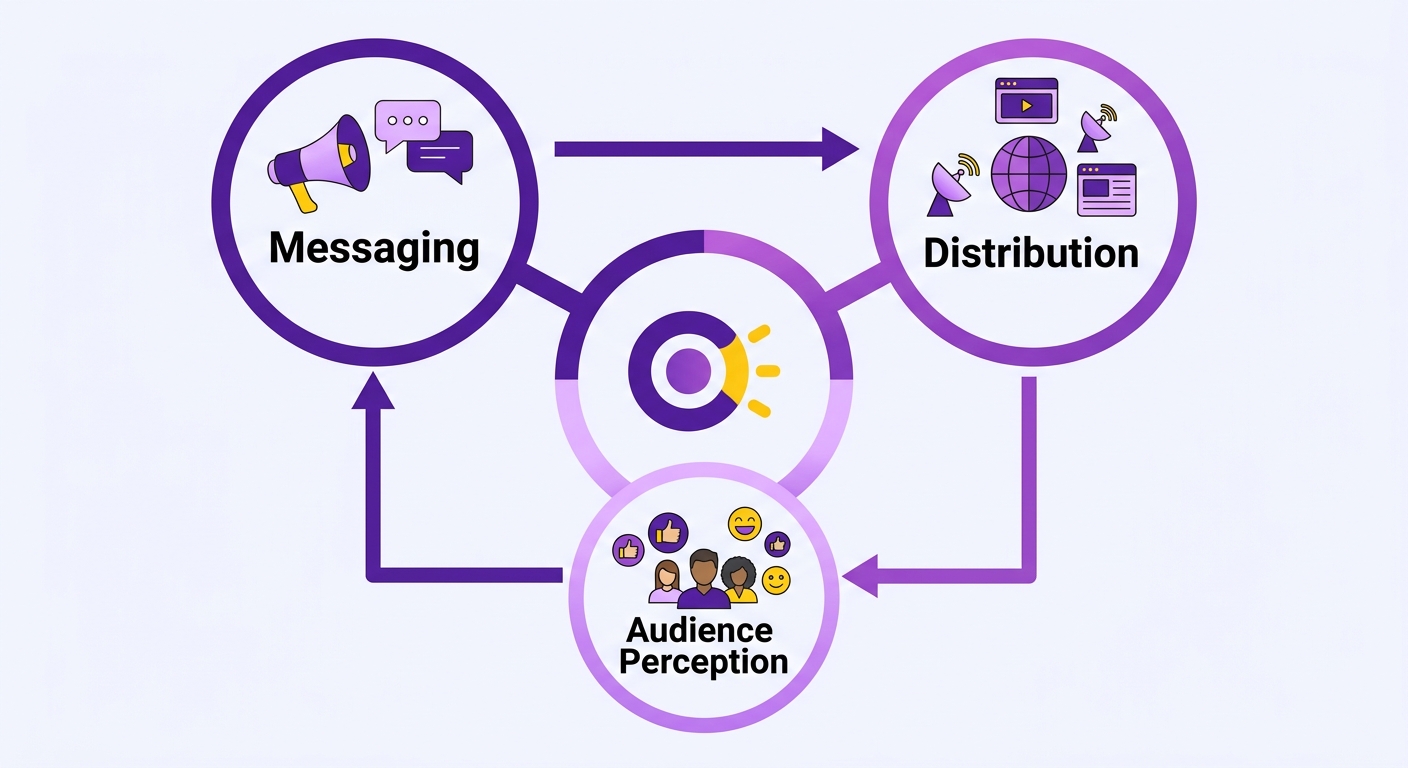
It aligns messaging, distribution, and audience perception so every touchpoint reinforces credibility and encourages deeper engagement.
When we map an editorial plan, we identify high‑impact story angles first—exclusive events, founder insights, curated experiences—and weave them into the core brand narrative. This positions the brand as an authority and creates natural opportunities for upsell and partnership. Distribution gets tailored across our media channels, business directory, and PR networks to reach the most relevant audiences.
Key actions
- Identify the story themes that resonate most with your target market.
- Create compelling narratives that showcase expertise and unique value.
- Distribute the stories through multi‑channel campaigns to amplify reach.
Who benefits most from editorial visibility?
Entrepreneurs managing saturated markets and marketing managers trying to break through flat ROI see the biggest impact.
Businesses that regularly share behind‑the‑scenes stories build stronger audience loyalty. Brands that highlight collaborative projects tend to attract partnership interest and media attention.
Who should act now
- Brands whose growth has plateaued for an extended period.
- Teams that rely heavily on one‑off sales and lack recurring audience engagement.
- Companies that notice competitor moves shifting consumer expectations.
Our approach starts with a discovery conversation to understand your goals, followed by a customized editorial plan that outlines story angles, distribution tactics, and measurable milestones. Rolling out the plan across our premium media, PR channels, and business directory helps build credibility, connect with the right audience, and drive sustainable visibility.
The new blueprint: key components
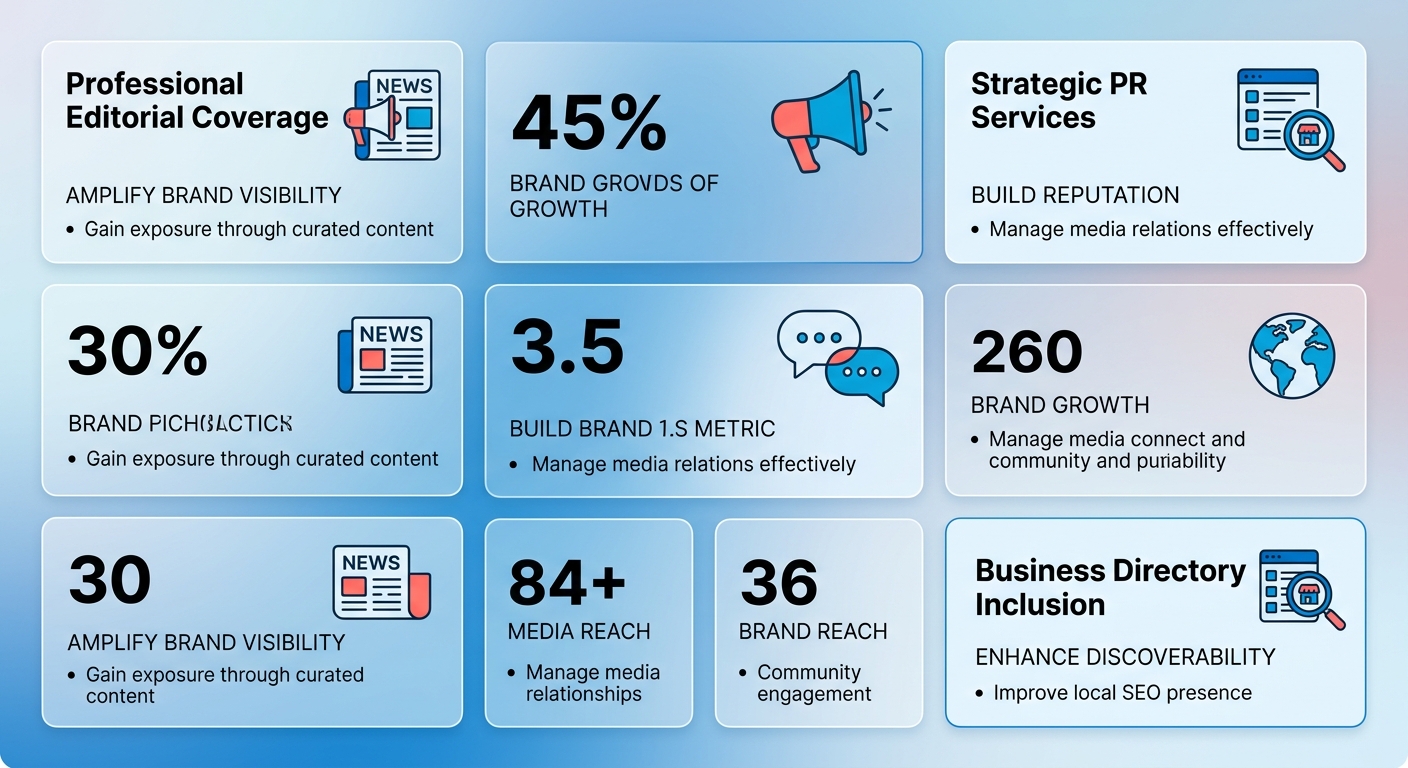
Industry Idols focuses on several core elements that work together to amplify a brand’s presence.
- Professional editorial coverage – Create compelling stories that showcase a brand’s unique value and resonate with target audiences.
- Strategic PR services – Design and execute media outreach that secures press placements and builds credibility.
- Business directory inclusion – List brands in a curated directory that connects them with industry leaders and potential partners.
- Tailored visibility strategies – Customize outreach plans to match each client’s goals and audience segments.
- Trusted storytelling – Use editorial storytelling to reinforce brand reputation and foster lasting audience relationships.
For a detailed template and checklist, refer to our resources section.
How do we measure success?
Success gets evaluated through a set of indicators that reflect the impact of our editorial and PR work.
- Media reach – Track the volume of earned impressions and coverage generated by our stories and press releases.
- Audience engagement – Monitor interactions such as article reads, shares, and comments to gauge audience interest.
- Brand credibility – Assess the quality of media placements and the perception of the brand within its industry.
These metrics help us refine strategies and ensure that each campaign delivers measurable value for our clients. Guidance on building your own performance view is available in our guide.
Implementing the new blueprint
Our services focus on crafting tailored media assets and exclusive interviews that bring your brand’s unique story to life. This approach lets you reach a premium audience without the guesswork of traditional advertising.
- Develop a professionally written editorial feature that highlights your brand’s core message.
- Distribute a press release to announce key milestones, product launches, or other newsworthy events.
- Arrange an exclusive interview that lets you share your journey, expertise, and achievements directly with readers.
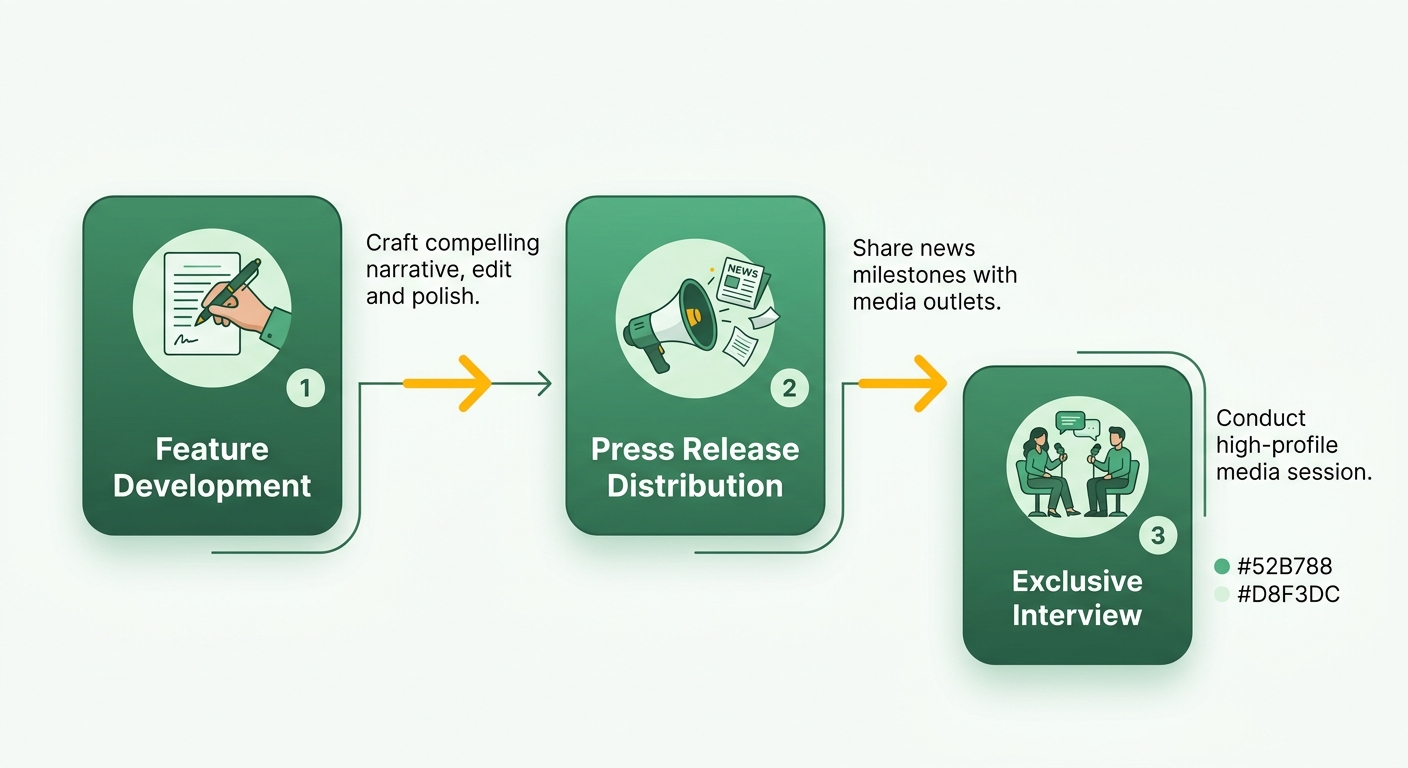
These elements work together to amplify your visibility and position your brand as a trusted voice in hospitality, entertainment, and lifestyle sectors.
How we keep your visibility strategy aligned
Collaboration is built into every stage. Industry Idols maintains an open line of communication with you to ensure the story stays consistent and resonates with your target audience.
- Assign a dedicated editorial liaison who coordinates content creation, reviews, and publication timelines.
- Schedule regular check‑ins to discuss performance, gather feedback, and refine messaging as needed.
- Conduct periodic strategic reviews with your marketing and leadership teams to assess results and adjust the roadmap based on evolving market trends.
When challenges arise—shifting budget priorities or new market insights—we adapt the plan to focus on the highest‑impact opportunities identified through these ongoing conversations. Skipping this continuous alignment can cause even the strongest narrative to lose relevance as consumer preferences evolve.
Case studies and real‑world examples
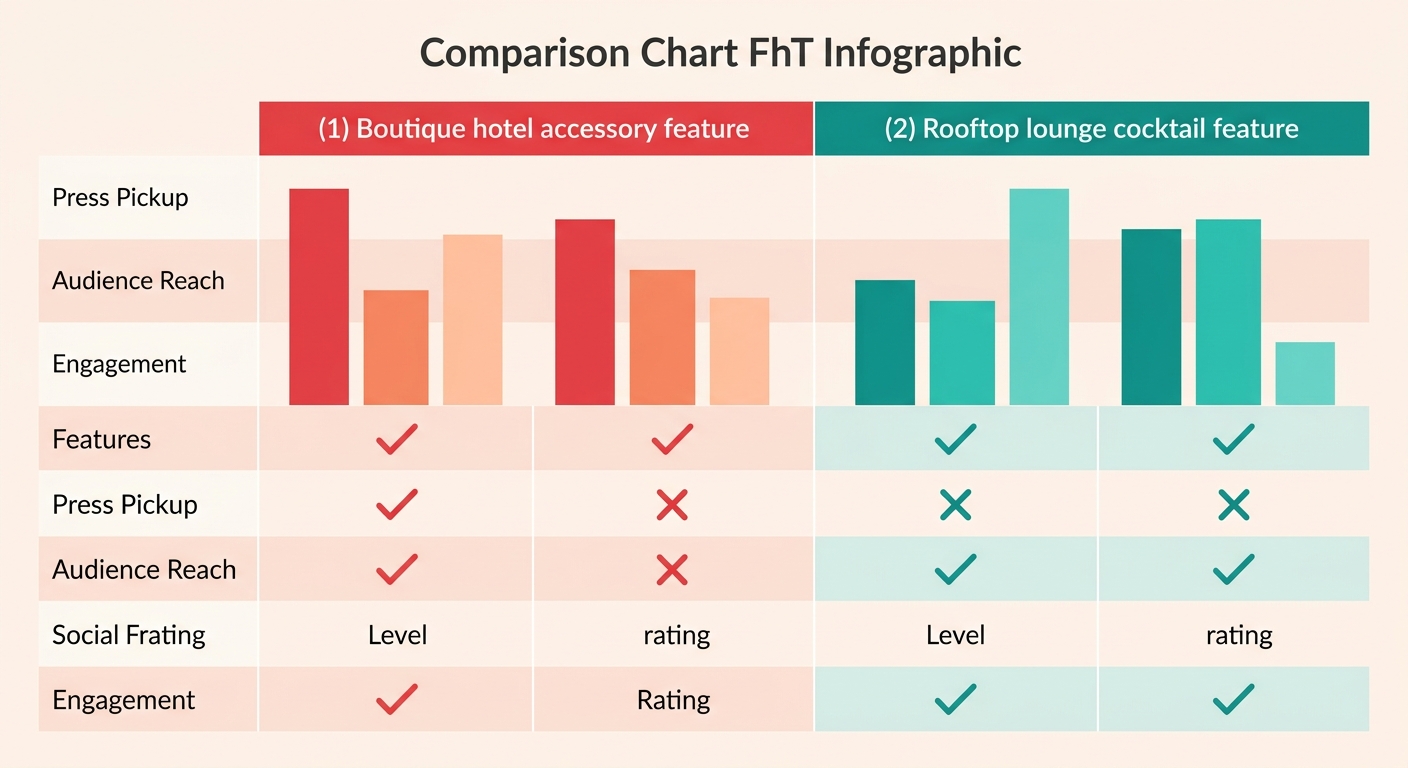
In some projects, featuring a premium accessory such as an ysl bag within a boutique‑hotel editorial story helped draw the hotel’s narrative into broader lifestyle conversations, leading to stronger press pickup than a more narrowly focused angle. A well‑chosen visual can act as a catalyst for wider media coverage.
In another editorial piece for a rooftop lounge, highlighting the venue’s signature cocktails alongside upscale lifestyle touches attracted both fashion‑savvy guests and cocktail enthusiasts. The cross‑category appeal expanded the audience pool and generated additional interest in the venue’s offerings.
What real‑world projects teach us about blueprint flexibility
Live editorial projects often surface hidden friction points faster than internal reviews. By launching a focused micro‑campaign, we can see which story angles resonate and which need adjustment, allowing us to pivot before committing a full budget. This approach helps protect cash flow when market sentiment shifts.
Key observations from projects suggest:
- Targeted platform focus – Concentrating the story on a few high‑engagement channels can be more effective than spreading content thinly across many platforms.
- Message refinement – Tweaking headlines to emphasize the experience rather than just the product can improve audience engagement.
- Strategic timing – Aligning story launches with seasonal or industry trends helps capture early interest, while off‑peak releases may see slower traction.
We recommend a three‑step rollout to embed these insights into any new blueprint:
- Map the current customer journey and pinpoint a moment where a premium visual element could create a surprise‑and‑delight effect. Document the touchpoints on a simple flowchart and share it with the creative team.
- Test with a micro‑budget on two platforms that already serve overlapping demographics. Track engagement, interest spikes, and earned media mentions over a short window.
- Iterate based on real metrics. If the visual element drives traffic but not conversions, pair it with a limited‑time offer or an exclusive event invitation. Deploy the refined version at scale and monitor the KPI dashboard regularly.
When market signals shift, we pause the full‑scale rollout and return to the micro‑test phase. This skip‑logic keeps the blueprint agile and ensures every investment aligns with current consumer appetite.
For deeper guidance on structuring these projects, explore our Editorial Strategy Playbook.
What I’d actually recommend
Start with a concise audit, align your messaging, and launch a pilot editorial piece that showcases the core promise of your revamped model. This three‑step launch gives you immediate feedback and a tangible asset to amplify across channels.
- Audit your current assets – List existing press kits, website copy, and visual assets. Identify gaps where the new story isn’t reflected.
- Align messaging – Draft a single‑sentence value proposition that captures the blueprint’s essence. Share it with your team and embed it in every piece of communication.
- Launch a pilot editorial – Partner with our editorial team to produce a feature that highlights a flagship product or experience. Publish it on our platform and push it through your social channels.
After the pilot, assess the audience reaction and the reach of the feature. If the response meets or exceeds expectations, roll the approach out to additional product lines or locations. If results fall short, revisit the messaging step and refine the narrative before expanding.
Next‑level actions
- Schedule periodic reviews with your marketing and PR leads to adjust tactics based on performance.
- Use our network listings to connect with complementary luxury partners who can co‑create content and broaden reach.
Treat the blueprint as an evolving system rather than a static plan. Your brand stays agile and ready for the next market shift. Our team is ready to help you fine‑tune each phase, ensuring the story stays fresh and the impact continues to grow.
FAQ
Q: How long does it take to see results from an editorial visibility strategy?
Many brands notice initial traction within several weeks after the first feature goes live. Media reach builds as stories get picked up and shared, and audience engagement tends to grow steadily as the narrative gains momentum across channels.
Q: What if our brand story isn’t “interesting enough” for editorial coverage?
Every brand has a story. In discovery we often uncover angles—founder journeys, supply‑chain innovations, community impact—that resonate with audiences. If you’re solving a real problem or serving a specific market, there’s a narrative worth telling.
Q: How do you measure the ROI of editorial coverage?
We track media reach, audience engagement, and brand credibility. For e‑commerce businesses we can correlate story launches with traffic spikes and conversion data; for service‑oriented businesses we monitor inbound inquiries and partnership interest. The exact metrics depend on your business model and goals.
Q: Can we use this strategy alongside paid advertising?
Yes. Editorial coverage and paid ads serve different functions. Ads drive immediate traffic, while editorial builds credibility and long‑term audience relationships. Many brands use editorial to establish authority and then run targeted ads to the audiences most engaged with the story.
Q: What if we need to pivot our narrative mid‑campaign?
The process is designed with flexibility in mind. If market conditions shift or new insights emerge, we pause, reassess, and adjust the story angles and distribution tactics. Periodic strategic reviews help catch these shifts early, and we can pivot more quickly when needed.
References
Frequently Asked Questions
1. What if my brand’s budget only allows a limited PR effort?
If budget constraints restrict PR, concentrate on high‑impact organic channels and a localized trial run. Leveraging existing creative assets can streamline the initial rollout, while focusing on a highly targeted media list keeps costs low while still delivering measurable reach and engagement.
2. How does the difficulty rating influence staffing and resource allocation?
Difficulty ratings guide how many people and what expertise you assign to each metric. Low‑complexity tasks can be handled by existing staff with minimal oversight. Mid‑tier tasks usually require a specialist such as a PR coordinator. High‑complexity tasks call for dedicated project management and possibly external agencies.
3. Can the narrative‑driven blueprint be effective for a mid‑market brand rather than a luxury‑lifestyle brand?
The blueprint’s core methodology doesn’t rely on luxury positioning, so mid‑market brands can apply it by tailoring story angles to their price point and audience. Adjusting the media mix toward broader trade publications instead of niche luxury outlets maintains relevance while still delivering measurable visibility gains.
4. What distinguishes a micro‑budget test from launching the full editorial campaign?
A preliminary trial runs on a limited scale using a small spend to gauge headline resonance and earned media. It focuses on real‑time metrics before committing to the full rollout, allowing you to refine copy or visuals before scaling the investment.
5. How does listing in the curated business directory complement editorial coverage?
The directory adds a searchable, evergreen profile that potential partners can find long after an article expires, while editorial coverage creates a timely narrative that drives immediate awareness. Together they reinforce credibility: the story draws attention, and the directory captures that interest for ongoing lead generation.
6. If my team already has high‑quality visual assets, can we skip Phase 2 content production?
Existing high‑quality visuals let you streamline the production phase by leveraging your current library, but skipping content creation entirely risks missing narrative cohesion. A streamlined workflow still aligns copy with visuals, ensuring the story remains compelling and ready for the distribution phase.