Key Takeaways
- When EV startups started stealing headlines, legacy automotive brands turned to the one asset competitors couldn’t manufacture overnight: decades of design heritage and cultural weight.
- Strong anniversary campaigns often borrow their structure from luxury watchmakers: three acts that move from founding story to category-defining innovations to proof that heritage drives future vision.
- One European house built its entire 110-year campaign around a single question: could it prove its design language had coherent DNA across eleven decades?
- Brand historians estimate that a significant portion of automotive archive material—photographs, letters, prototypes—has never been digitized or used in marketing.
- Anniversary campaigns work when they position heritage as competitive advantage. They fail when they position it as museum exhibit.
- A financial institution celebrated 160 years by launching a history website built entirely from digitized records, creating engagement infrastructure that outlasted the anniversary year by five years.
When Heritage Became Strategic Necessity
Heritage storytelling became the automotive industry’s defensive posture in recent years. Tesla and Rivian were flooding media channels with launch coverage, and legacy marques needed a counternarrative that new entrants couldn’t replicate in a product cycle. The answer wasn’t more horsepower or faster 0-60 times. It was proof that these brands had shaped automotive culture for generations—that their design language predated the category itself.
The campaigns that worked followed a three-act structure luxury watchmakers had refined over decades. Act one establishes the founding moment and the values that drove it. Act two traces the innovations that defined entire product categories—the safety feature that became industry standard, the engine architecture that competitors studied for years. Act three bridges that legacy to current challenges, framing heritage not as nostalgia but as the foundation for whatever comes next.
One prominent manufacturer organized its 110th anniversary around this exact arc, using archival footage to demonstrate how its signature design elements evolved while maintaining visual continuity. The campaign wasn’t about the past. It was about proving the brand’s design language had coherent DNA that competitors’ retro-inspired models lacked—that the curve of a fender in recent years descended directly from a prototype sketched decades earlier.
The Asset Most Brands Leave Locked Away
A significant portion of automotive archives remain in climate-controlled vaults, inaccessible to marketing teams and fragile from decades of storage. Brand historians point out that companies routinely overlook the marketing value of vintage photographs, personal correspondence from founding engineers, early clay prototypes, and engineering sketches that never made it to production.
Without digitization, that content stays locked away. A financial institution marked its 160-year milestone by launching a dedicated history website built entirely from digitized archival records. The site became an immersive brand experience that extended campaign reach five years beyond the anniversary itself—prospective customers still visit it to understand the institution’s founding principles before opening accounts.
We’ve seen this play out in automotive launches where brands commission short films narrated by actors with cultural credibility, weaving archival material into story arcs that feel more like documentaries than commercials. The production assets become permanent brand infrastructure. A manufacturer celebrating its 125th anniversary didn’t just run ads—it created educational content on engineering milestones that turned a one-year publicity push into ongoing engagement.
Why Some Years Matter More Than Others
Anniversary timing is often driven by market conditions rather than round numbers alone. When facing intensifying pressure from EV entrants, established manufacturers sometimes use heritage milestones—even those that may seem arbitrary—as an opportunity to reframe their engineering history as advantage rather than legacy burden. The anniversary gives them a culturally acceptable reason to flood media channels with heritage content while competitors scramble to establish brand identity in the EV transition.
Research from YouGov showed anniversary celebrations can measurably increase brand awareness and improve positive sentiment, but only when the campaign ties heritage to forward-looking vision. The brands that fail treat anniversaries as nostalgia exercises, essentially admitting their best work is behind them. The ones that succeed use archival material to demonstrate continuity of values and design philosophy that remains relevant today.
The Numbers That Actually Move Budgets
Heritage narratives can generate meaningful lift in earned media value compared to product-focused launches. That gap exists because heritage narratives give journalists cultural hooks beyond specs and pricing. A brand archivist uncovering a forgotten prototype from the founder’s era creates a story that automotive and lifestyle media will cover organically.
Strategic planning matters more than budget. Best practice calls for starting 12 months or more before the anniversary date to allow time for archive digitization, content production, and stakeholder alignment. Rush a heritage campaign and you end up with surface-level nostalgia instead of substantive storytelling. That lead time also enables you to brief media partners early, securing feature placements timed to the anniversary rather than scrambling for last-minute coverage.
The automotive houses getting this right treat their brand archivists as core campaign strategists, not afterthought consultants. Those teams surface the forgotten turning points that make compelling story beats: the near-bankruptcy that forced a design pivot, the engineer who defied management to prototype a breakthrough feature, the racing victory that legitimized the brand with performance buyers. Those stories can’t be manufactured. They require methodical archive work that most marketing teams skip because the ROI isn’t immediate.
The Six-Week Rollout That Trains Audiences to Pay Attention
Anniversary rollouts have evolved from press-release announcements into coordinated digital ecosystems that stretch across six to eight weeks. Luxury watch brands taught automotive a critical lesson: the launch window matters less than the sustained rhythm before and after it. When BMW marked its 50th anniversary in North America, the campaign traced the evolution of its “Joy” messaging, showing how the brand repositioned itself globally through advertising that moved beyond pure performance metrics.
The digital teaser sequence that opens these campaigns now follows a three-beat structure. Week one introduces archival imagery without explanation—a grainy 1960s factory photograph, a handwritten engineering sketch. Week two adds motion, typically through Instagram Stories that pan across vintage blueprints or prototype clay models. Week three reveals the throughline: how that archival moment connects to the anniversary model’s design language. This cadence can generate consistent engagement spikes when context is withheld until audiences have already invested attention.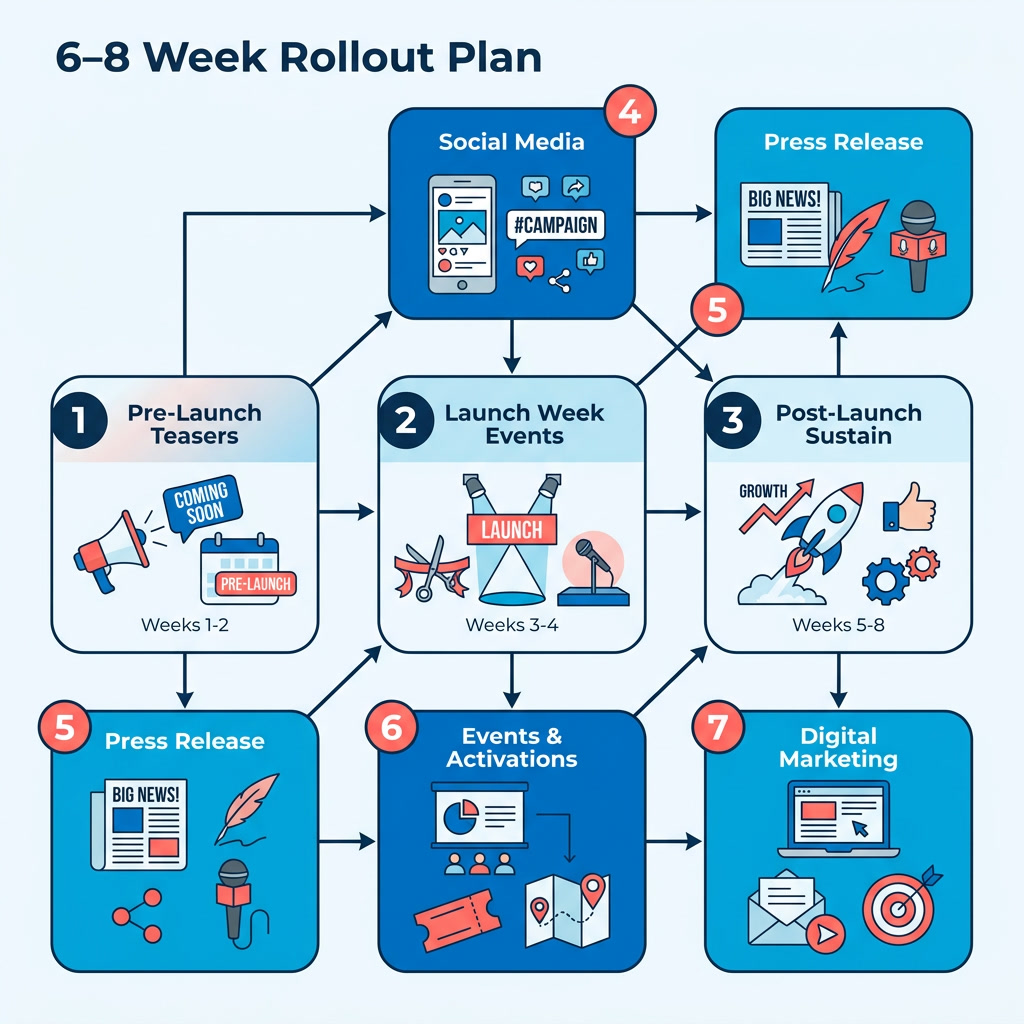
Why Physical Experiences Launch Mid-Cycle
The physical experience component often launches mid-cycle, not at announcement. Research on heritage marketing timing suggests that immersive events positioned before the official product reveal can create separation between the story and the transaction. One approach stages pop-up experiences at cultural events, building walk-through timelines that allow visitors to absorb the heritage narrative before arriving at dealerships.
The VR component in these setups isn’t novelty. It solves a structural problem: how do you compress decades of innovation into a space visitors will tolerate? Strong implementations use VR for moments that can’t be recreated physically—sitting in the cockpit of a vintage race prototype, watching assembly-line robotics evolve decade by decade. The physical space handles the tactile elements: original leather swatches, engine cross-sections under glass, handwritten correspondence from founding engineers. Skip VR entirely if your archive includes enough high-impact physical artifacts. Some brands accomplish this with nothing but a wall of original design sketches and a single functioning vintage engine mounted on a test stand.
Sequencing Earned and Owned Channels
Strategic media placement works when it’s sequenced with your owned content, not dumped simultaneously. Feature stories in premium publications timed to precede social teasers create layered discovery: a prospect reads the long-form piece, then encounters your Instagram Story the next day, then receives the email announcement. Each touchpoint reinforces without repeating.
The brands that nail this use a shared content library across all channels, but they don’t replicate captions. The same archival photograph appears in the magazine feature with a detailed caption explaining its engineering significance, then on Instagram with a brief emotional hook, then in the email as a thumbnail linking to a microsite timeline. Strong rollouts ensure every channel offers a different entry point into the same story.
The Sustain Phase Most Campaigns Skip
Four weeks post-launch is where most anniversary campaigns go silent. Research on multi-channel automotive campaigns shows sustained engagement requires feeding the narrative after the peak. Extending through owner spotlights—early buyers photographed with their anniversary models, explaining why the heritage details mattered to their purchase decision—keeps momentum alive. These aren’t testimonials. They’re proof the story resonated beyond the marketing cycle.
The other sustain tactic: serialized content that wasn’t ready for launch. Behind-the-scenes footage of the design team debating which historical color to revive. A podcast episode with multi-generational craftspeople who work on interiors. A microsite section that updates regularly, revealing historical periods per release. This keeps the anniversary theme alive through the full model-year cycle without demanding the same production intensity as launch week.
Why the Right Partner Matters More Than Follower Count
The right ambassador can turn a milestone campaign from a corporate announcement into a cultural conversation. When luxury watch brands select partners for anniversary work, they aren’t chasing follower counts. They’re looking for credibility alignment—someone whose reputation in a specific domain mirrors the brand’s positioning. That calculation becomes even more deliberate when the partner brings storytelling craft that can carry a narrative beyond a standard endorsement post.
Effective collaborations have emerged when filmmakers partner with automotive marques celebrating milestone years. These partnerships can produce short films that treat the brand’s history as cinematic material rather than advertising copy. That approach works when the director’s track record in visual storytelling gives audiences permission to engage with the content as art, not marketing. Audience overlap matters less than narrative authority—the filmmaker’s credibility transfers to the brand’s story, making the anniversary feel culturally significant rather than commercially opportunistic.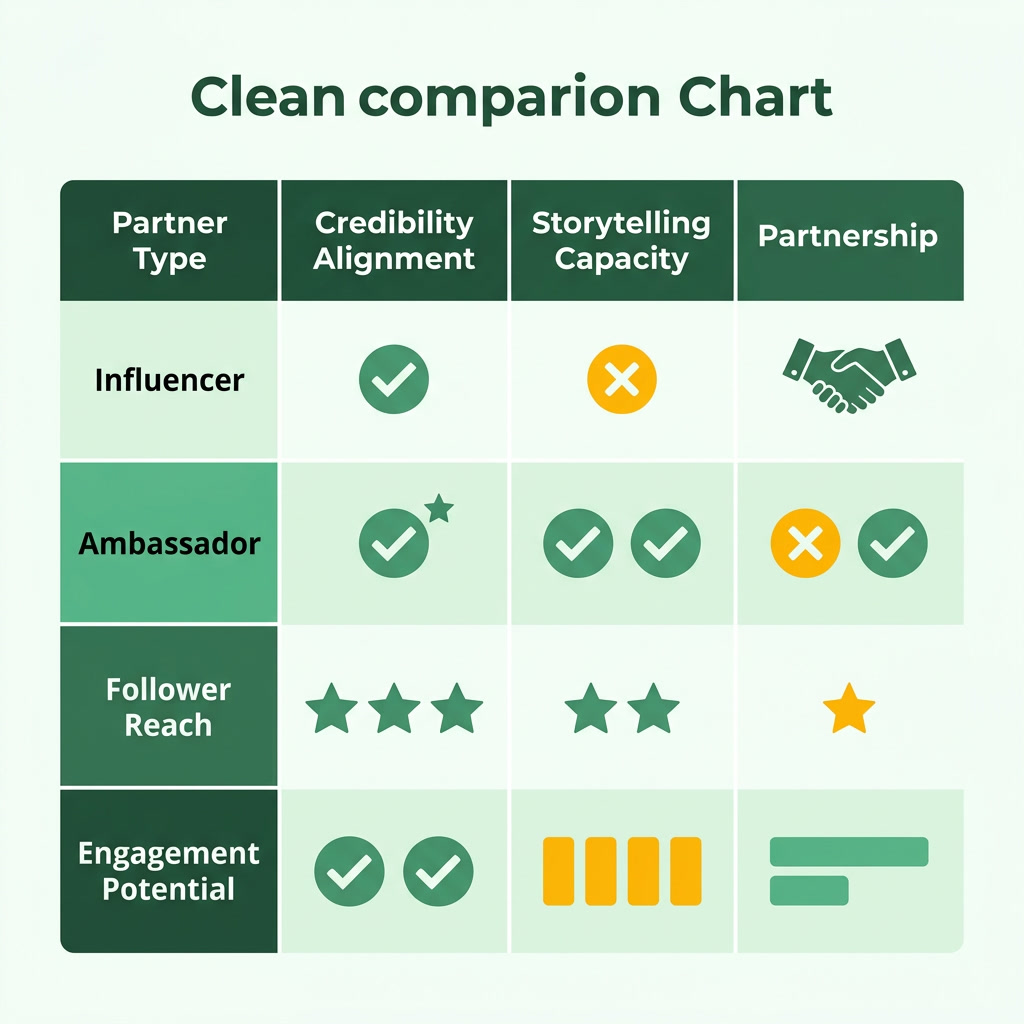
Why Cultural Partnerships Feel Earned Instead of Bought
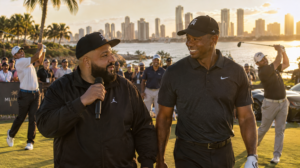
Anniversary moments create a natural editorial hook that makes brand-entertainment alignments feel earned rather than transactional. We’ve watched automotive brands use this dynamic by aligning milestone campaigns with high-profile cultural events—some marques have partnered with major music festivals, others with prestigious film awards ceremonies. The anniversary context can reframe what might otherwise read as opportunistic sponsorship into a celebration that happens to intersect with a cultural moment.
The selection criteria we’ve reverse-engineered from successful campaigns cluster around three factors. Brand alignment requires that the partner’s public persona reflects the values the anniversary narrative is reinforcing: heritage, innovation, craftsmanship. Audience overlap matters, but not in the demographic sense most brands assume. What matters is psychographic alignment—does the partner’s audience care about the same cultural signals the brand represents? Authenticity score is the hardest to quantify but the easiest to spot when it’s missing. If the partnership requires extensive explanation, it’s already failed.
Micro-Influencer Networks in Tier-One Markets
High-visibility partnerships generate reach. Micro-influencer networks in key markets can generate conversion intent. We’ve seen anniversary campaigns deploy localized influencer activations in markets like Tokyo and Dubai, where luxury consumption patterns favor exclusivity over mass awareness. These weren’t traditional sponsored-post arrangements. The activations centered on private experiences—early access to limited-edition models, invitation-only events at flagship stores, behind-the-scenes content from design studios.
Campaigns that run micro-influencer programming in parallel with global ambassador work often see stronger performance from influencer-generated traffic. The difference comes down to specificity. Macro-influencers broadcast the anniversary message. Micro-influencers make it actionable by connecting the milestone narrative to local retail experiences and creating social proof within high-net-worth networks that luxury buyers actually follow. Multi-channel anniversary rollouts now treat micro-influencer activation as essential distribution infrastructure, not optional amplification.
Co-Branded Experiences That Embed the Story
The most sophisticated anniversary partnerships we’ve tracked don’t stop at content. They create physical experiences that embed the milestone story into environments where the target audience already spends time and money. Some anniversary campaigns have built co-branded luxury experiences featuring limited-edition models as centerpieces. Guests aren’t handed brochures. They experience the vehicle in a context that reinforces the brand’s positioning—craftsmanship, exclusivity, aspirational lifestyle—without a single sales conversation.
These experiences serve a dual function. For attendees, they’re social capital. Invitations signal status, attendance generates content. For the brand, they’re conversion environments disguised as cultural events. Some activations have generated more qualified leads than months of digital advertising, and user-generated content from events can carry both the anniversary narrative and the exclusivity signal the campaign needs to project.
Successful partnerships require tracking both reach and conversion intent. Influencer-generated traffic only matters if it moves prospects closer to engagement—not just awareness, but test drives, showroom visits, and qualified inquiries. Skip partnerships that promise visibility without a clear path to intent. Anniversary budgets are finite, and every activation should advance the relationship between the brand and its audience.
The Five Metrics That Separate Theater from Revenue
Many brands track five core metrics to determine whether an anniversary campaign moved the business or simply generated noise. Earned media value tells us how much third-party coverage the campaign secured without paid placement. Social sentiment score measures whether conversations skewed positive, neutral, or hostile. Limited-edition sell-through rate reveals whether anniversary models moved off showroom floors or collected dust. Dealership footfall counts how many prospects physically visited locations during the campaign window. Together, these numbers separate brand theater from revenue impact.
What ROI Benchmarks Should You Expect?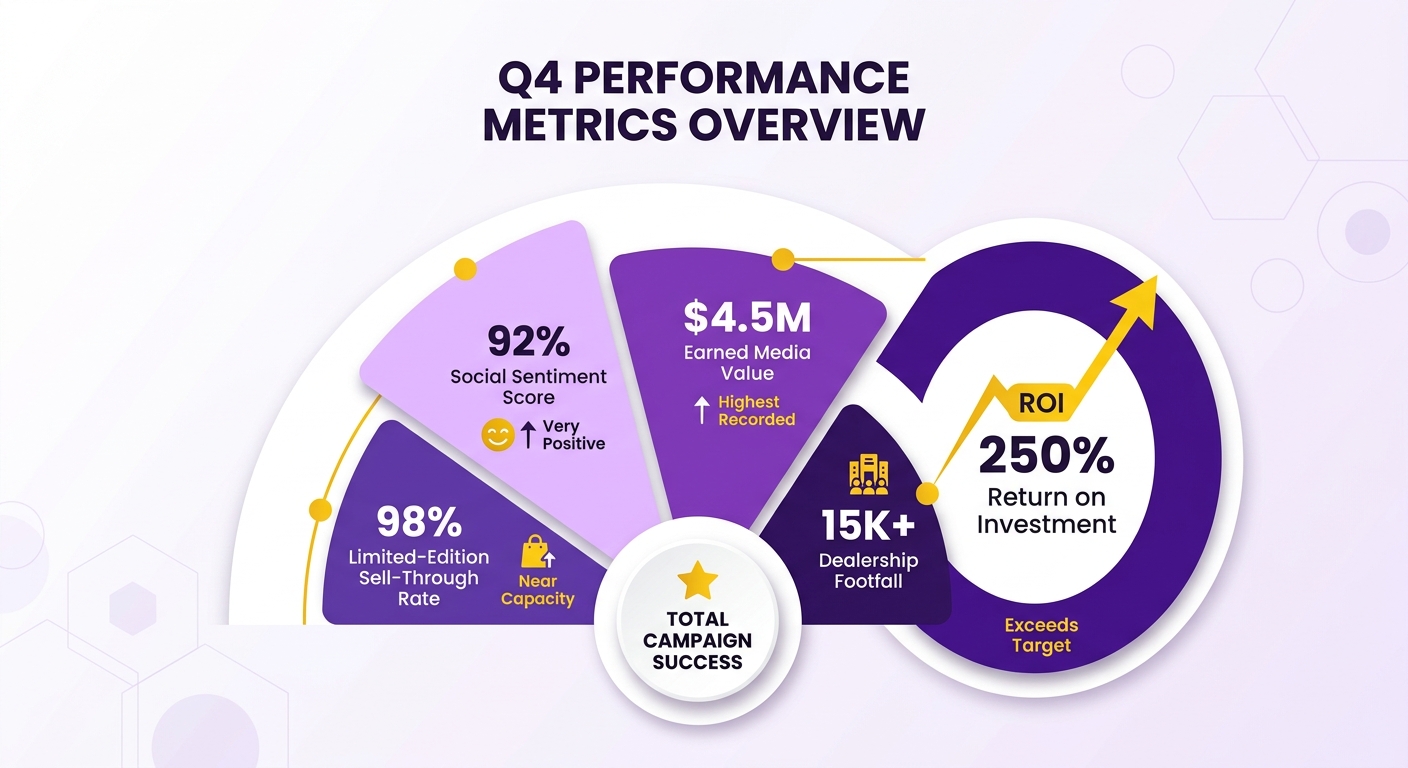
Luxury automotive anniversary campaigns can deliver strong returns on marketing spend when executed effectively. That assumes you’re measuring correctly—counting not just immediate sales but also downstream effects like trade-in upgrades and service bay visits over the following months. Brands that celebrate heritage milestones sometimes generate minimal short-term lift but create permission for price increases on subsequent model years. That secondary effect rarely shows up in campaign dashboards but can materially affect margin.
The most instructive benchmark comes from analyzing how brand equity shifts translate into actual showroom traffic. While campaigns frequently elevate heritage authenticity scores, dealership footfall can remain flat if the narrative fails to connect directly with current inventory. Bridging this gap requires a deliberate transition from storytelling to product demonstration.
The Pitfalls That Sink Anniversary Campaigns
Over-reliance on nostalgia is a common failure mode. When a campaign positions heritage as an end rather than a means, it risks appealing exclusively to existing loyalists who already own the cars. BMW’s approach to its North American 50th anniversary milestone involved redefining its legacy through the evolution of its “Joy” campaign—treating the archive as raw material for understanding how the brand adapted to global markets rather than simply celebrating past achievements. Campaigns that successfully expand addressable markets avoid positioning heritage as museum exhibit.
Operational bottlenecks represent another major risk. Because restoring archival assets and securing legal clearances require extensive lead times, rushing the preparation phase forces creative teams to rely on superficial nostalgia. Without adequate preparation, campaigns default to generic historical tropes rather than leveraging the unique, highly specific archival discoveries that drive genuine editorial interest.
Insufficient dealer training undermines even well-executed campaigns. Salespeople who can’t articulate why the anniversary model differs from standard inventory treat it as a trim package rather than a cultural artifact. Some limited-edition anniversary releases have sat on lots for extended periods because showroom staff couldn’t explain the design choices that referenced archival prototypes. The campaign generates awareness, but the last mile fails because the people closest to purchase decisions aren’t equipped to close the narrative loop.
How Campaign Data Shapes Next Year’s Design Decisions
The feedback loop between anniversary campaigns and product development runs both ways. When heritage documentaries reveal which historical design elements resonate most with audiences, those motifs can reappear in subsequent model years’ interior trim options. Social listening during campaign windows sometimes shows that enthusiasts fixate on specific design elements from vintage concept cars, signaling opportunities for the design team to adapt those elements for current production variants.
Content format analysis during anniversary campaigns reveals what drives engagement and helps guide future campaign architecture. If interactive heritage viewers generate meaningfully longer session durations than static photography, that signals where to allocate production budget for the next milestone. The goal isn’t just celebrating what you’ve built. It’s learning what your audience values about your history so you can architect that value into what you build next.
The Practical Playbook: Templates, Timelines, and Metrics
Successful anniversary campaigns in the luxury automotive sector follow established structures. These timelines, budget splits, and performance benchmarks reflect what luxury automotive campaigns often use when the stakes are revenue targets, not brand sentiment alone.
The 18-Month Campaign Timeline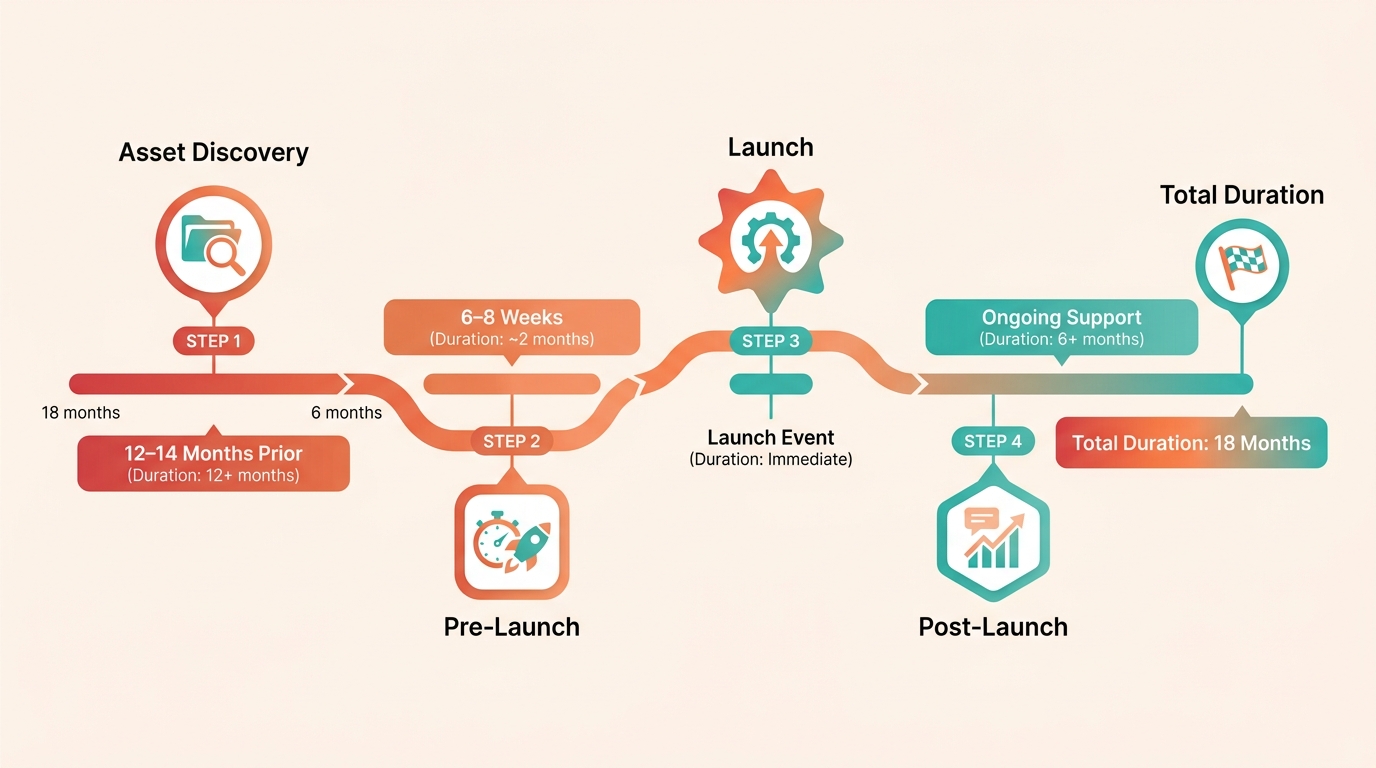
The initial phase focuses entirely on asset discovery and rights clearance. This early window is critical for cataloging physical files, restoring fragile film reels, and securing legal permissions for historical footage before any creative production begins.
The subsequent pre-launch phase shifts focus toward building anticipation through structured digital storytelling. Rather than revealing the entire campaign at once, successful rollouts release archival assets incrementally, allowing audiences to piece together the historical narrative before the official product unveiling. This methodical build-up ensures that when the anniversary model is finally introduced, the market already understands its cultural and design significance.
The sustain phase typically runs several months post-launch. Budget allocation shifts from paid media to earned coverage and influencer partnerships. Dealership footfall metrics and limited-edition sell-through rates determine whether the campaign extends into a second quarter or wraps early.
Budget Allocation Benchmarks
Creative and production typically consume a significant portion of total campaign spend. This covers documentary filmmaking, archival restoration, and special-edition vehicle design work. Media buys account for another substantial portion, weighted toward digital channels where a majority of consumers now expect to complete their next auto purchase.
Event activations, influencer partnerships, and ambassador retainers each claim portions of the budget. The remaining allocation covers contingency and post-campaign measurement.
KPI Dashboard and Metrics Template
To evaluate campaign performance effectively, marketing teams must integrate qualitative brand perception data with hard transactional metrics. While sentiment analysis and media coverage provide early indicators of engagement, the ultimate measure of success lies in dealership conversion rates. For heritage campaigns featuring exclusive collector models, tracking the conversion rate from initial campaign exposure to scheduled test drives provides meaningful insight into campaign effectiveness.
Heritage Asset Audit Checklist
Before commissioning new creative, brands inventory what they already own. Photograph archives—both official press materials and employee-submitted candids from factory floors. Video footage from product launches, racing events, and internal documentaries. Design sketches and engineering blueprints that show iterative development. Press clippings and magazine features from the year of founding forward. Customer testimonials and owner stories collected over decades.
Digitize materials at sufficient resolution for print use. Clear usage rights for materials involving external partners or celebrities. Tag assets by decade, product line, and thematic category to streamline creative briefing later.
Sample Press Release Framework
Headline: [Brand Name] Marks [X] Years of [Core Value or Category Leadership]
Subhead: Limited-Edition [Model Name] Honors [Founding Principle or Heritage Design Element]
Opening paragraph: State the milestone, the founding date, and the campaign’s central theme in three sentences. Avoid generic celebration language. Lead with a specific historical detail that positions the brand’s origin story as culturally significant.
Second paragraph: Introduce the limited-edition model or experiential event. Include production numbers, exclusive features, and how design elements reference archival models.
Third paragraph: Quote from brand leadership that ties heritage to current innovation strategy. Avoid nostalgia framing. Position legacy as competitive advantage in the current market.
Boilerplate: Company overview, current product portfolio, and media contact details.
References
[1] Automotive Marketing Campaigns: 20 Top Car Ads of All … – https://digitalagencynetwork.com/automotive-marketing-campaigns/
[2] BMW NA 50th Anniversary | 50 Stories for 50 Years Chapter 34 – https://www.press.bmwgroup.com/usa/article/detail/T0452132EN_US/bmw-na-50th-anniversary-%7C-50-stories-for-50-years-chapter-34:-%E2%80%9Cjoy-is-bmw:-bmw-brand-advertising-goes-global%E2%80%9D?language=en_US
[3] The 5 Best Automotive Marketing Campaigns – https://mrs.digital/blog/best-automotive-marketing-campaigns/
[4] 13 of the best automotive campaigns in the industry – https://riseatseven.com/blog/13-of-the-best-automotive-campaigns-in-the-industry/
[5] Anniversary campaigns. So what? – https://www.linkedin.com/pulse/anniversary-campaigns-so-what-sara-dickenson
[6] 2024 Brand Heritage Marketing Campaign Trends – https://www.historyfactory.com/insights/the-future-of-heritage-marketing-2024/
[7] Unlocking the Power of Brand Heritage for Milestone … – https://blog.townswebarchiving.com/pastview/celebrate-brand-milestone-anniversaries
[8] 15 BEST LUXURY MARKETING CAMPAIGNS – https://www.amraandelma.com/15-best-luxury-marketing-campaigns/
Frequently Asked Questions
1. How far in advance should we begin planning an anniversary campaign?
Begin the planning process well in advance of your target launch date to accommodate the complexities of historical research. This preparation window is necessary for cataloging physical assets, verifying historical accuracy, and resolving intellectual property rights for older media. Rushing this phase often limits campaigns to superficial nostalgia rather than deep, compelling storytelling.
2. What makes an anniversary campaign fail despite strong brand awareness?
A primary cause of failure is the disconnect between high-level marketing narratives and the retail environment. If dealership staff are not trained to explain the historical significance and unique design elements of a commemorative model, they will sell it as a standard trim package. Ensuring that front-line sales teams can articulate the heritage story is critical to converting brand interest into sales.
3. Why do some brands celebrate seemingly arbitrary anniversary years?
Brands often select specific milestones based on broader market dynamics and competitive pressures. Celebrating a heritage anniversary provides a strategic opportunity to reframe a company’s long-term expertise as a key differentiator against newer market entrants. This positioning allows established manufacturers to reinforce their credibility and design continuity during periods of rapid industry transition.
4. How do micro-influencer activations differ from macro-influencer partnerships in anniversary work?
While macro-influencer campaigns are effective for generating broad awareness and reach, micro-influencer activations can drive deeper engagement within niche communities. In luxury segments, localized influencer strategies focus on cultivating relationships with highly targeted collector networks. By providing these creators with exclusive, behind-the-scenes access, brands can foster authentic advocacy that resonates with serious buyers.
5. What three-beat structure should anniversary teaser campaigns follow?
An effective teaser campaign relies on a progressive disclosure strategy that builds curiosity over time. The sequence begins by sharing intriguing, unexplained historical artifacts to spark interest. The next phase introduces deeper context and motion, showing the evolution of these elements. Finally, the campaign connects these historical threads directly to the modern product, rewarding the audience’s curiosity with a meaningful design revelation.
6. Why do heritage campaigns generate higher earned media value than product launches?
Heritage campaigns can generate significant earned media because they offer rich, editorial-grade storytelling that goes beyond standard product specifications. Journalists are naturally drawn to human-interest angles, design evolutions, and historical milestones that have broader cultural relevance. Providing media outlets with exclusive access to unique archival discoveries allows them to write compelling features that read like history or art pieces rather than promotional copy.
This article is intended for editorial and informational purposes only.