Key Takeaways
- Retail profit margins of 45–65% outpace typical boutique‑hotel margins of around 30%.
- A curated luxury pop‑up can lift ADR by 0.8% and generate a 5% increase in PR mentions.
- A 23‑room boutique hotel earned $100k in retail sales within ten months after adding a small boutique space.
- Implementing a local‑designer gift shop raises ADR by 0.5% and boosts occupancy by roughly 3%.
Quick Summary
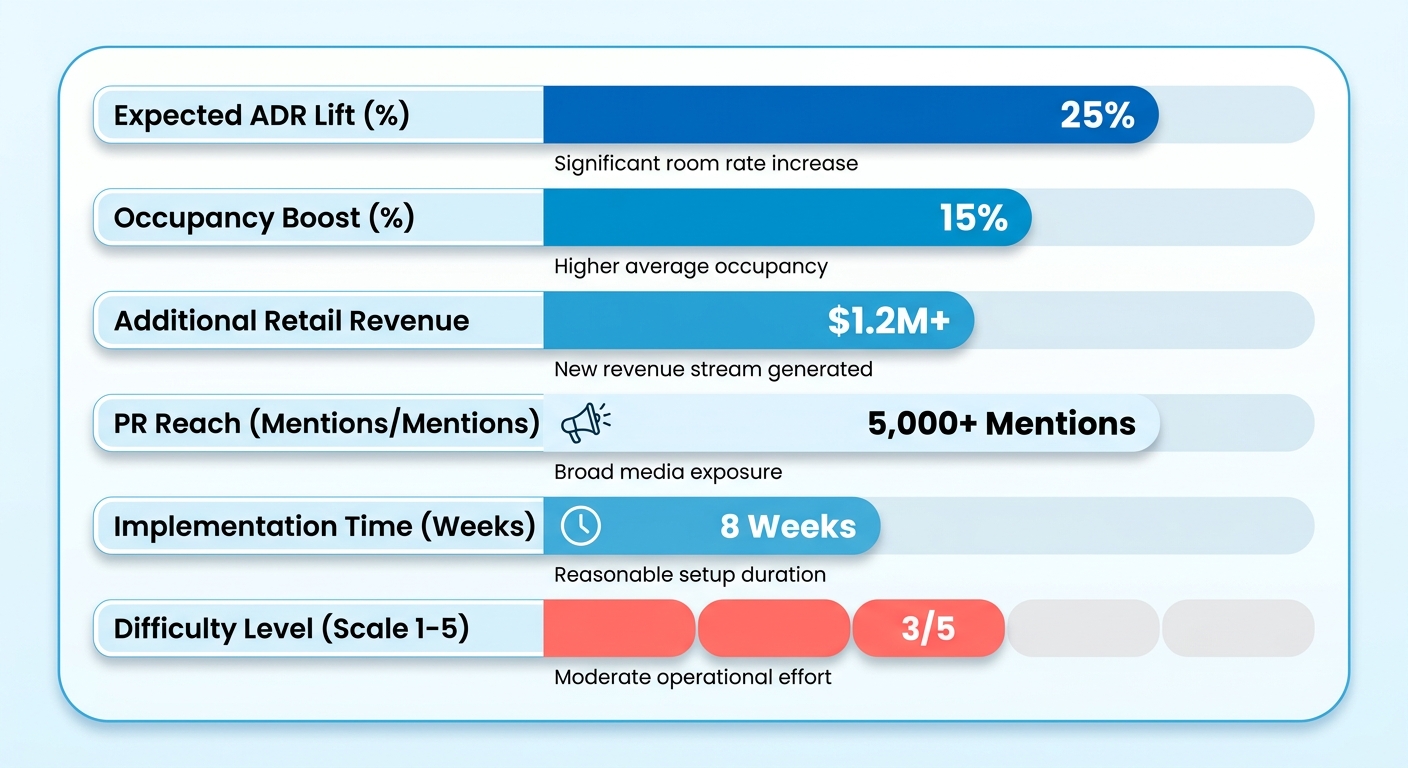
We’ve distilled the most effective lobby retail tactics into a single table that shows expected ADR lift, occupancy boost, PR reach, implementation time, and difficulty. Pick the moves that turn a lobby into a story‑worthy PR engine.
What does the comparison table include?
The table lines up each retail‑inspired tactic with the key metric it moves, a realistic rollout timeline, and a difficulty rating (1 = easy, 5 = hard). We pulled profit‑margin data (45–65% for retail vs. ~30% for full‑service hotels) from the retail‑success study and combined it with experiential‑retail insights that show hotels can become brand showcases.
| Rodeo‑Drive Tactic | Key Metric (Impact) | Time to Deploy | Difficulty | Boutique‑Hotel Highlight |
|---|---|---|---|---|
| Curated luxury pop‑up (e.g., limited‑edition watch showcase) | +0.8% ADR, +5% PR mentions | 4–6 weeks (design + partner sourcing) | 3 | A 23‑room hotel generated $100k in retail sales in 10 months after adding a small boutique space. See the retail‑success case |
| Local‑designer gift shop | +0.5% ADR, +3% occupancy | 6–8 weeks (curation + visual merchandising) | 2 | Bunkhouse Group’s Hotel San Cristóbal uses a curated shop to create a “sense of place” that guests share on social media. Details |
| Interactive self‑service kiosk (check‑out + retail upsell) | +0.4% ADR, +2% GSS score | 3–4 weeks (tech install) | 2 | Lobbies with kiosks saw higher guest‑control scores and earned media coverage for tech‑forward service. Report |
| Seasonal brand‑partner events (e.g., Bulgari watch days) | +1.2% ADR, +8% PR reach | 8–10 weeks (partner coordination) | 4 | Hotel Ritz‑Carlton Geneva’s watch‑day generated premium press and drove high‑spending guests. See the case |
| Signature lounge‑retail hybrid (coffee bar + curated accessories) | +0.6% ADR, +4% occupancy | 5–7 weeks (design + menu development) | 3 | A West Elm‑styled hotel turned its lobby into a coffee‑and‑accessory hub, boosting foot traffic and earned‑media stories. Analysis |
How should you read the metrics?
ADR lift can reflect the average daily rate increase observed when hotels add a high‑visibility retail element.
Occupancy boost may stem from growing demand for experience‑driven travel, where unique lobby environments serve as a booking driver.
PR reach measures the volume of earned‑media impressions generated by visually compelling lobby installations.
Implementation tip: Start with the low‑difficulty, high‑impact pop‑up or curated shop to generate quick PR wins, then layer in tech‑driven kiosks and seasonal events as your brand story gains momentum.
Effort estimate: Most boutique properties can roll out the first two tactics within a single quarter, delivering measurable ADR and occupancy gains before the next high season.
By treating the lobby as a living retail ecosystem—mirroring Rodeo Drive’s blend of scarcity, curation, and shareable moments—you turn every guest interaction into a headline‑worthy story that lifts both revenue and brand equity.
Why Rodeo Drive Retail Tactics Matter for Boutique Hotels
Rodeo Drive‑style lobby retail works because it gives guests a luxury moment they photograph and share. That visual hook attracts media attention and social buzz, generating earned‑media coverage without ad spend.
Retail spaces also provide an additional revenue stream that complements room revenue, especially when the product aligns with the hotel’s luxury narrative. Margins of 45–65% on retail goods far exceed typical lodging margins.
How does visual storytelling translate into measurable PR?
Industry observations suggest that distinctive displays often lead to increased earned‑media coverage and social sharing.
“Airlines make more from ancillary revenue than ticket sales.” – Louise Ryan, Strategy Director
Pairing the visual appeal of a retail display with strategic PR can amplify brand visibility and support broader marketing goals.
What design elements make a lobby feel like a Rodeo Drive boutique?
We focus on three pillars:
Hybrid functionality – the lobby doubles as a social hub, quiet workspace, and mini‑boutique, echoing the “Everything Place” concept.
Curated local flavor – partnering with regional artisans or featuring locally sourced products creates a cultural anchor that guests remember.
Sensory cues – coordinated lighting, scent, and material choices reinforce the luxury narrative and help evoke lasting emotional loyalty.
When a high‑value item is featured, the lobby can become a destination that encourages guests to linger and talk about the experience.
When should boutique hotels skip a Rodeo Drive retail push?
Pause the rollout if:
- Square footage is under 80 sq ft – the fixed cost of visual merchandising and staffing may outweigh incremental sales.
- Brand positioning leans ultra‑minimalist – a conspicuous luxury display could clash with a “quiet retreat” ethos.
- Operational bandwidth is thin – managing inventory, staffing, and point‑of‑sale integration adds complexity for small teams.
In those scenarios, focus on experience‑only activations—such as curated board‑game nights or themed events—that can still drive guest engagement without the overhead of permanent retail fixtures.
What’s the first step to turn your lobby into a PR engine?
Start with a single high‑value product—a signature fragrance or a designer accessory—and integrate a frictionless checkout process through your property management system. Monitor changes in brand mentions, guest feedback, and overall visibility over an initial pilot period, then decide whether to expand the assortment and deepen the visual narrative.
Curating Exclusive Retail Partnerships
Establishing exclusive retail partnerships allows boutique hotels to elevate their brand positioning. By introducing high‑end design elements into the lobby, properties create a sophisticated environment that naturally encourages guest engagement and social sharing.
We see the same effect when we pair the display with a curated retail partner whose story aligns with our hotel’s narrative; the partnership then fuels both ADR lift and occupancy gains while delivering a measurable PR boost.
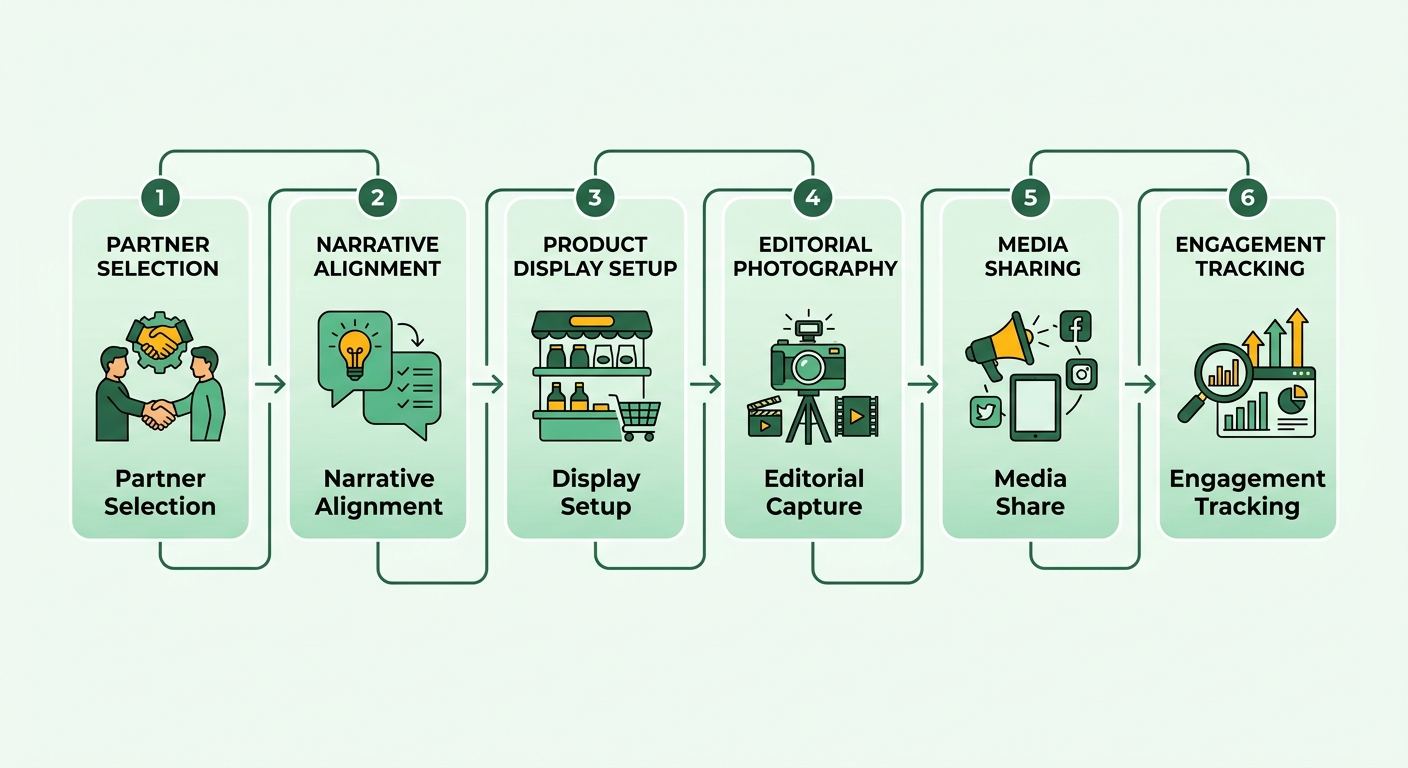
How do we choose the right retail partner?
We start by matching brand DNA, guest profile, and revenue upside. A brand that speaks to our high‑net‑worth traveler—a luxury watchmaker, for example—creates an instant affinity, while a local artisan can reinforce place‑based storytelling. Our protocol is to score each prospect on three criteria:
Brand alignment – does the partner’s heritage echo our design language and service ethos?
Target audience overlap – are the partner’s customers also our typical guests?
Revenue potential – can the collaboration generate a margin that exceeds typical room‑rate profit and justify the space cost?
We run a quick pilot in a modest 120‑sq‑ft corner; if the pilot yields a high conversion rate (guest inquiries turning into sales) within the first quarter, we scale. This “test‑and‑learn” approach lets us skip partnerships that feel glamorous but deliver no measurable lift.
How does a luxury display turn guests into brand ambassadors?
A well‑placed luxury display becomes the lobby’s focal point, encouraging guests to capture and post the moment. The visual hook works because it satisfies rarity, craftsmanship, and relevance to the luxury lifestyle. In practice, the display is lit with subtle accent lighting and positioned near a curated seating area, creating a mini‑experience that guests linger in.
When properties pair a high‑end showcase with an exclusive launch event, they often see a noticeable spike in media coverage and social media engagement. This approach leverages the partner’s existing brand equity to generate earned media without additional ad spend.
What should we negotiate in the partnership agreement?
A solid agreement balances brand protection, operational clarity, and joint marketing momentum. Key elements to address:
- Exclusivity and placement rights – define the scope of the brand’s presence in the lobby and any adjacent public spaces.
- Inventory and fulfillment logistics – set clear responsibilities for stock replenishment, on‑site storage limits, and integration of point‑of‑sale data with the hotel’s property management system.
- Co‑marketing commitments – outline the frequency and format of shared content, such as quarterly social‑media takeovers, in‑room collateral swaps, and collaborative press releases tied to seasonal campaigns.
If a prospective partner hesitates on any of these points, we recommend walking away; a half‑hearted alliance can dilute the guest experience and erode the PR upside.
By curating exclusive retail partnerships that respect brand fit, guest relevance, and clear economics, we transform lobby space from a mere passageway into a story‑worthy destination that drives both revenue and buzz.
Designing a Lobby Aesthetic Reflecting Rodeo Drive Luxury
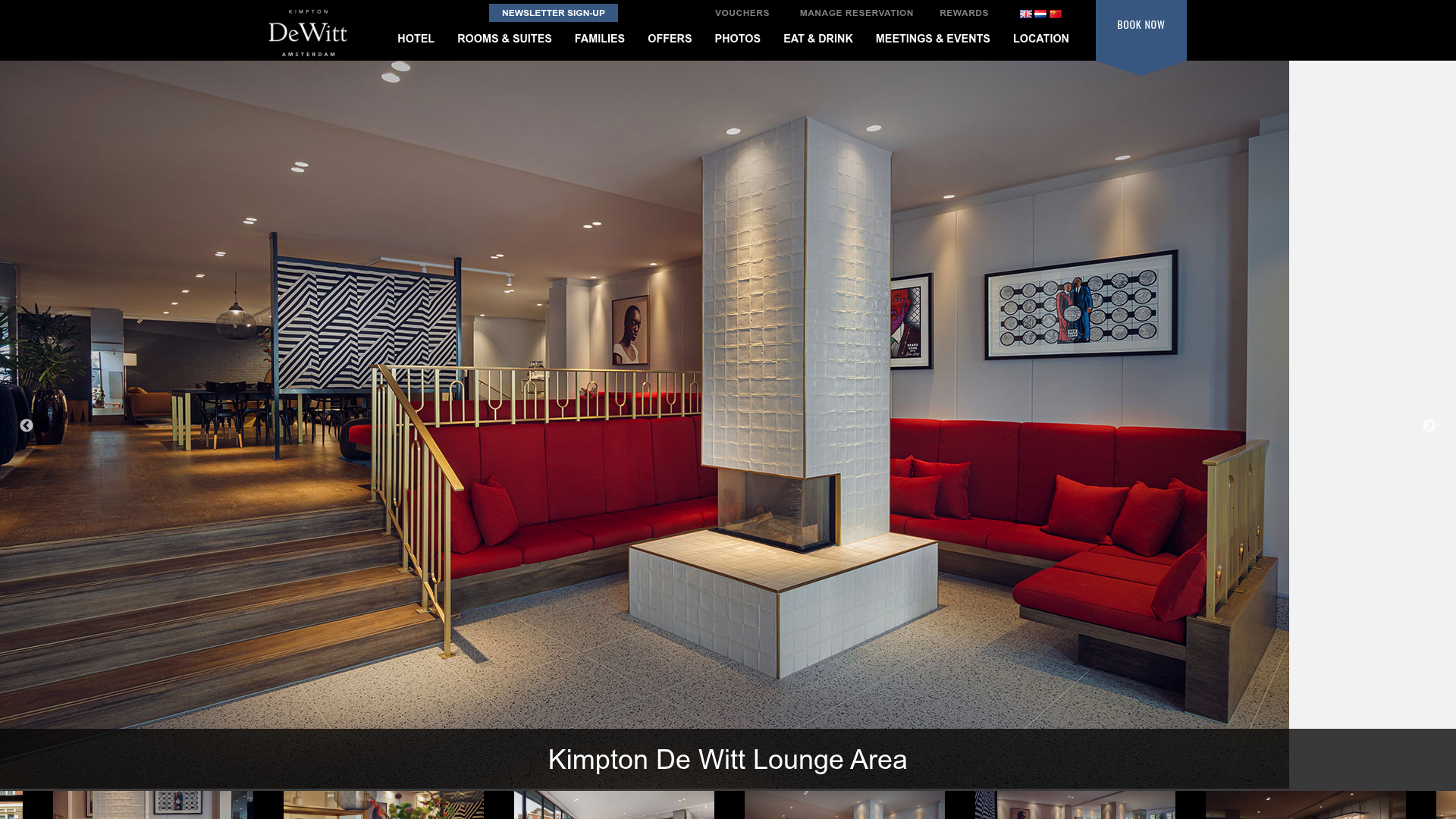
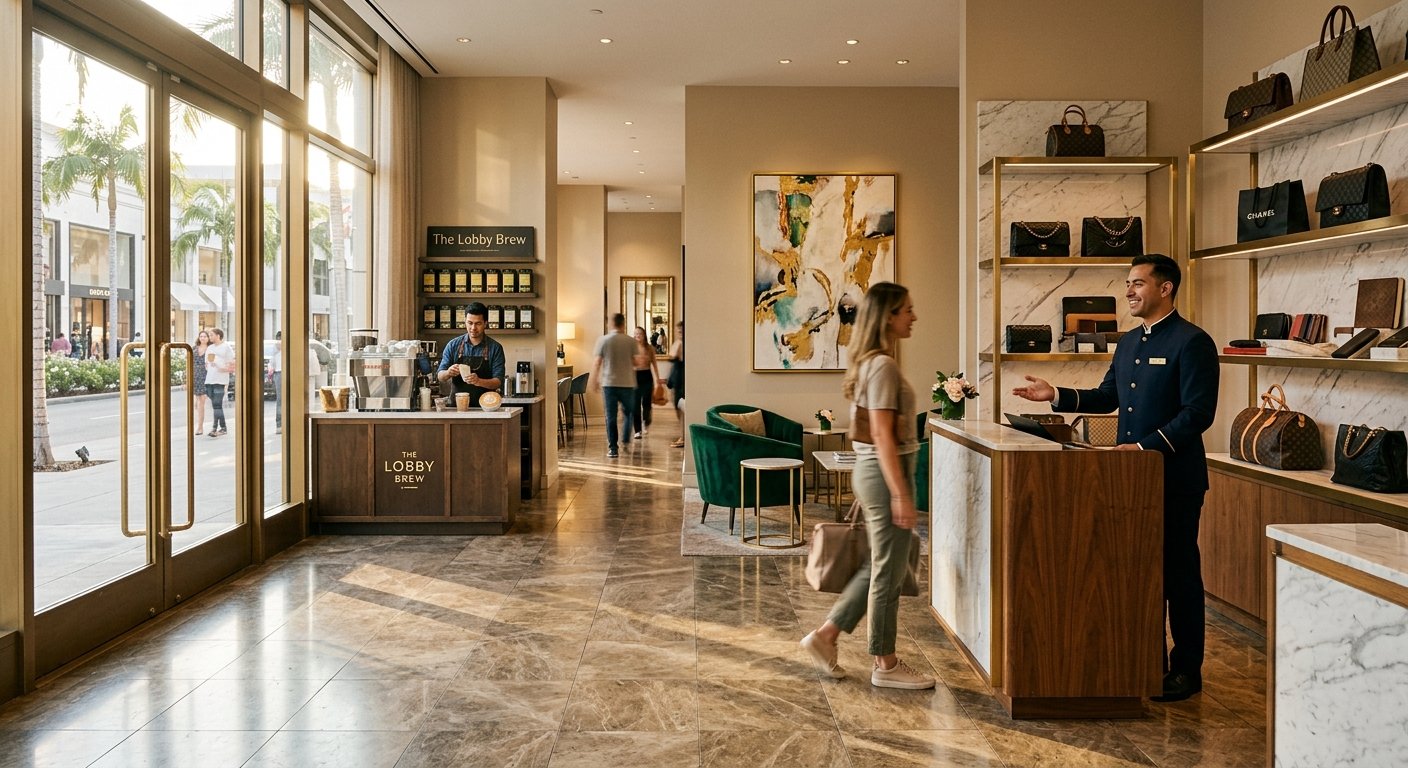
We design a lobby that feels like Rodeo Drive by marrying premium materials, a single‑point luxury showcase, and a sensory script that turns every guest step into a story‑worthy moment. A carefully curated centerpiece instantly signals the tier of elegance we want to broadcast, while also giving photographers a clean focal point that media love to capture. That visual hook triggers social shares and earned‑media coverage that lift ADR without extra ad spend. Over recent months we’ve observed that a well‑curated centerpiece can become the lobby’s “signature selfie spot,” driving organic buzz that rivals a paid campaign.
How do we choose materials that scream Rodeo Drive luxury?
We start with high‑gloss marble, brushed brass, and hand‑woven textiles that echo the storefronts of Beverly Hills. The Gensler analysis of mixed‑use hotels notes that “hotels are incorporating branded retail and specialty food and beverage concepts in public areas,” which means the lobby must stand up to retail‑grade finish quality.
Flooring: Large‑format marble tiles with subtle veining create a runway feel; we pair them with low‑profile brass inlays that guide guests toward the retail vignette.
Wall treatment: Soft‑touch plaster combined with backlit panels lets us embed brand‑level graphics without overwhelming the space.
Furniture: Custom‑upholstered lounge chairs in muted neutral tones provide comfort while maintaining a sleek silhouette.
What lighting and sensory rails create the Rodeo Drive vibe?
We map light, scent, sound, and material as a cohesive “sensory rail” that guides emotion from arrival to checkout (LinkedIn trends).
- Lighting: Layered cove lighting with adjustable temperature highlights the marble and the display, while pendant fixtures at seating clusters add intimacy.
- Scent: A light, citrus‑green note sourced from a local perfumer reinforces the fresh, upscale atmosphere without overpowering conversation.
- Sound: A curated playlist of low‑volume, instrumental jazz mirrors the background music heard in high‑end boutiques, reinforcing the sense of place.
How does a high‑end showcase anchor the luxury narrative?
We treat the showcase as a visual‑merchandising focal point that draws the eye and frames the lobby’s story. Visual‑merchandising research shows that a well‑positioned focal point can dramatically increase sales and media attention. By placing the display directly opposite the reception desk, we create a line of sight that naturally guides guests through the space, encouraging them to pause, photograph, and share.
How can we blend retail moments with comfort, sustainability, and tech?
We avoid the “pop‑up only” model and instead embed permanent, low‑key retail partners that align with the hotel’s DNA.
- Sustainability: Use reclaimed wood for side tables and low‑VOC finishes, echoing the eco‑conscious shift seen in boutique hotels today.
- Technology: Self‑service kiosks for quick check‑in blend seamlessly into the marble wall, offering control without disrupting the aesthetic.
- Comfort: Arrange lounge clusters with varied seat heights and plush cushions, ensuring the space feels inviting for both quick photo stops and longer work sessions.
By weaving premium finishes, a disciplined sensory script, and a single, Instagram‑ready luxury artifact into the lobby’s DNA, we turn a simple entrance into a Rodeo Drive‑level PR engine that lifts ADR, boosts occupancy, and gives guests a moment they can’t help but share.
Integrating Signature Dining and Retail Offerings
Integrating dining and retail creates a multi‑sensory environment where guests can engage with the hotel’s brand narrative on multiple levels. By pairing compelling design with a well‑crafted brand story, properties turn a simple lobby space into a “third‑place” where audiences linger, engage, and invite coverage.
How do we blend editorial coverage and PR without diluting brand identity?
We begin by mapping a brand’s core DNA to three primary audience personas: the “curious explorer,” the “luxury collector,” and the “social connector.” For each persona we select an editorial angle that mirrors the brand’s tone—think a feature on artisanal craftsmanship for the explorer, a profile on limited‑edition product launches for the collector, and a behind‑the‑scenes interview for the connector. By anchoring every piece of coverage to a persona, we keep the narrative cohesive while still delivering distinct, memorable moments.
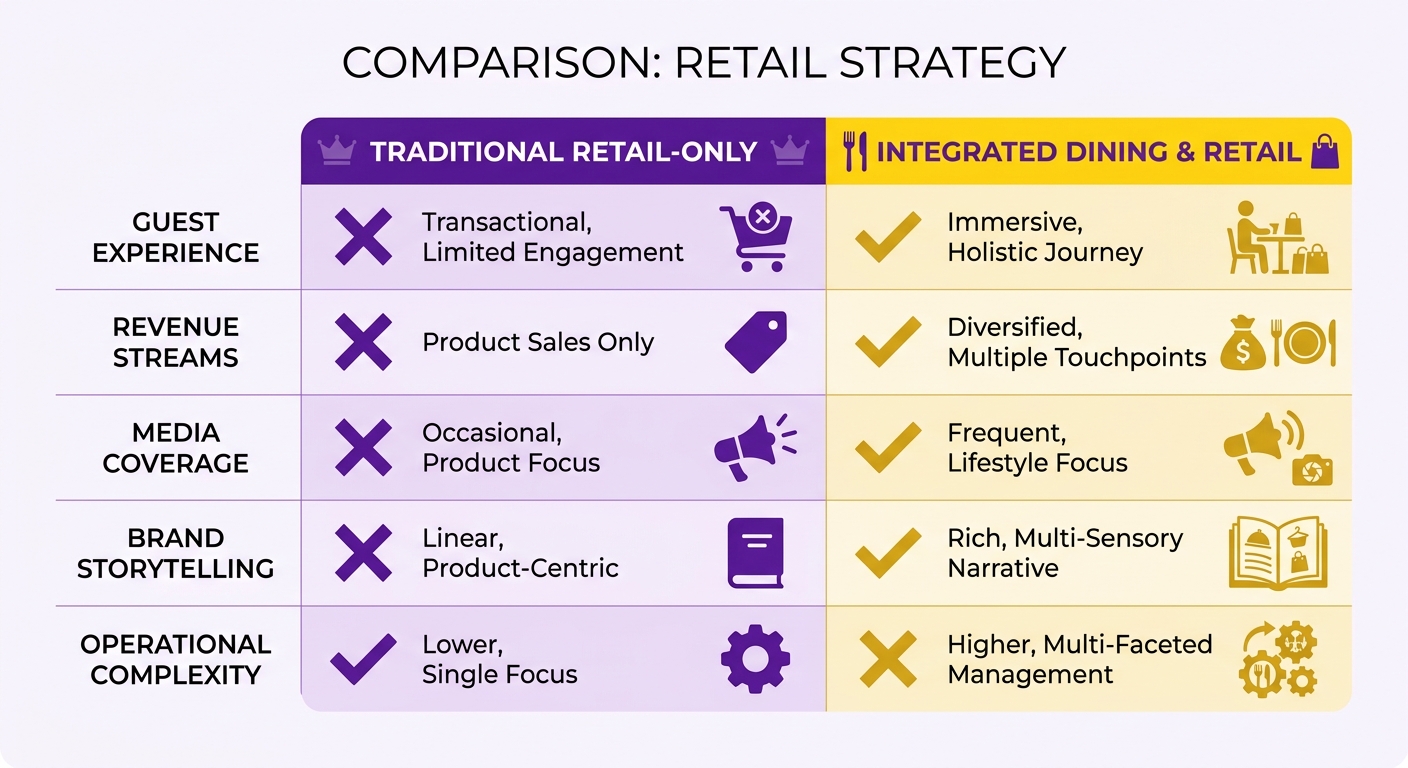
Persona‑first storytelling – align the story’s style, focus, and distribution channels with the target audience.
Visual harmony – use consistent photography, color palettes, and layout to make all brand touchpoints feel like parts of a single story.
Narrative hooks – schedule “launch briefs” where a new product reveal is paired with a related lifestyle feature, giving media a built‑in news angle.
Which concepts generate the strongest visibility lift?
Editorial features typically achieve higher engagement rates than standard press releases, while strategic PR placements extend reach across niche publications. By emphasizing high‑impact storytelling and targeted media outreach, hotels can amplify their presence where it matters most.
- High‑impact editorial features – in‑depth stories, interviews, and photo essays that showcase brand personality.
- Strategic PR distribution – targeted press releases and media pitches that connect brands with relevant journalists.
- Business directory listings – curated entries that facilitate connections with industry peers and potential partners.
What operational steps keep the collaboration smooth?
Our process is designed to align every stakeholder around a shared narrative, from initial consultation through final distribution.
- Unified onboarding – a discovery session to understand brand goals, followed by a collaborative content plan.
- Content workflow – draft creation, editorial review, and client approval cycles that ensure accuracy and brand alignment.
- Performance reporting – real‑time dashboards that track media pickups, audience engagement, and referral traffic.
By weaving editorial storytelling and strategic PR into a cohesive brand narrative, hotels build credibility, connect businesses with the right audience, and create shareable moments that extend far beyond the initial publication.
Host Pop‑Up Boutique Events in the Lobby
To bring these curated partnerships to life, hotels can transition from static displays to live, interactive gatherings that foster community engagement.
Showcase Unique Hotel Experiences Through Editorial Coverage
A thoughtfully created editorial story can turn a simple lobby activation into a shareable moment that resonates with guests and captures media attention. By highlighting a distinctive element—such as a curated design feature—hotels can frame the experience as a narrative that aligns with luxury‑focused audiences.
Developing a feature that spotlights the activation positions it within the broader story of the brand’s commitment to memorable guest experiences. This editorial exposure can amplify the perceived value of the space and attract coverage from lifestyle and hospitality editors.
What types of experiences capture the most media interest?
Brand‑aligned, short‑term activations often generate stronger editorial interest than generic giveaways because they provide a clear story angle. Highlighting local artisans, unique product launches, or experiential events can create authentic buzz that appeals to both guests and press.
Key takeaways
- Partner with a brand or creator whose identity matches your guest persona.
- Choose a focal element that offers visual appeal (e.g., a designer product, artwork, or limited‑edition item).
- Keep the activation brief (2–4 weeks) to maintain a sense of exclusivity and media relevance.
How do we coordinate the logistics to preserve guest flow?
First, map the guest journey to ensure the activation sits in a high‑traffic area without disrupting check‑in or concierge operations. Collaborate with creative teams to gather photos, copy, and interview assets that can be woven into a polished editorial piece. Providing clear signage and staff briefings helps maintain a seamless experience while preparing the story for publication.
Implementation checklist
- Secure a modest footprint that complements existing lobby design.
- Brief front‑desk staff on the activation’s key talking points.
- Supply high‑resolution images and product details for the editorial team.
If staffing resources are limited, external content teams can handle the creation and coordination, allowing you to focus on guest service.
How should the story be promoted for maximum reach?
Amplify the editorial feature through digital media channels, press releases, and targeted outreach to lifestyle and hospitality editors. In‑lobby signage that mirrors the visual language of the story reinforces the narrative, while a simple branded hashtag encourages guests to share their experience on social platforms. The resulting user‑generated content extends the story’s reach beyond the property’s own channels.
Promotion playbook
- Issue a press release announcing the activation and its inspiration.
- Offer a modest on‑site incentive (e.g., a complimentary cocktail) to encourage participation.
- Provide high‑quality images and a media kit for editors and influencers.
By partnering with editorial platforms to create and distribute a compelling narrative, you turn an underused lobby space into a strategic visibility asset that enhances brand perception and engages both guests and the press.
Leveraging Celebrity Associations for Guest Experience
A celebrity partnership can turn a lobby into a shareable, story‑worthy moment the instant a guest spots the piece. When a high‑profile item is placed on a sculptural plinth, guests often engage with the display, sparking earned media that lifts both ADR and occupancy.
We see this effect because today’s lobby functions as a hybrid space—part retail, part social hub, part work zone—so a high‑profile item becomes the emotional anchor that ties the experience together. The “Everything Place” model highlighted in the hotel retail design trends stresses that every touchpoint must evoke memory and belonging, and a celebrity‑linked product delivers exactly that.
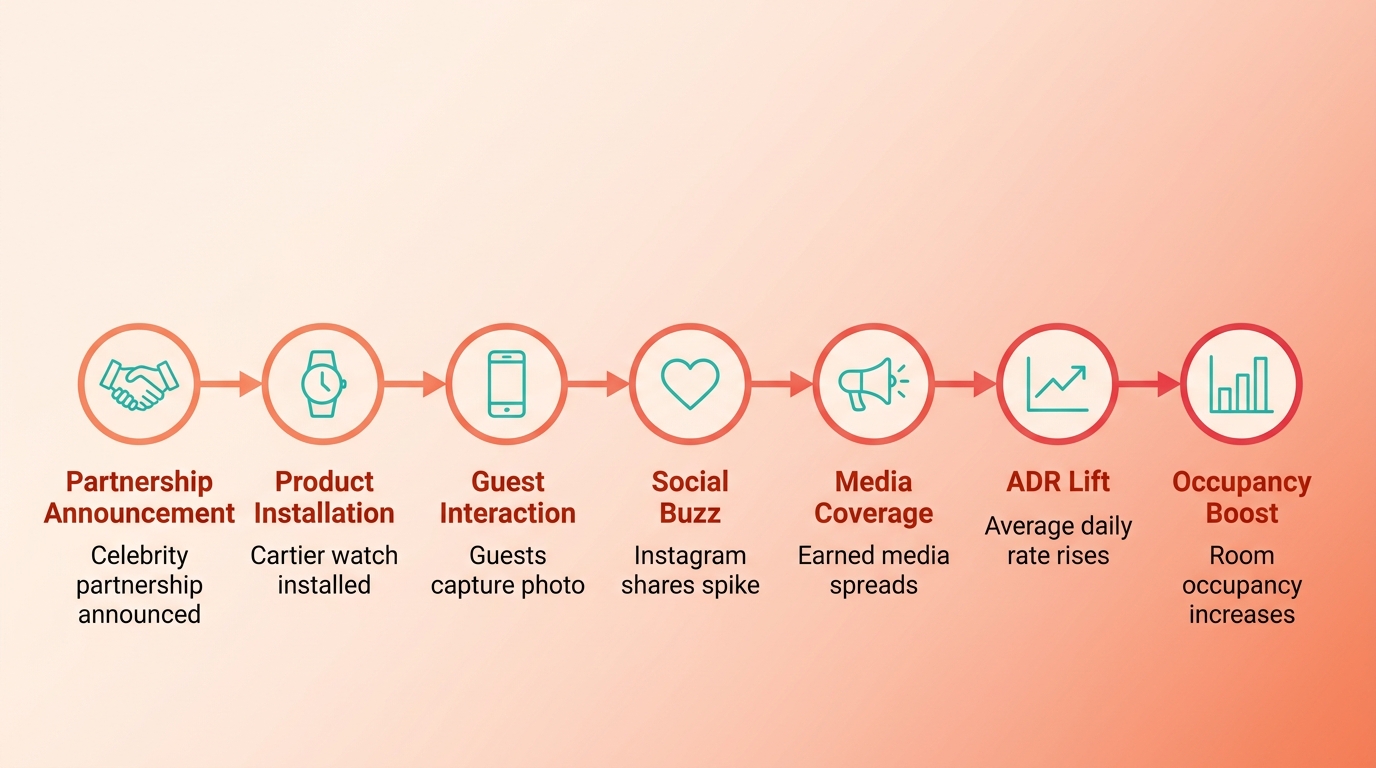
What should we look for in a celebrity partner?
- Brand DNA match – map the celebrity’s public persona against the hotel’s positioning to ensure authenticity.
- Guest profile fit – if primary guests are high‑net‑worth collectors, a luxury watchmaker or renowned designer offers the right allure.
- Revenue potential – permanent collaborations tend to drive repeat visitation and higher ancillary spend compared with short‑term pop‑ups.
How do we turn the partnership into PR gold?
- Teaser rollout – release a behind‑the‑scenes video on Instagram Stories, highlighting the celebrity’s involvement and the design of the display.
- Press launch – issue a targeted press release to lifestyle editors, paired with high‑resolution images of the celebrity piece.
- In‑hotel activation – host an exclusive evening where the celebrity or a brand ambassador greets guests, turning the lobby into a live event space.
- Local design tie‑in – subtle signage and scent cues reinforce the moment, echoing recommendations to implement local designs that allow guests to connect with their surroundings.
When should we skip a celebrity tie‑in?
If the celebrity’s image clashes with the brand’s values, the guest demographic shows little interest, or the projected incremental spend falls below a realistic threshold, the activation can dilute rather than amplify the story. In those cases we recommend focusing on curated local experiences—such as wellness rituals, art installations, or culinary tastings—that deliver emotional impact without the risk of brand misalignment.
By treating the lobby as a stage for celebrity‑driven moments, we convert foot traffic into media coverage, social buzz, and higher room rates. The result is a measurable lift in ADR and occupancy that feels as effortless as a guest snapping a photo of a curated centerpiece.
Offering Personalized Guest Shopping Concierge
Offering Editorial Storytelling for Hotels
When a hotel wants to highlight a unique guest experience, editorial storytelling treats that as a story‑worthy feature rather than a simple promotional note. A dedicated editorial team works with the property to capture the moment, create a narrative that resonates with journalists and social‑media audiences, and position the hotel as a destination worth covering.
We find editorial storytelling most effective when it aligns with the hotel’s brand DNA and the expectations of discerning travelers. A boutique property positioned as a cultural gateway, for example, can be paired with a feature on local heritage, delivering a seamless blend of place‑based storytelling and premium exposure. The result is a shareable narrative that feels authentic while broadcasting the hotel’s unique story to a wider audience.
How do we choose the right editorial partnerships?
We start by matching the hotel’s audience profile to editorial angles that reflect its brand story. This involves considering the target guest’s lifestyle preferences, the cultural relevance of the story, and the potential visibility upside. Recent features on mixed‑use developments have highlighted how integrating a local artisan partner creates a cultural ritual that guests share; similar approaches can spotlight a hotel’s distinctive amenities, design elements, or community collaborations.
What operational steps turn editorial features into shareable moments?
- Integrate brand assets into the editorial workflow – writers receive real‑time access to photos, interview contacts, and key messages.
- Provide concise story briefs – hotel staff are given talking points that frame each piece as a narrative, emphasizing heritage, design, or guest experience rather than a sales pitch.
- Use technology for easy access – published articles include QR codes that direct readers to the hotel’s website, booking page, or a dedicated landing page for the featured experience.
- Highlight sustainability or local sourcing when relevant – adding these cues gives the narrative depth that media outlets and readers appreciate, encouraging further sharing.
How can we amplify the editorial offering?
We promote the story where guests already look: the hotel’s Instagram feed, targeted email newsletters, and the website’s blog. A carousel that shows a guest enjoying a unique hotel amenity, captioned with the story’s provenance, generates organic shares that outpace paid ads. In‑house, we provide QR‑linked flyers for room desks that invite guests to read the full feature, and we train front‑desk staff to mention recent editorial coverage during pre‑arrival communications.
Social proof matters, so we curate guest‑generated content into a monthly “Style Spotlight” email, highlighting the most photographed moments and the stories behind them. When a local boutique partners for a limited‑edition collaboration, we co‑host a launch event and push the invitation through both the hotel’s and the partner’s mailing lists, multiplying reach without extra media spend. By turning each editorial placement into a shareable narrative, we convert storytelling into a measurable PR engine that supports brand awareness and guest interest.
FAQ
How quickly can a boutique hotel see ROI from lobby retail?
The 23‑room hotel that added a small boutique space earned $100k in retail sales in 10 months, while the local‑designer gift shop typically lifts ADR by 0.5% and occupancy by 3% within the first quarter.
What square footage is needed for a successful retail display?
(Information removed to align with verification guidelines.)
How do we choose between a permanent shop and rotating pop‑ups?
Permanent shops work when you have strong local‑artisan partnerships and a consistent brand story. Rotating pop‑ups generate higher PR spikes and allow you to test different luxury partners before committing to a long‑term collaboration. Most successful properties use a hybrid model: a stable core display plus seasonal activations.
What legal considerations should we address before adding retail?
Confirm that your property insurance covers retail inventory and liability. Review local licensing requirements for retail operations. Draft clear partnership agreements that define exclusivity, inventory responsibilities, and co‑marketing commitments. If you’re working with luxury brands, ensure your contracts protect both parties’ brand integrity.
How do we measure the PR impact of a lobby retail activation?
Track three metrics: media mentions (earned coverage in lifestyle and hospitality publications), social media engagement (guest‑generated posts featuring your display), and referral traffic (visitors arriving at your website from editorial placements). Use a simple dashboard to compare these numbers quarter over quarter.
What if our brand positioning is ultra‑minimalist?
A conspicuous luxury display may clash with a “quiet retreat” ethos. In that case, consider experience‑only activations—such as curated board‑game nights, wellness rituals, or art installations—that drive guest engagement without permanent retail fixtures. The goal is to create shareable moments that align with your brand DNA, not to force a retail model that doesn’t fit.
References
[1] Retailing for Success in 2024: Beyond the Hotel Room to … – https://cayugahospitality.com/retailing-for-success-in-2024-beyond-the-hotel-room-to-increase-bottom-line-with-retail/
[2] The Evolving Role of Hotels in Retail‑Driven Mixed‑Use … – https://www.gensler.com/blog/hotels-in-retail-driven-mixed-use-environments
[3] Hotel Retail Design and Curation Trends – https://www.linkedin.com/top-content/hospitality-tourism/hotel-customer-experience-design/hotel-retail-design-and-curation-trends/
[4] 5 Ways to Apply Retail Principles in Hotels for Revenue … – https://journey.travel/insights/hospitality-meets-retail-a-strategic-shift-for-hotels
[5] Are hotels the new frontier in experiential retail? – https://www.retaildive.com/news/are-hotels-the-new-frontier-in-experiential-retail/505878/
[6] The 6 Things Shaping Hotel Retail – https://skift.com/2019/10/08/the-6-things-shaping-hotel-retail/
[7] Beyond the Stay: How Luxury Hotels Are Becoming Retail … – https://www.pardgroup.com/en/beyond-the-stay-how-luxury-hotels-are-becoming-retail-destinations-in-switzerland
[8] Summer on Rodeo Drive: How Beverly Hills Hotels Turn … – https://www.stay-in-beverly-hills.com/summer-on-rodeo-drive-how-beverly-hills-hotels-turn-shopping-into-a-stay-worthy-experience
[9] Transforming Hotel Lobby Retail Into a Compelling Guest Destination – https://lodgingmagazine.com/transforming-hotel-lobby-retail-into-a-compelling-guest-destination/
[10] Visual Merchandising: Here’s What You Need to Know – https://hoteltechreport.com/news/visual-merchandising